
If you have ever spotted a spider in the corner of the ceiling or watched one dart across the floor late at night, you have probably asked the same question most people do: are house spiders dangerous?
The good news is that, in most cases, the answer is no.
Most spiders found inside homes are more unsettling than harmful. They may leave behind cobwebs, show up in basements or closets, and make a room feel a little less comfortable, but the average house spider is not considered a serious threat to people. In fact, many of them quietly help by catching flies, mosquitoes, ants, and other small insects indoors.
Still, not every spider should be treated the same way. A few species can be medically important, which is why it helps to know the difference between a harmless house spider and one that deserves more caution.
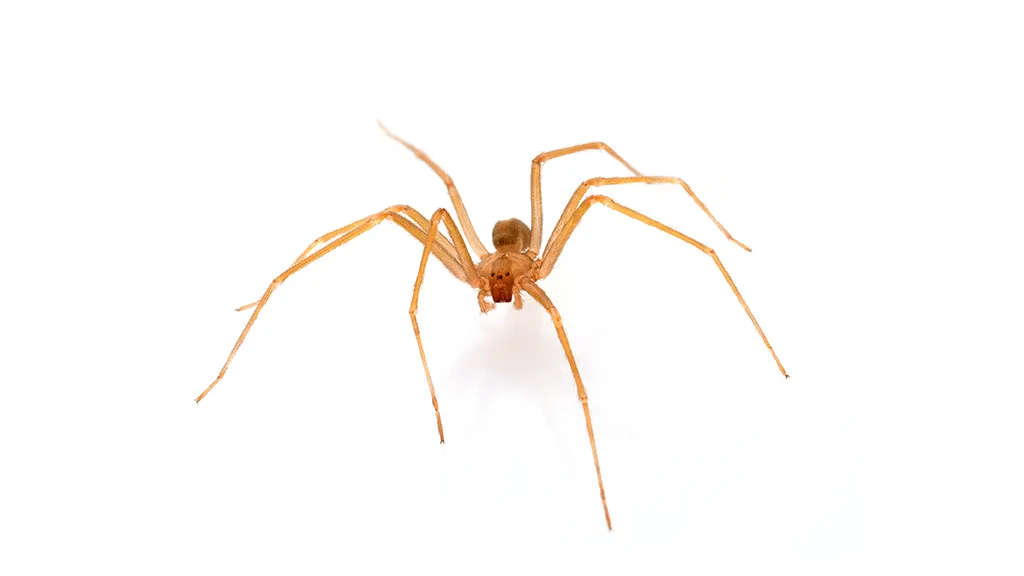
Are House Spiders Dangerous?
For most homes, house spiders are not dangerous to humans. They are usually shy, non-aggressive, and far more interested in trapped insects than in people. Bites are uncommon, and when they do happen, they are often the result of a spider being pressed against skin or accidentally disturbed.
That said, “not dangerous” does not always mean “welcome.” Spiders can still be a nuisance. Their webs collect dust, corners start to look neglected, and finding several spiders in one area often signals that other insects are present too.
So while most house spiders are harmless, a growing spider problem can still be worth addressing.
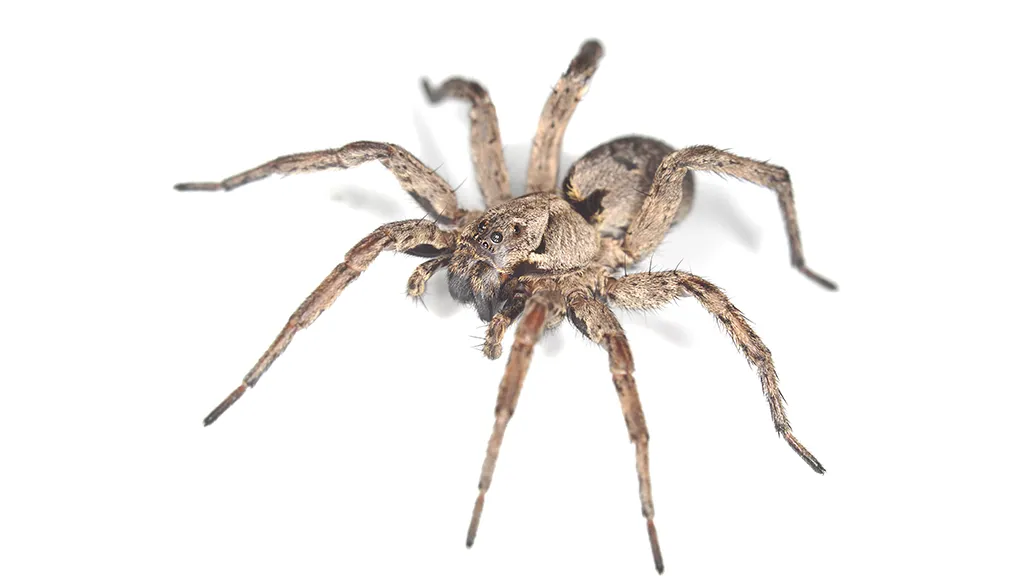
What Is a Common House Spider?
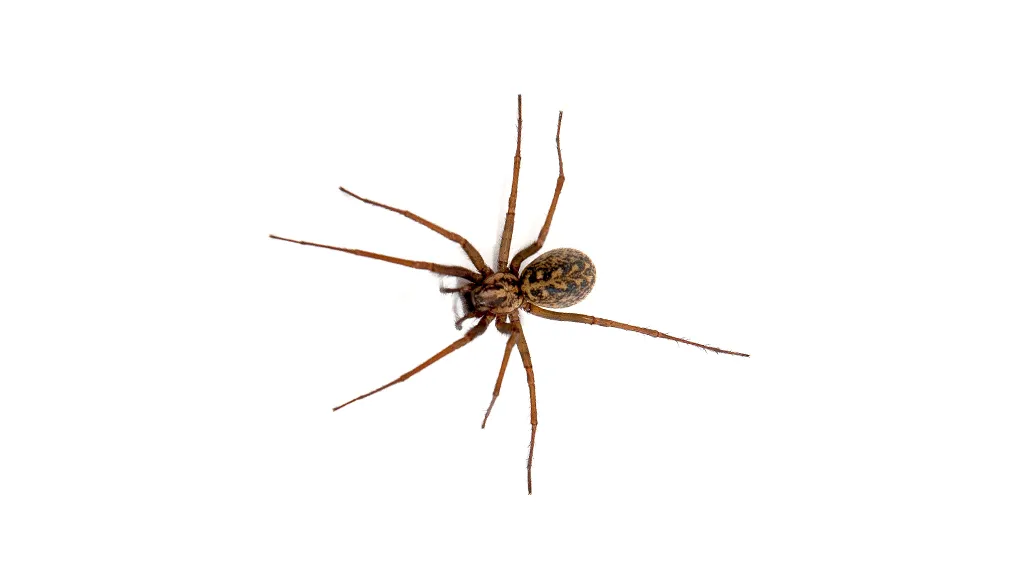
The common house spider is one of the spiders people see most often indoors. It is small, usually brown, tan, or gray, with thin legs and a rounded abdomen. Females are often larger than males, though both are relatively small compared with many outdoor spider species.
These spiders are well adapted to indoor life. They build irregular, tangled webs in quiet places such as:
- ceiling corners
- basements
- attics
- closets
- garages
- window frames
- under shelves or furniture
They prefer spaces that stay undisturbed and offer a steady supply of small insects. Once they find a good spot, they may remain there for a long time without attracting much attention.
Why Do House Spiders Live Indoors?
Spiders come indoors for the same reasons many pests do: shelter, warmth, and food.
A house gives them plenty of protected hiding spots, especially in areas that people do not clean or disturb very often. Cracks in foundations, gaps around doors, damaged window screens, and openings in siding make it easy for spiders to get inside.
But the biggest reason they stay is simple: food.
House spiders feed on small insects such as flies, mosquitoes, ants, and gnats. If spiders are sticking around, it often means your home is providing enough insect activity to support them.
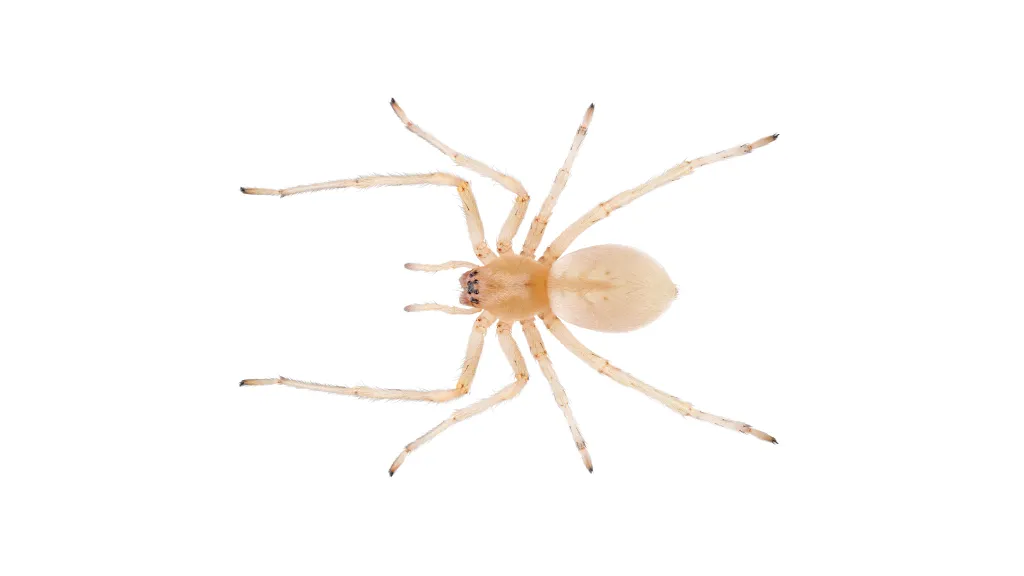
Do House Spiders Bite?
Yes, house spiders can bite, but it is uncommon.
Most species would rather retreat than bite. They do not seek out humans, and they do not view us as prey. A bite usually happens only if the spider feels trapped, crushed, or directly threatened.
For common house spiders, bites are generally not considered medically significant. Some people may notice minor irritation, redness, or localized discomfort, while others may not feel much at all.
If a bite causes severe pain, spreading redness, muscle cramps, fever, or other unusual symptoms, medical attention is the safest next step.
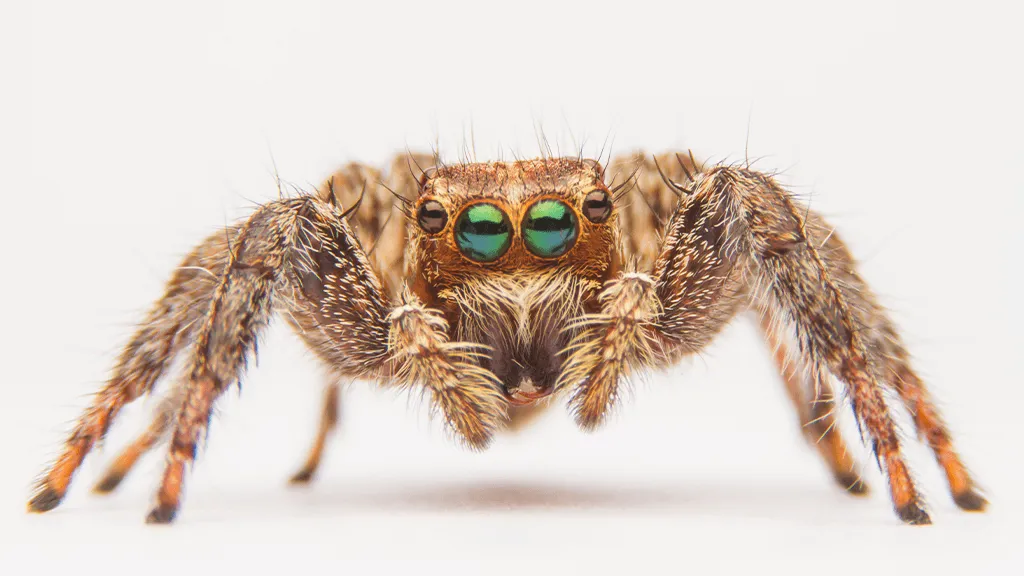
Common House Spiders That Are Usually Harmless
Many of the spiders found inside homes fall into the low-risk category. These include:
Common House Spiders
These are the classic web-building spiders found in corners, closets, and basements. They are messy-web builders and are mostly considered nuisance pests rather than dangerous ones.
Cellar Spiders
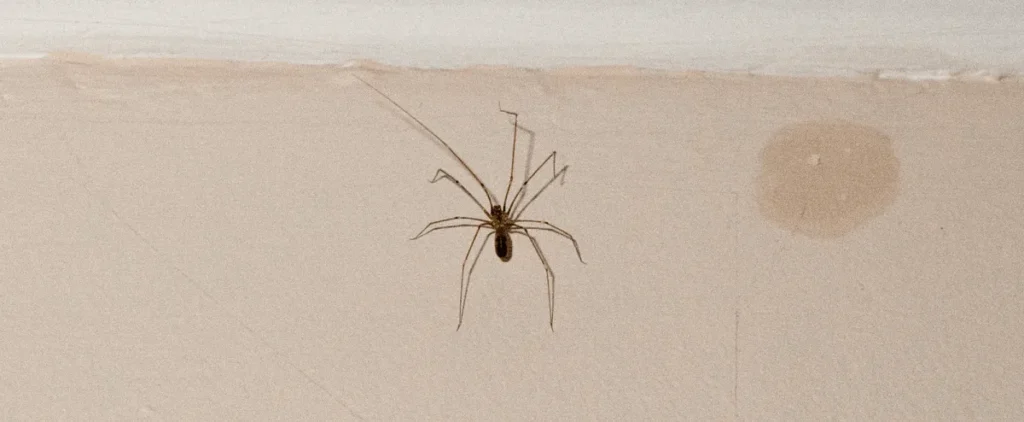
Often called “daddy longlegs,” cellar spiders have very long, delicate legs and tend to live in basements, garages, and ceiling corners. They are not considered dangerous to humans.
Jumping Spiders
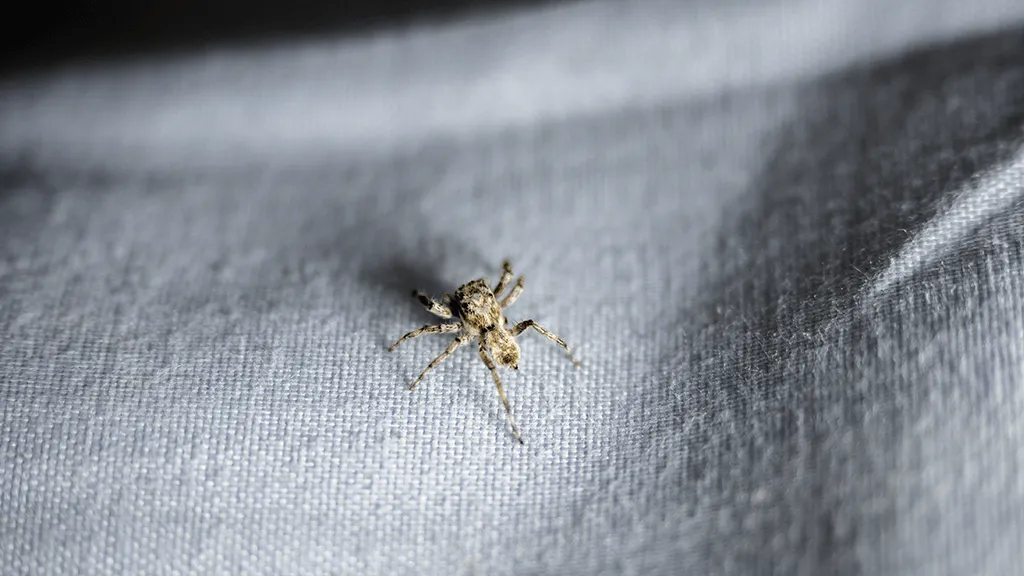
Small, alert, and quick-moving, jumping spiders usually do not build large webs. They look more active than many other spiders, but they are generally harmless and rarely bite.
Wolf Spiders
Wolf spiders are larger and more intimidating in appearance, which can make them seem more dangerous than they are. They do not rely on webs to catch prey and are not usually a serious threat to people, though they may bite if handled.
Sac Spiders and Other Indoor Hunters
Some spiders wander rather than sit in webs. These may occasionally bite if disturbed, but most are not considered medically important.
Which House Spiders Can Be Dangerous?
When people ask, are house spiders dangerous, they are often really asking about the few species that can cause more serious reactions.
Black Widow Spiders
Black widows are among the spiders homeowners should take seriously. They are often glossy black with a red marking on the abdomen, commonly described as an hourglass. They are usually timid and prefer hidden, undisturbed places, but their venom can cause significant symptoms.
Brown Recluse Spiders
Brown recluse spiders are another species associated with medically important bites. They are often identified by a violin-shaped marking, though spider identification is not always easy in real life. These spiders prefer dry, quiet spaces such as storage areas, woodpiles, and cluttered corners.
If you suspect a black widow or brown recluse bite, seek medical care promptly. It is better to be cautious than to guess wrong.
Why You Might Be Seeing More Spiders in the House
A spider here and there is normal. But if you are seeing them often, there is usually a reason.
Common causes include:
1. More Indoor Insects
Spiders stay where food is available. If flies, ants, moths, or gnats are active inside, spiders are likely to follow.
2. Quiet, Undisturbed Storage Areas
Basements, attics, closets, garages, and sheds are ideal spider habitat because they are dry, sheltered, and rarely disturbed.
3. Easy Entry Points
Small openings around windows, doors, vents, siding, and foundations make it easy for spiders to move indoors.
4. Web-Friendly Corners
Spiders love corners, beams, eaves, and tight spaces where webs can stay intact.
How Long Do House Spiders Live?
Many house spiders live around one to two years, though some may live longer in stable indoor conditions. Females often outlive males, especially when they have reliable shelter and food.
Because spiders can lay egg sacs that hatch into many spiderlings, a small spider problem can turn into a larger one over time if conditions stay favorable.
How to Keep House Spiders Out of Your Home
If you do not want to share your home with spiders, the best approach is prevention.
Seal Entry Points
Use silicone-based caulk or another appropriate sealant to close cracks and small gaps around the home. Pay special attention to windows, doors, siding, vents, and foundations.
Reduce Clutter
Spiders love undisturbed storage. Keeping basements, garages, closets, and attics cleaner and less crowded removes hiding spots.
Remove Webs Regularly
Vacuuming or sweeping away webs helps discourage spiders from settling in the same places.
Check Shoes and Clothing
If items have been sitting in a garage, basement, or storage area, give them a quick shake before wearing them.
Control Other Insects
Since spiders follow food, reducing indoor insect activity is one of the most effective ways to reduce spiders too.
When Should You Call a Professional?
A few spiders are usually not a major concern. But it may be time to call a pest control professional if:
- you are seeing spiders regularly in multiple rooms
- webs keep returning quickly
- you notice egg sacs
- you suspect black widow or brown recluse activity
- you are also dealing with other insect pests
A spider problem is often part of a bigger pest issue, and treating both at once usually works better than focusing on spiders alone.
Final Thoughts
So, are house spiders dangerous? Most of the time, no. The spiders commonly found in homes are usually harmless, reluctant to bite, and more interested in catching insects than bothering people.
Still, harmless does not always mean harmless-looking. Spiders can be unnerving, and their presence often points to hidden insect activity, clutter, or easy entry points around the home. Knowing which spiders are common, which ones deserve caution, and how to make your home less inviting can go a long way toward keeping things under control.
FAQ
Are common house spiders dangerous to humans?
Usually not. Most common house spiders are considered harmless to humans and are more of a nuisance than a health threat.
Do house spiders bite people at night?
This is very uncommon. House spiders generally avoid humans and do not bite unless they feel trapped or threatened.
What happens if a house spider bites you?
Most bites from common house spiders cause mild symptoms, if any. If symptoms are severe or unusual, seek medical attention.
Are black house spiders poisonous?
Spiders are venomous rather than poisonous. For most common house spiders, the venom is too weak to cause serious harm to humans.
Which house spiders should I worry about?
Black widow spiders and brown recluse spiders are the main indoor spiders that may cause medically important bites in some regions.
Why do I suddenly have so many spiders in my house?
A rise in spider activity often means there are more insects indoors, along with quiet spaces and easy entry points for spiders to settle in.
Should I leave house spiders alone?
That depends on your comfort level. A single harmless spider may help reduce other pests, but frequent spider activity, webs, or possible dangerous species should be addressed.