If you’ve ever spotted a spider tucked into the corner of your bathroom or basement, you’ve probably wondered the same thing: what do house spiders eat all day? They sit so still, sometimes for hours, that it can seem like they’re living on dust and good intentions.
But house spiders are not idle little tenants. They are hunters. And in most homes, they are feeding on the insects and tiny arthropods that most people would rather not notice at all.
The short answer is simple: house spiders mainly eat small insects and other tiny prey, including flies, mosquitoes, moths, ants, silverfish, fleas, and sometimes even other spiders. What makes them interesting is not just what they eat, but how they find food and why your home gives them everything they need.
Let’s take a closer look.
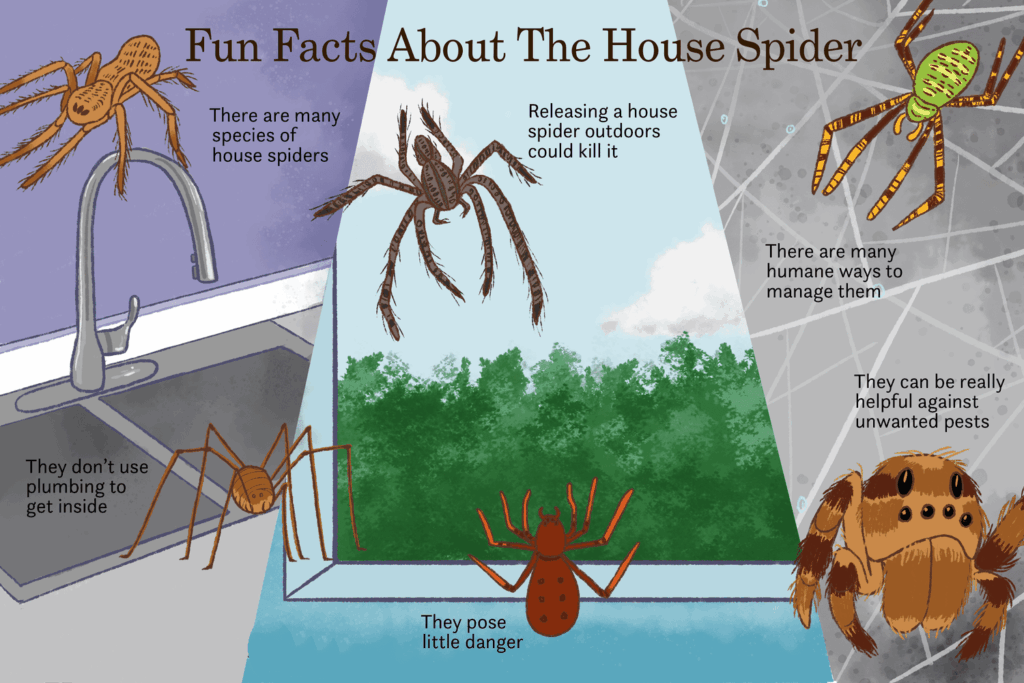
What Do House Spiders Eat in a Typical Home?
The diet of a common house spider is mostly made up of whatever small prey is available indoors. In most cases, that means soft-bodied or manageable insects that fly, crawl, or wander into webs.
Common prey for house spiders includes:
- Flies
- Mosquitoes
- Moths
- Ants
- Cockroaches
- Silverfish
- Fleas
- Beetles
- Aphids
- Small centipedes
- Mites
- Occasionally other spiders
So when people ask what do house spiders eat, the most accurate answer is this: they eat the same pests that are already living in your home.
That is one reason spiders often show up in bathrooms, basements, attics, laundry rooms, garages, and quiet corners near windows or lights. Those areas tend to attract insects, and insects attract spiders.
Why House Spiders Like Living Indoors
A house spider is not usually wandering through your home by accident. Many species that live inside human buildings are well adapted to indoor life. In fact, some do much better indoors than outside.
Why? Because your home gives them three things they need:
1. A steady food source
Even very clean homes contain tiny insects, mites, and other small creatures. You may not notice them, but spiders do.
2. Shelter
Corners, ceiling edges, behind furniture, and undisturbed storage spaces give spiders safe places to rest and build webs.
3. Moisture and insect traffic
Bathrooms, kitchens, basements, and window areas often attract prey. Where the bugs go, the spiders follow.
There’s also a hidden indoor food chain that most people never think about. Skin flakes, crumbs, humidity, and clutter can support mites and other tiny organisms. Those, in turn, feed larger insects or arthropods, and spiders sit higher up in that miniature ecosystem.
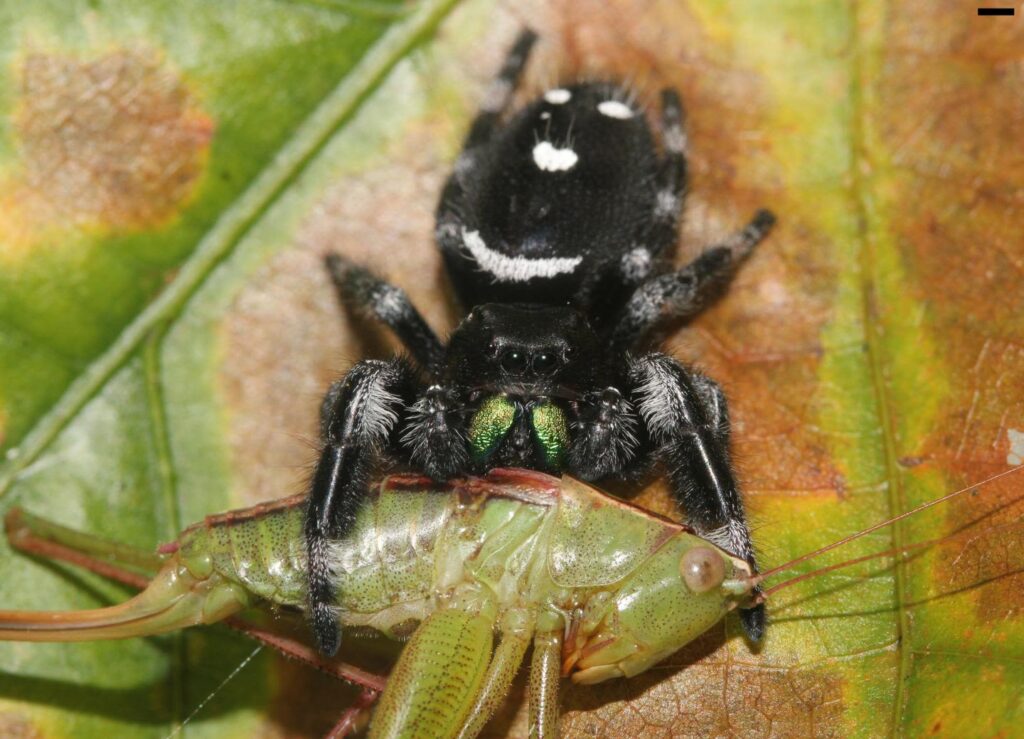
What Do House Spiders Hunt For?
House spiders are not all hunting the same way. Some build webs and wait. Others stalk, chase, or ambush. But either way, they are looking for living prey they can overpower.
They are especially drawn to:
- Insects attracted to light
- Bugs moving along baseboards or walls
- Small prey near damp areas
- Insects caught in corners, cracks, or webs
Moths are a classic example. They are often pulled toward lamps, nightlights, and windows, which makes them easy targets for web-building spiders. Flies and mosquitoes can meet the same fate. Crawling insects such as ants and silverfish may be caught if they cross the wrong corner at the wrong time.
That is why a spider near a bathroom light or in a basement corner may appear to have chosen its hunting ground very carefully. In a way, it has.
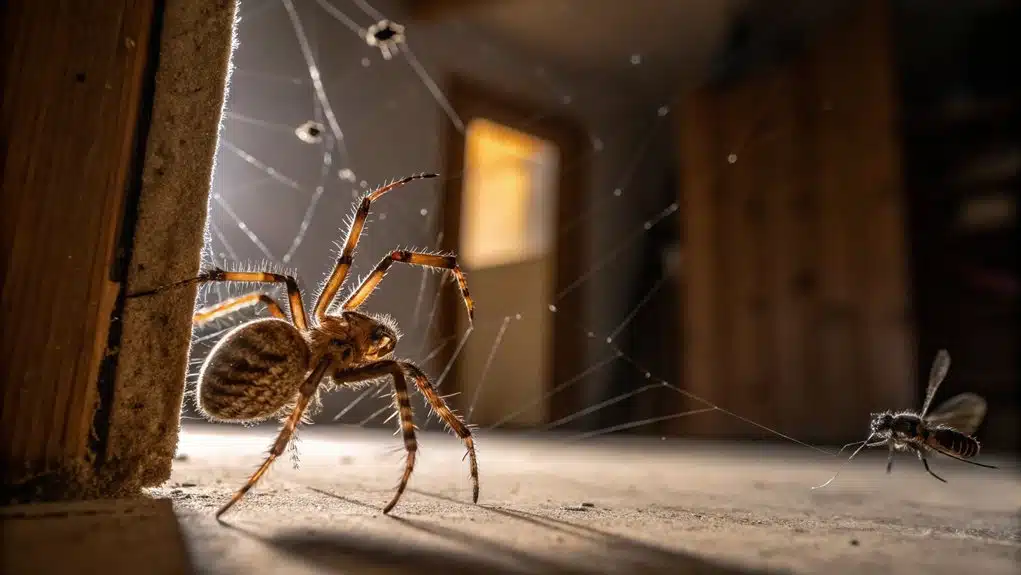
How Do House Spiders Catch Their Food?
When discussing what do house spiders eat, it helps to understand that spiders do not chew food the way mammals do. They capture prey, immobilize it, and then feed in a very different way.
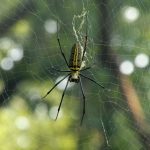
Web-building spiders
Many house spiders spin webs to trap insects. Once an insect becomes tangled, the spider rushes over, bites it, injects venom, and often wraps it in silk. The venom and digestive enzymes begin breaking down the prey internally.
Hunting spiders
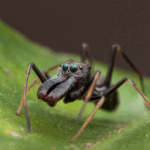
Some spiders do not rely on webs at all. Species such as jumping spiders and wolf spiders actively hunt. They stalk or ambush prey and attack directly.
How spiders actually eat
Spiders cannot chew solid food. Instead, they use digestive enzymes to liquefy the inside of their prey and then consume the nutrients. What remains is often just an empty exoskeleton.
It’s a bit unsettling when you think about it too closely, but biologically it is very efficient.
Do House Spiders Eat Dead Bugs?
Usually, spiders prefer live prey. Movement is what triggers the hunting response in many species. A dead insect placed in a web may be ignored, while a struggling live insect is quickly detected.
That’s because spiders are highly sensitive to vibration. A twitching fly or trapped moth sends clear signals through silk or across a surface. A motionless insect often does not.
So if you have ever wondered why a spider ignores a dead bug but reacts instantly to a live one, that is completely normal behavior.
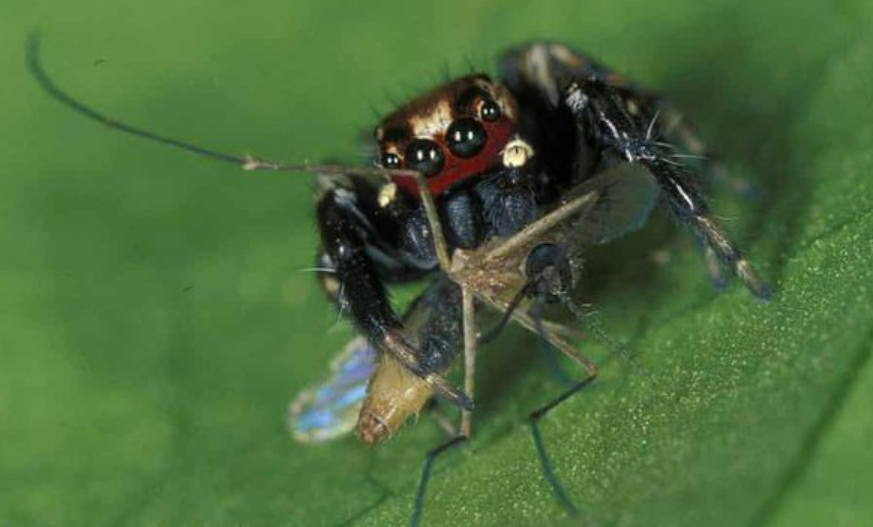
Do House Spiders Eat Specific Household Pests?
A lot of people search for what do house spiders eat because they want to know whether spiders help with certain pest problems. Sometimes they do, though not always enough to solve an infestation on their own.
Do spiders eat flies?
Yes. Flies are one of the most common foods for house spiders, especially for web-building species.
Do spiders eat mosquitoes?
Yes. Mosquitoes are common prey indoors, particularly near windows, lamps, and damp rooms.
Do spiders eat moths?
Yes. Moths are often attracted to light and can easily become trapped in webs.
Do spiders eat ants?
Yes, though ants are not always the easiest prey. If ants wander into a web or come within reach of a hunting spider, they may be eaten.
Do spiders eat silverfish?
Some do. Silverfish are common in damp, dark areas like basements, bathrooms, and attics, which also happen to be places where spiders often live.
Do spiders eat fleas?
Yes, spiders may eat fleas indoors or in nearby sheltered areas. But they are not a reliable fix for a serious flea problem.
Do spiders eat cockroaches?
Some house spiders will eat small roaches or roach nymphs, especially if they become trapped.
Do spiders eat bed bugs?
Sometimes, if the spider is large enough and the opportunity presents itself. But spiders do not control bed bug infestations in any meaningful way.
Do spiders eat woodlice?
Some spiders do, especially woodlouse spiders, which are known for feeding on them.
Do spiders eat other spiders?
Yes, occasionally. Some species will prey on other spiders, especially when food is scarce. Cannibalism does happen in the spider world.
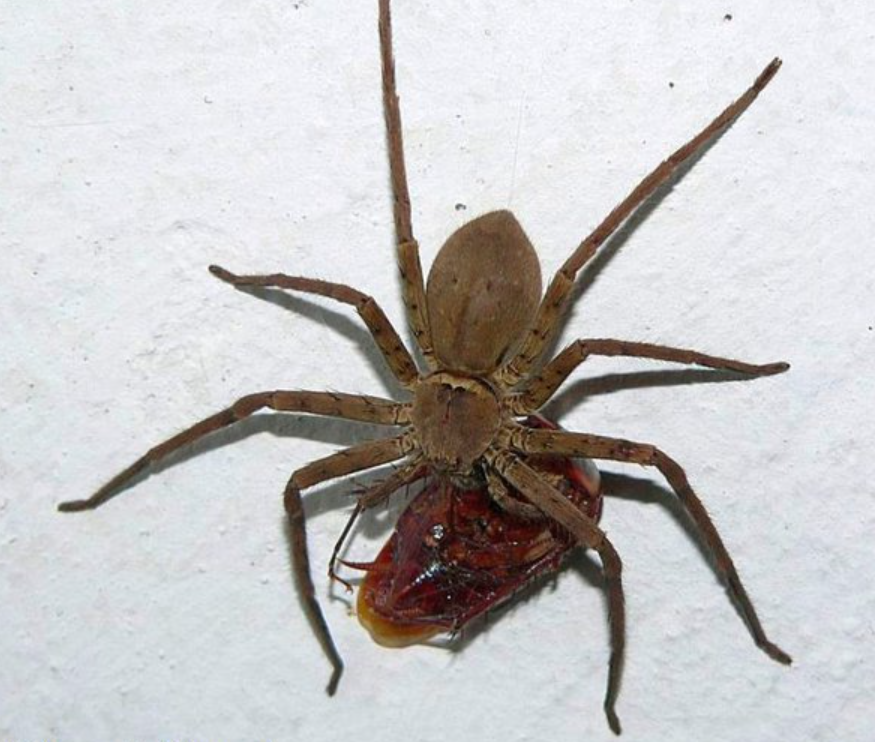
Are House Spiders Good for Pest Control?
In many cases, yes. House spiders act as a kind of natural pest control by reducing populations of flies, mosquitoes, moths, and other nuisance bugs.
That does not mean every spider in the house is welcome, and it definitely does not mean spiders can replace proper pest management if you have a real infestation. But their presence often indicates that they are feeding on insects you might otherwise be dealing with yourself.
Seen that way, a quiet spider in the corner is less of an invader and more of an unpaid exterminator.
If They Eat Bugs, Why Don’t I See Them Hunting?
This is one of the most interesting things about house spiders. They can seem motionless for long periods, but that does not mean they are inactive. Spiders are built for patience.
They conserve energy, wait in strategic places, and respond quickly when prey appears. Some can also survive for quite a while without food. Even if they do not eat every day, they are still well suited to indoor life.
So the spider in your basement corner may look like it is doing nothing, while in reality it is simply waiting for the next mosquito, moth, mite, or wandering insect to pass by.
What Attracts Spiders Into Your House?
If you want to understand why spiders are there, the answer usually comes back to food.
Spiders are attracted by:
- Indoor insect activity
- Warm, sheltered spaces
- Moisture-rich areas
- Cluttered storage zones
- Entry points such as cracks, gaps, and window frames
In other words, spiders follow the ecosystem. If there are bugs, there is a reason for spiders to stay.
That is also why reducing spider activity usually starts with reducing their food source. Fewer insects indoors means less reason for spiders to settle in.
How to Make Your Home Less Appealing to House Spiders
Even though spiders can be helpful, most people still prefer fewer of them indoors. The best way to discourage them is to make your home less attractive to the insects they feed on.
A few simple steps help:
- Keep food crumbs and spills cleaned up
- Reduce clutter in storage areas
- Vacuum corners, under furniture, and along baseboards
- Seal cracks around doors, windows, and walls
- Lower indoor moisture where possible
- Address insect issues early before they become larger problems
The goal is not just to remove spiders. It is to remove the conditions that support the tiny indoor food web they depend on.
Final Thoughts on What Do House Spiders Eat
So, what do house spiders eat?
Mostly, they eat the insects and tiny creatures already sharing your indoor space: flies, mosquitoes, moths, ants, silverfish, fleas, and other small prey. Some build webs and wait. Others hunt directly. All of them play a role in the quiet, hidden ecosystem of a home.
That does not mean you have to love them. But it does explain why they are there, why they choose certain corners, and why they can survive so well without being noticed until suddenly they are.
Once you understand what house spiders are actually hunting, they start to make a little more sense.
FAQ
What do house spiders eat most often?
House spiders most often eat flies, mosquitoes, moths, ants, silverfish, fleas, and other small insects found indoors.
Do house spiders eat dead insects?
Usually no. Most spiders prefer live prey because movement helps them detect and respond to it.
Do house spiders eat mosquitoes and flies?
Yes. Both mosquitoes and flies are common prey for many house spiders.
Do house spiders eat bed bugs?
They can, but not often enough to control a bed bug infestation. Professional treatment is still necessary for that problem.
Do house spiders help control pests?
Yes, to a degree. They can reduce the number of small insects in your home, especially flies, moths, and mosquitoes.
Why are spiders always in the bathroom or basement?
Bathrooms and basements tend to have moisture, shelter, and insect activity, which makes them good hunting spots for spiders.
Can house spiders survive without food for a long time?
Yes. Spiders can go for extended periods without eating, which is one reason they do well indoors.
What attracts house spiders into a home?
The main attraction is food. If your home has insects, moisture, warmth, and quiet corners, spiders are more likely to stay.