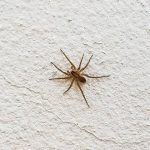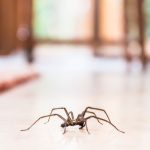
If you keep spotting small brown spiders in house corners, along baseboards, or near windows, you are definitely not alone. For many people, that first reaction is simple: What is that, and should I be worried? The good news is that most of the little brown spiders you find indoors are harmless. In fact, many of them quietly help by catching flies, mosquitoes, and other nuisance insects.
Still, “small brown spider” is a broad description. Quite a few different species fit that look, and some are easy to confuse with one another. A wolf spider may be mistaken for a grass spider. A harmless house spider may be mistaken for a brown recluse. And once a spider is moving across the floor, most of us are not exactly eager to kneel down and study its eye pattern.
This guide will help you identify the most common small brown spiders in house settings, especially in North America. We will look at what they look like, where they like to hide, and which ones deserve a little extra caution.
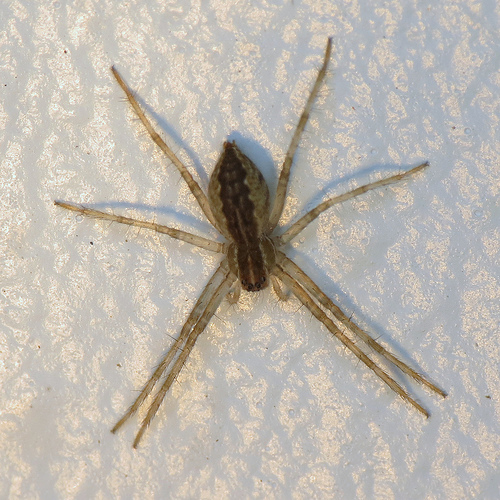
Why Are Small Brown Spiders in House Spaces So Common?
Spiders come indoors for the same reasons many other pests do: shelter, darkness, moisture, and food. A home gives them steady hiding places and a reliable supply of insects.
You are more likely to notice small brown spiders in house areas such as:
- wall corners with old cobwebs
- basements and crawlspaces
- garages and sheds
- window frames and doorways
- closets, storage boxes, and attics
- near plants, firewood, or clutter
Not all spiders build webs, either. Some are active hunters that wander at night, which is why you may suddenly see one crossing the bathroom floor or hallway.
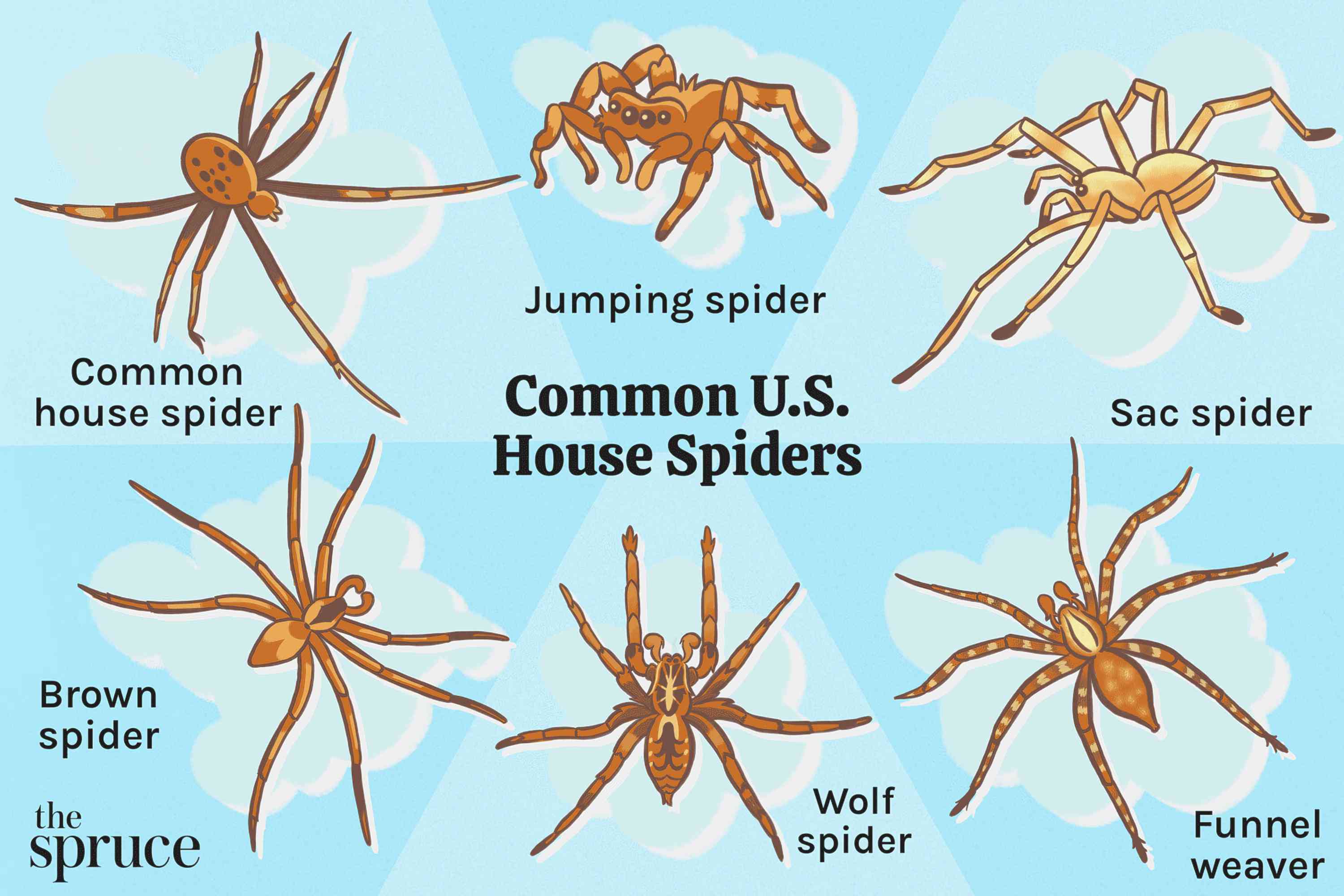
The Most Common Small Brown Spiders in House Areas
1. American House Spider
The American house spider is one of the most common indoor spiders in North America. It is small, dull brown, and often responsible for those dusty, tangled cobwebs you see in upper corners.
These spiders are easy to live with because they tend to stay put. They build irregular webs in quiet areas and wait for insects to get trapped. If your home has old-looking cobwebs in corners, this species is a likely suspect.
How to recognize it:
- very small body
- dull brown coloring
- dark markings on the abdomen
- messy, uneven cobwebs
Where you may find it:
Ceiling corners, behind furniture, around light fixtures, and in undisturbed rooms.
Should you worry?
Not really. They may bite if directly threatened, but their venom is minimal and not considered dangerous.
2. Cellar Spiders
Cellar spiders are often mistaken for daddy long-legs. They have grayish-yellow bodies and extremely long, delicate legs. While they may not always match the classic “small brown” look exactly, people often group them into the same category because of their pale brown or gray-brown tone.
These spiders love dark, damp places and are commonly seen hanging upside down in loose webs.
How to recognize it:
- tiny body with very long legs
- pale brown, grayish, or yellowish color
- loose web in corners or low-light areas
Where you may find it:
Basements, garages, cellars, storage rooms, and sometimes bathrooms.
Should you worry?
No. They are harmless and actually helpful because they eat other insects and even other spiders.
3. Jumping Spiders
Jumping spiders are small, active, and surprisingly curious-looking. Many are darker in color, but some brown varieties show up indoors and may be noticed on windowsills, walls, or near houseplants.
Unlike web-building spiders, they hunt by stalking and pouncing on prey. Their movement is quick and jerky, which makes them easier to notice.
How to recognize it:
- compact body
- short, sturdy legs
- alert movement
- often seen actively roaming rather than sitting in a web
Where you may find it:
Near windows, on sunny walls, around plants, or brought in on firewood.
Should you worry?
No. Bites are uncommon and usually mild, more like a small insect sting than a serious medical event.
4. Funnel Weavers and Grass Spiders
Funnel weavers, including grass spiders, are often brown and can easily be mistaken for wolf spiders at first glance. They usually have a more slender look and may show stripes on the cephalothorax, along with visible spinnerets at the rear.
These spiders build sheet-like webs with a funnel retreat where they hide until prey wanders by. Indoors, they may appear near windows, doorways, basements, or cluttered storage areas.
How to recognize it:
- brown or tan body
- striped cephalothorax
- narrow abdomen
- visible spinnerets
- funnel-shaped web nearby
Where you may find it:
Window wells, doorways, sheds, basements, and garages.
Should you worry?
Usually no. They may bite if handled or trapped, but they are not considered dangerous to people.
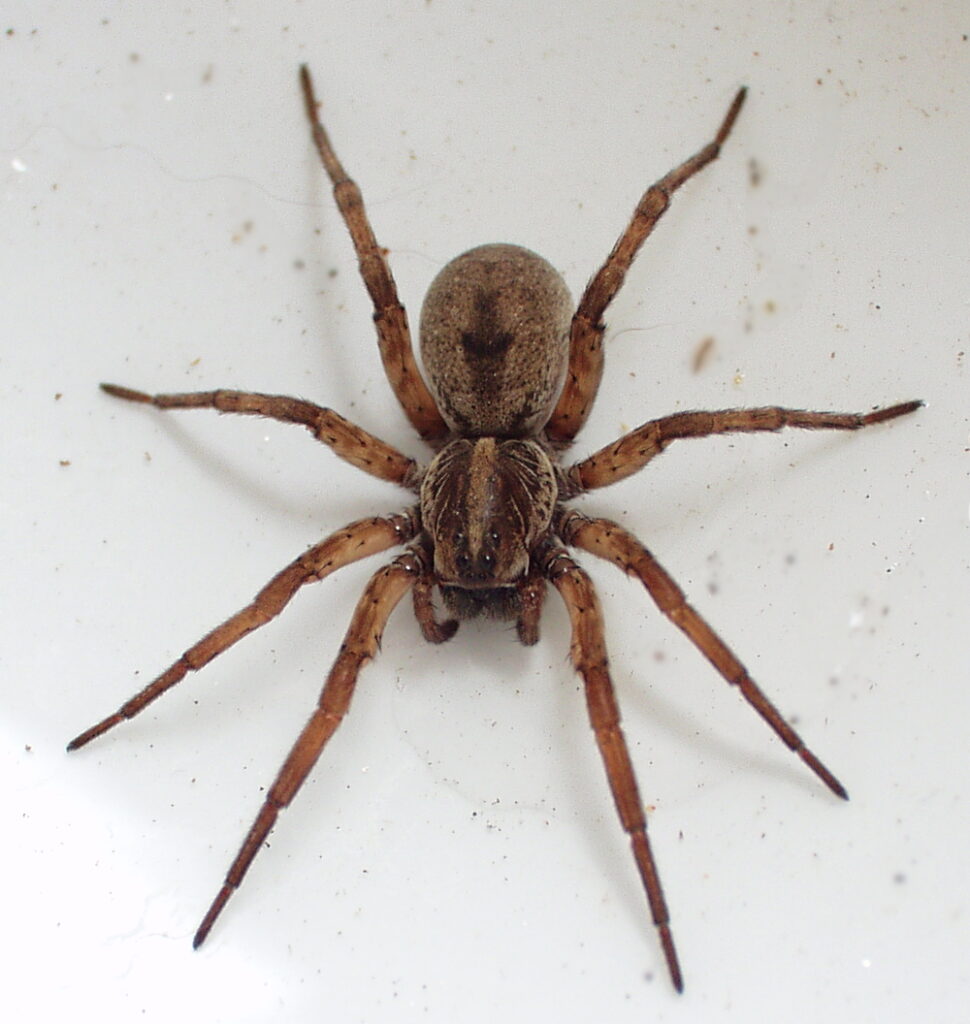
5. Wolf Spiders
Wolf spiders are one of the most commonly misidentified brown spiders. They are often larger than other indoor spiders, hairy, and fast-moving. Because they do not rely on webs to catch prey, they are usually spotted wandering on the floor.
They are primarily outdoor spiders, but they do enter homes from time to time, especially during seasonal changes.
How to recognize it:
- robust, hairy body
- brown, gray, or dark patterned coloring
- fast runner
- does not sit in a web
- often has a distinct stripe pattern
Where you may find it:
Ground-level rooms, garages, basements, entryways, and near clutter.
Should you worry?
Not usually. Their bite can hurt because of their size, but they are not considered medically dangerous.
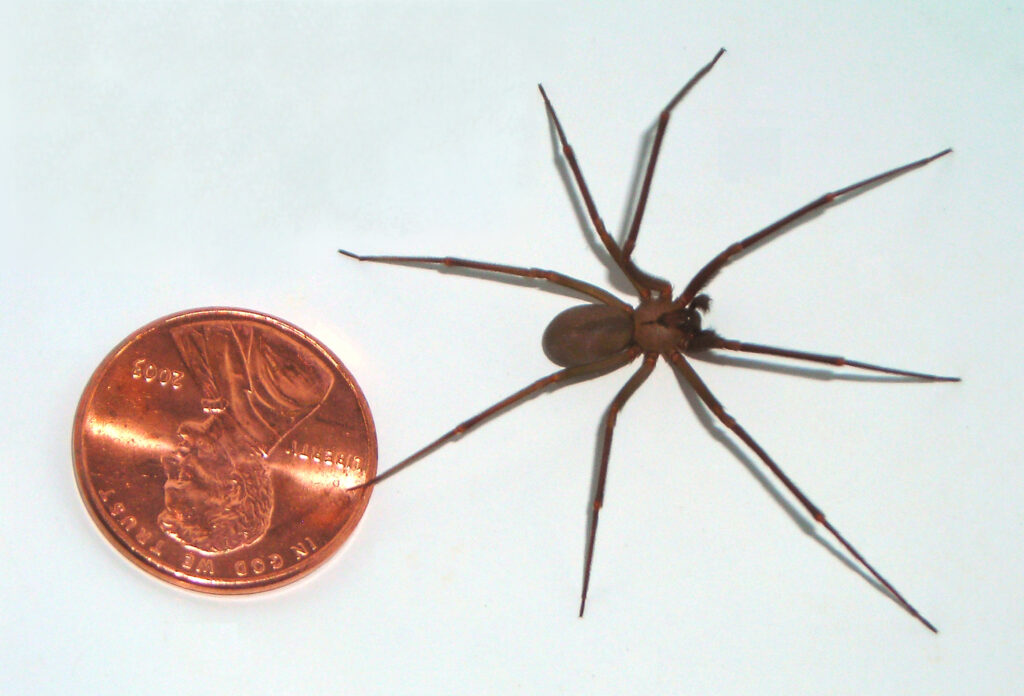
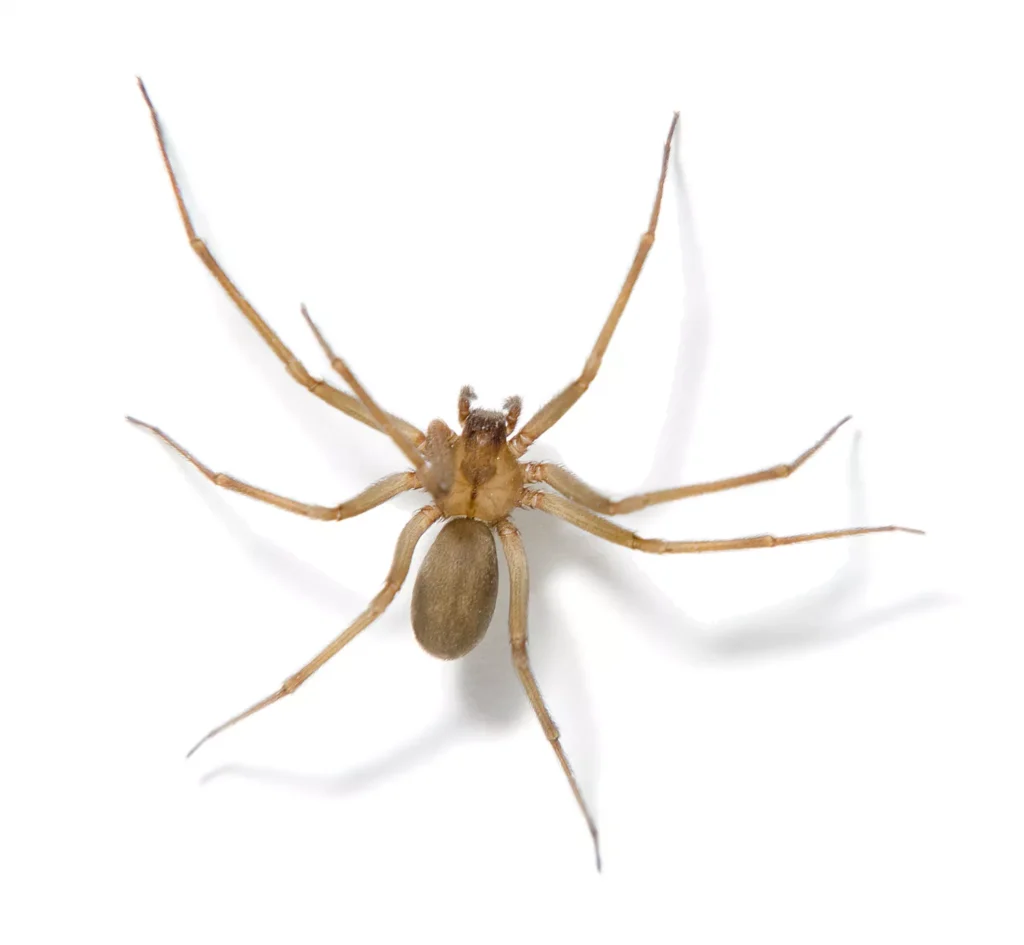
6. Brown Recluse
This is the brown spider most people worry about, and for good reason. The brown recluse is one of the few spiders in the United States that can cause medically significant bites. That said, it is also commonly over-identified. Not every small brown spider in house spaces is a brown recluse.
Brown recluse spiders are most common in the Midwest and southern United States. If you live outside those regions, a mystery brown spider is less likely to be one.
How to recognize it:
- light to medium brown body
- slender legs
- violin-shaped marking on the cephalothorax
- fairly plain, unpatterned abdomen
- prefers hidden, undisturbed spaces
Where you may find it:
Closets, attics, stored clothing, cardboard boxes, shoes, firewood, and storage rooms.
Should you worry?
Yes, this is the one to take seriously. Bites are uncommon, but they can happen when the spider is trapped against skin, often while dressing or cleaning storage areas.
How to Tell Small Brown Spiders Apart
When trying to identify small brown spiders in house settings, a few details matter more than overall color.
Look at the Web
Messy cobwebs often point to house spiders. Funnel-shaped webs suggest funnel weavers or grass spiders. No web at all may mean you are dealing with a hunter like a wolf spider or jumping spider.
Notice the Legs
Long, thin legs often suggest cellar spiders. Thicker, hairier legs may point toward wolf spiders. Slender legs with a plain body may raise the possibility of a brown recluse.
Check the Body Shape
A small rounded abdomen is common in house spiders. A narrow, plain abdomen with a violin mark is more consistent with brown recluse identification. Grass spiders tend to look more elongated.
Think About Location
A spider in a damp basement corner may be very different from one found in a dry closet or inside a shoe. Habitat gives useful clues.
Are Small Brown Spiders in House Areas Dangerous?
Most of the time, no. The majority of indoor spiders are shy, non-aggressive, and more interested in insects than people. Many bites happen only when a spider is trapped, pressed, or handled.
In general:
- American house spiders: harmless
- Cellar spiders: harmless
- Jumping spiders: harmless
- Funnel weavers / grass spiders: low risk
- Wolf spiders: painful bite possible, but not dangerous
- Brown recluse: the main one to take seriously
If you are ever bitten and symptoms become severe, or you suspect a brown recluse bite, seek medical care promptly.
How to Reduce Small Brown Spiders in House Naturally
You do not always need harsh treatment to reduce indoor spiders. Small changes around the home can make a big difference.
Cut Down Their Food Source
If insects are getting inside, spiders will follow. Reducing flies, mosquitoes, moths, and other prey often lowers spider activity too.
Seal Entry Points
Check gaps around doors, windows, vents, and utility lines. Even small cracks are enough for wandering spiders to enter.
Vacuum Corners and Clutter
Regular cleaning helps remove webs, egg sacs, and the quiet hiding spots spiders love.
Be Careful With Storage
Use sealed bins instead of loose cardboard when possible. Shake out shoes, clothing, and blankets that have been left undisturbed, especially in garages, attics, or storage rooms.
Move Firewood and Debris Away From the House
Woodpiles, leaf litter, and outdoor clutter create perfect spider habitat close to entry points.
Final Thoughts on Small Brown Spiders in House Spaces
Finding small brown spiders in house corners can be unsettling, but most of the time it is not a sign of danger. Many of these spiders are quiet, beneficial hunters that help keep other bugs under control. The real challenge is not panic, but identification.
A small brown spider could be an ordinary house spider, a cellar spider, a grass spider, or a wandering wolf spider. In some regions, it could also be a brown recluse, which is why details matter. The web, the body shape, the legs, and the location all help tell the story.
The more familiar you become with the common species around your home, the easier it is to respond calmly and appropriately.
FAQ
What are the most common small brown spiders in house areas?
The most common ones include American house spiders, cellar spiders, grass spiders, funnel weavers, jumping spiders, and sometimes wolf spiders. In certain parts of the United States, brown recluse spiders may also be found indoors.
Are small brown spiders in house corners dangerous?
Usually not. Most indoor brown spiders are harmless and prefer to avoid people. The main exception is the brown recluse, which can cause medically significant bites.
How do I know if a small brown spider is a brown recluse?
Look for a plain brown body, slender legs, and a dark violin-shaped marking on the cephalothorax. Also consider your location, since brown recluses are mostly found in the Midwest and southern United States.
Why do I keep finding small brown spiders in my house?
Spiders come inside for shelter, moisture, darkness, and food. If your home has insects, clutter, damp areas, or easy entry points, spiders are more likely to appear.
Should I kill house spiders or leave them alone?
That depends on your comfort level, but many house spiders are beneficial because they eat pests. If you are sure the spider is harmless, leaving it alone is often fine. If you are uncertain, capture it safely or contact a pest professional.
What is the fastest way to get rid of small brown spiders in house spaces?
Vacuum webs, reduce clutter, seal cracks, control insects, and keep storage areas tidy. Those steps usually work better long-term than simply removing one spider at a time.