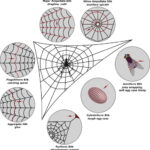
Spider webs are more than delicate traps stretched between leaves or across corners. They are highly specialized tools made from silk, and different spiders use them in different ways to catch prey, protect eggs, travel, or stay safe. Understanding how webs work can help you identify the spiders around you and appreciate why webs matter in gardens, forests, and homes.
Quick answer
Some of the most interesting facts about spider webs are that they are made from several kinds of silk, many spiders rebuild them quickly, some webs can reflect ultraviolet light that attracts insects, and not all spiders make prey-catching webs at all. Webs can also reveal a lot about the kind of spider that made them, because different groups build very different structures.
Overview
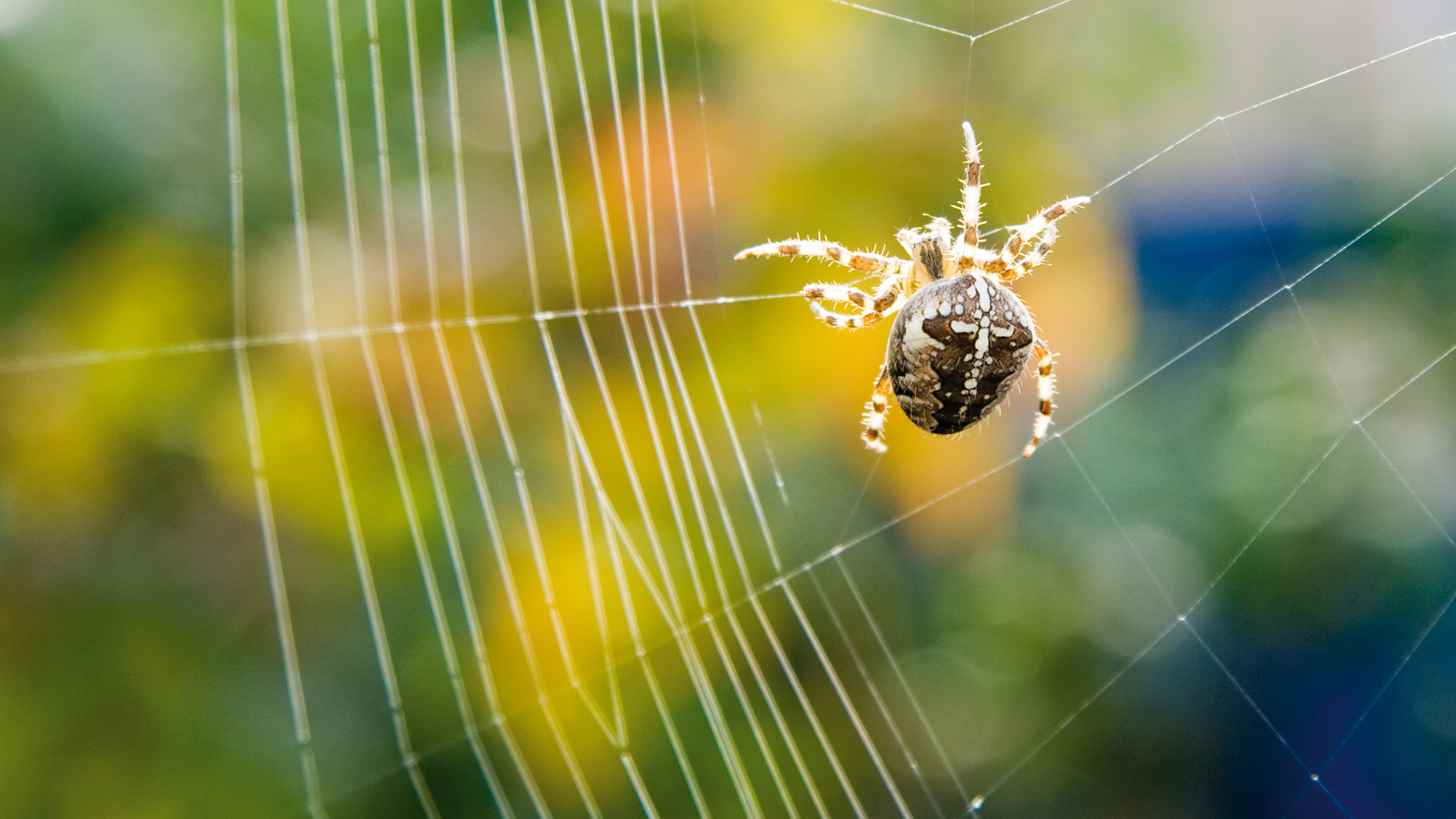
Spider webs are silk structures built by spiders for practical purposes, not just decoration. Depending on the species, a web may be used to catch flying insects, create a hiding place, protect eggs, anchor a safety line, or even help a spider move through the air by ballooning.
What makes webs especially remarkable is that they are not all the same. A neat circular orb web, a messy cobweb in a corner, and a sheet-like web over grass all reflect different hunting strategies. In other words, a spider’s web is often one of the best clues to how it lives.
Identification
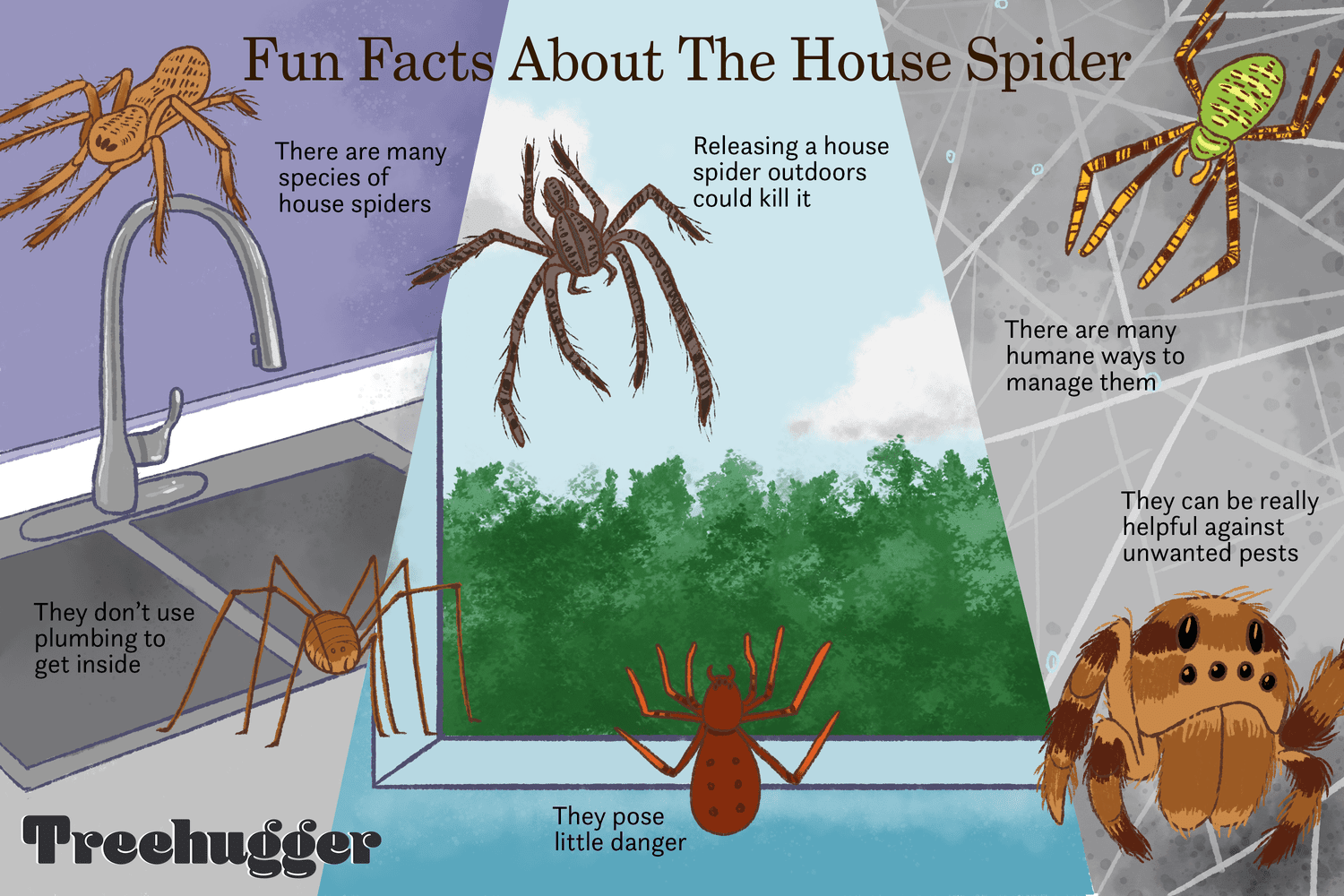
One of the easiest ways to understand a spider web is to identify its basic shape.
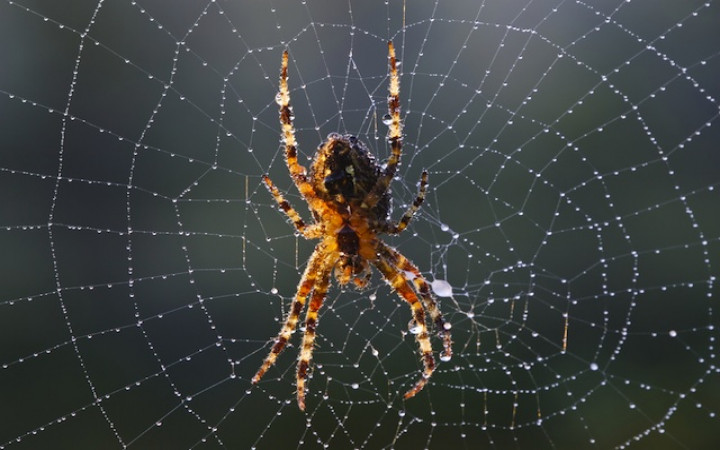
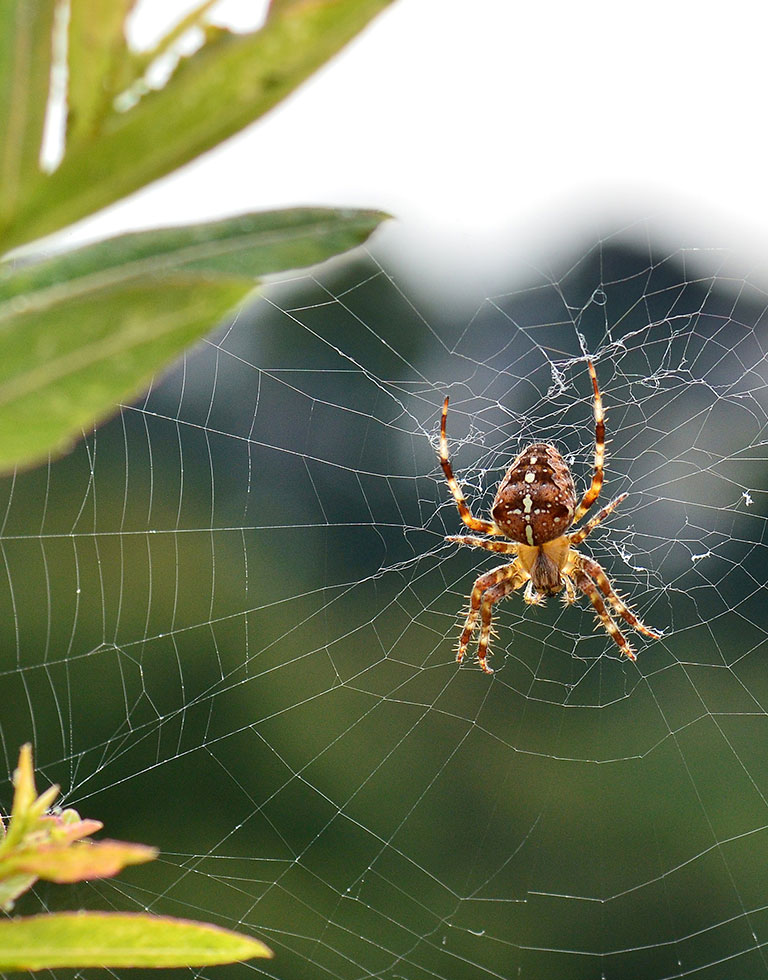
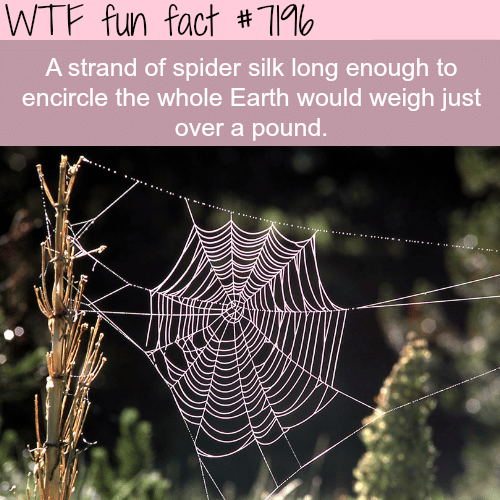
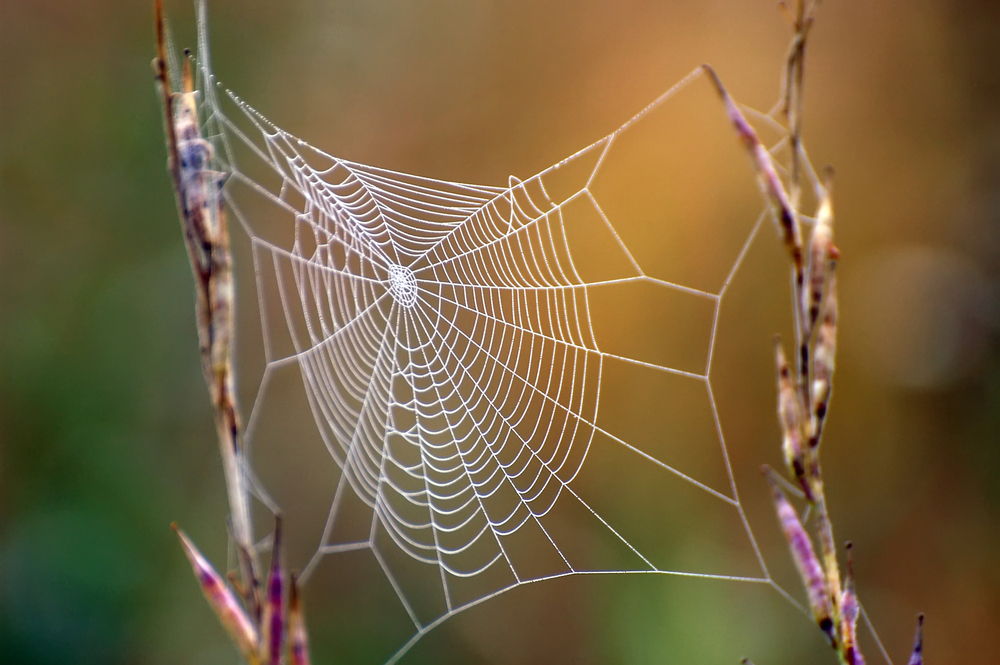
Orb webs are the classic wheel-shaped webs many people picture first. They are common in gardens and are designed to catch flying insects.
Funnel webs made by funnel weavers usually look like a flat sheet of silk leading into a retreat or tunnel. These are often found close to the ground, in shrubs, or around foundations.
Irregular webs look messy and uneven. They are often built in corners, under rocks, or around human structures. These webs are common among cobweb-building spiders.
You can also identify webs by texture. Some threads are sticky and meant to trap prey, while others are dry support lines that give the web its structure. In dew or early morning light, these patterns are often much easier to see.
Habitat
Spider webs can be found almost anywhere spiders live. Outdoors, they may be stretched between plants, under leaves, in tall grass, along fences, or across tree branches. Indoors, they often appear in ceiling corners, basements, sheds, garages, and window frames.
Where a web is built usually reflects the spider’s needs. Orb-weaving spiders prefer open spaces where flying insects pass through. Ground-level sheet and funnel webs are more common in grass, low shrubs, and protected edges. Irregular webs are especially common in sheltered places where the structure will not be disturbed often.
Behavior
Spider webs are active tools, not passive objects. Many spiders constantly maintain, repair, or replace them. Some orb weavers rebuild their webs regularly, and many recycle valuable silk proteins by eating the old web before constructing a new one. That helps save energy and raw materials.
Spiders are also highly efficient builders. Some can create a functional web in well under an hour by first laying a bridge line, then forming a frame, then adding spokes, and finally building the capture spiral. Much of this behavior is instinctive rather than learned.
Another useful point is that spiders can change their web-building strategy when conditions change. If a site is windy, disturbed, or poor for catching prey, a spider may move or adjust the web’s placement and shape.
Diet
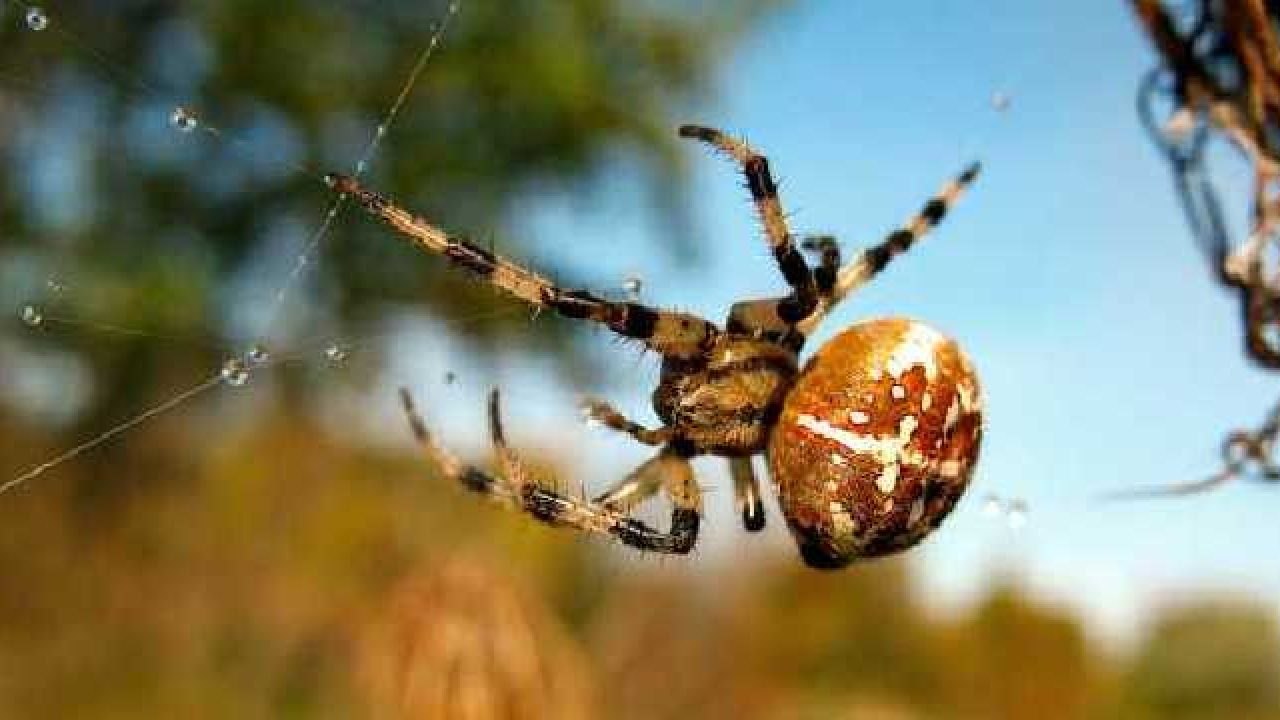
Spider webs are closely tied to diet because they are primarily feeding tools. Web-building spiders use silk to intercept and hold prey such as flies, moths, mosquitoes, and other small insects.
Different web styles suit different prey. Orb webs are especially effective for flying insects. Sheet and funnel webs often catch insects that jump or crawl onto the silk surface. Some spiders also use specialized silk to wrap prey after capture, making it easier to subdue and eat safely.
It is also worth remembering that not all spiders depend on webs for food. Wolf spiders, jumping spiders, and some others are active hunters. They still produce silk, but they do not rely on prey-catching webs in the same way.
Are they dangerous?
Spider webs themselves are not dangerous to people. They do not sting, they are not poisonous, and ordinary contact with a web is harmless. At most, walking into a web can be unpleasant or startling.
The spider on the web is usually more interested in avoiding you than interacting with you. Most web-building spiders are not medically significant and bite only if pressed or trapped against the skin. A web in your yard or garden is usually a sign of a small predator helping reduce insect numbers, not a threat.
It is still sensible to avoid handling spiders directly if you cannot identify them, but the web alone is not something to worry about.
Key facts
Spider silk is one of the most versatile natural materials known. Spiders can produce different silks for different jobs, including strong draglines, stretchy capture threads, attachment silk, prey-wrapping silk, and protective egg-sac silk.
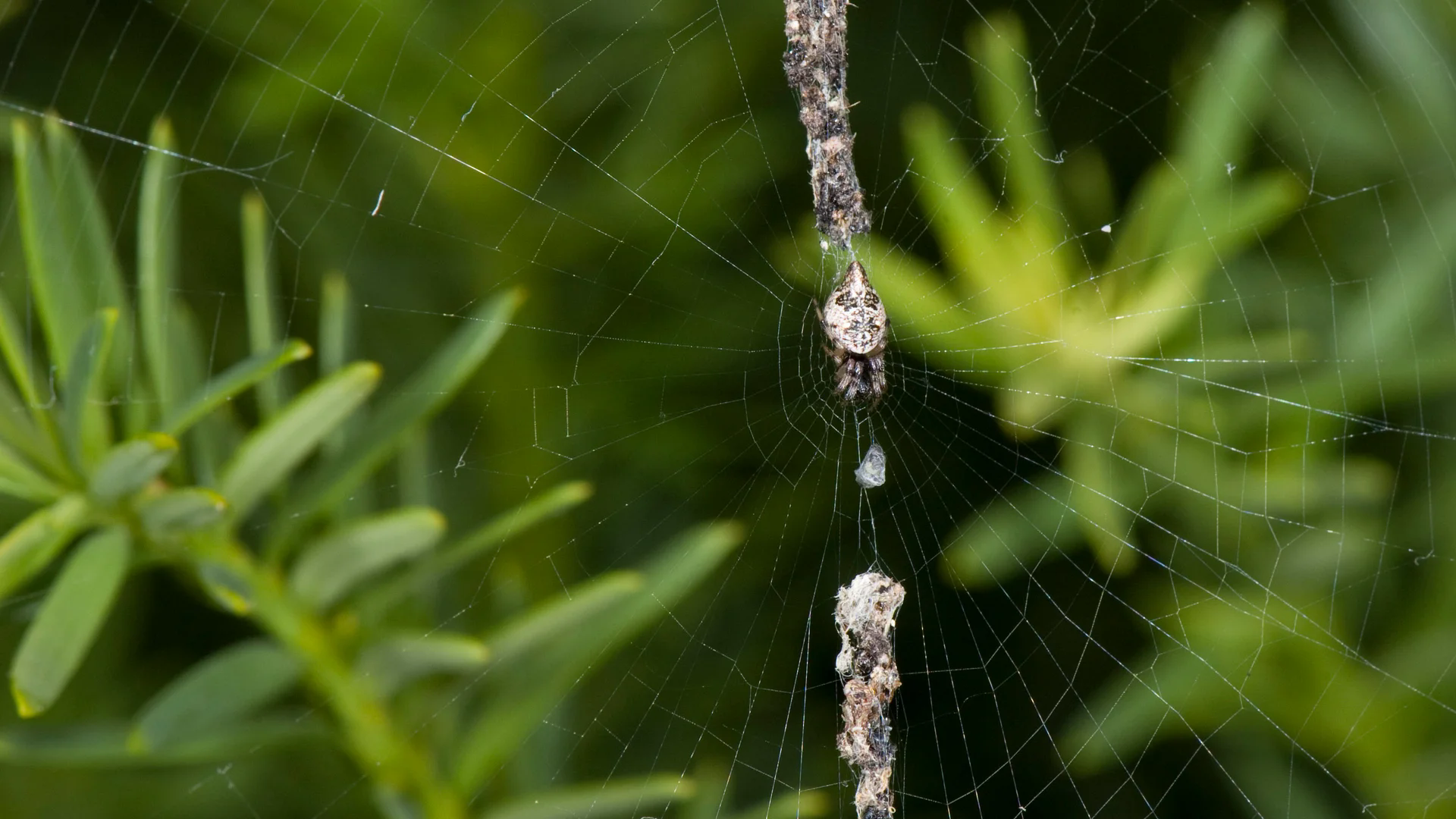
Some webs may help attract prey. Certain webs reflect ultraviolet light, which some insects can see. Others include visible silk decorations called stabilimenta, though scientists still debate exactly how these markings function in every case.
Webs are also useful beyond spider biology. Researchers have studied them for ideas in materials science, medicine, adhesives, and even environmental monitoring, because webs can trap tiny airborne particles.
Finally, webs have deep evolutionary roots. Spiders and silk-based behaviors have existed for an immense span of time, and fossil evidence shows that web-building is an ancient and successful survival strategy.
Why spider webs matter
Spider webs are worth understanding because they reveal both the spider’s identity and its role in the ecosystem. A web tells you how a spider hunts, where it prefers to live, and what sort of prey it targets. For readers trying to identify spiders around their home or garden, noticing the web shape can be just as useful as noticing the spider itself.
They also show how efficient nature can be. A web may look fragile, but it is a carefully engineered structure built from multiple silk types, adapted to location, prey, and daily wear. That combination of precision and practicality is what makes spider webs so fascinating.
- Quick facts box
Quick Facts About Spider Webs
| Fact | Details |
|---|---|
| What they are | Silk structures built by spiders for hunting, protection, movement, and reproduction |
| Main materials | Different types of spider silk made in specialized glands |
| Common web types | Orb webs, funnel or sheet webs, and irregular cobwebs |
| Main purpose | Catching prey, especially insects |
| Where found | Gardens, grass, shrubs, forests, sheds, garages, and house corners |
| Dangerous to people? | No, webs themselves are harmless |
| Special ability | Many spiders can repair or rebuild webs very quickly |
| Extra uses of silk | Draglines, egg sacs, prey wrapping, and ballooning |