Garden orb-weaver spiders are not considered dangerous to most people. They do have venom, which means they are venomous, but their venom is mild and they are not medically significant in the vast majority of cases.
These spiders are also not “poisonous” in the usual sense of the word. People often use “poisonous” to mean “harmful,” but for spiders, the more accurate term is venomous. In practical terms, garden orb-weavers are generally shy, unlikely to bite, and more helpful than harmful around homes and gardens.
Are they dangerous?
For most people, garden orb-weaver spiders are not dangerous. Even though they can bite in self-defense, they are not aggressive and usually try to avoid contact.
It also helps to separate a few terms that often get mixed together:
- Venomous means an animal injects venom through a bite or sting.
- Dangerous means it is likely to cause serious harm.
- Medically significant means a bite may need professional medical attention because of stronger venom or more serious symptoms.
- Harmless is often used informally for animals that pose little real risk, even if they can still bite under pressure.
Garden orb-weavers are venomous, but they are usually not dangerous and are not considered medically significant to humans. Their bite, when it happens, is usually mild.
Can they bite humans?
Yes, garden orb-weaver spiders can bite humans, but bites are uncommon. These spiders do not hunt people, do not chase people, and do not normally bite unless they are trapped, handled, or pressed against the skin.
Most accidental bites happen in simple situations such as:
- reaching into a web without seeing the spider
- picking up garden items where a spider is hiding
- trapping the spider in clothing, gloves, or bedding
- trying to handle or remove it by hand
In ordinary outdoor situations, garden orb-weavers are much more likely to retreat than bite.
What happens if they bite?
A garden orb-weaver bite is usually mild. Many people describe it as similar to a bee sting or less severe.
Common symptoms may include:
- brief sharp pain
- mild redness
- slight swelling
- itching or irritation around the bite area
These symptoms often stay local and improve on their own. Serious complications are uncommon.
A person’s reaction can vary, though. Children, people with sensitive skin, and those who are especially reactive to insect bites or stings may notice stronger local discomfort. That does not automatically mean the spider is dangerous. It simply means people respond differently.
When should you worry?
In most cases, there is no reason to panic after a suspected garden orb-weaver bite. Wash the area with soap and water, apply a cold compress, and monitor symptoms.
You should pay closer attention if:
- the pain becomes severe or keeps getting worse
- swelling spreads well beyond the bite site
- you develop signs of infection such as warmth, pus, or fever
- you feel dizzy, faint, or short of breath
- you have a history of serious allergic reactions to bites or stings
- the spider was not clearly identified and might have been a different species
These situations do not mean a garden orb-weaver is highly dangerous. They mean it is wise to be cautious and get medical advice if symptoms seem unusual or out of proportion.
Why people often worry more than necessary
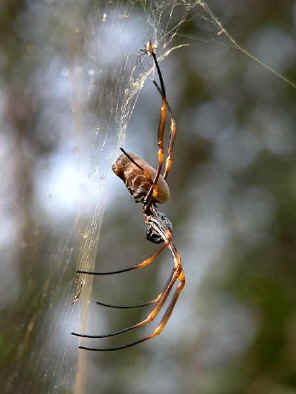
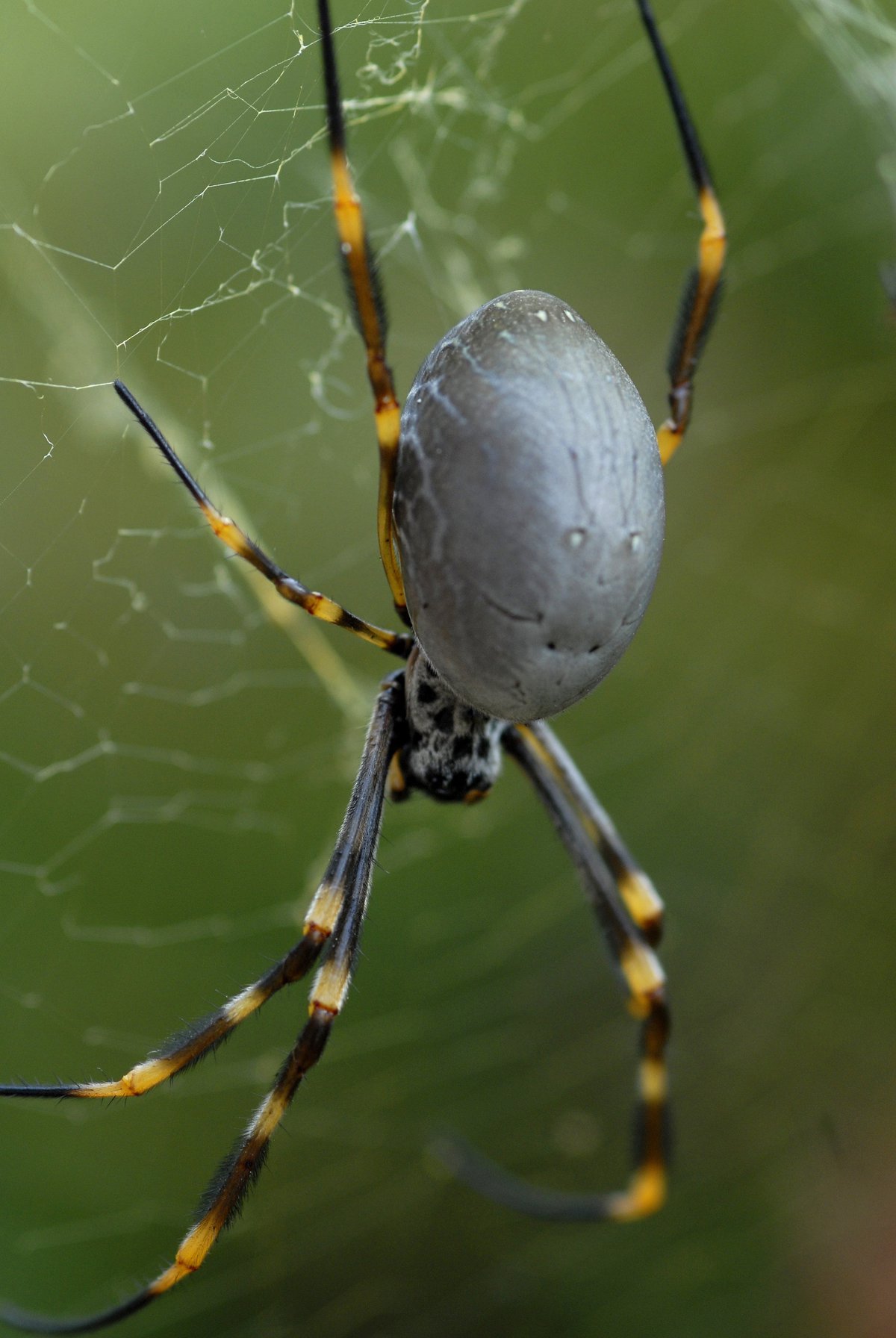
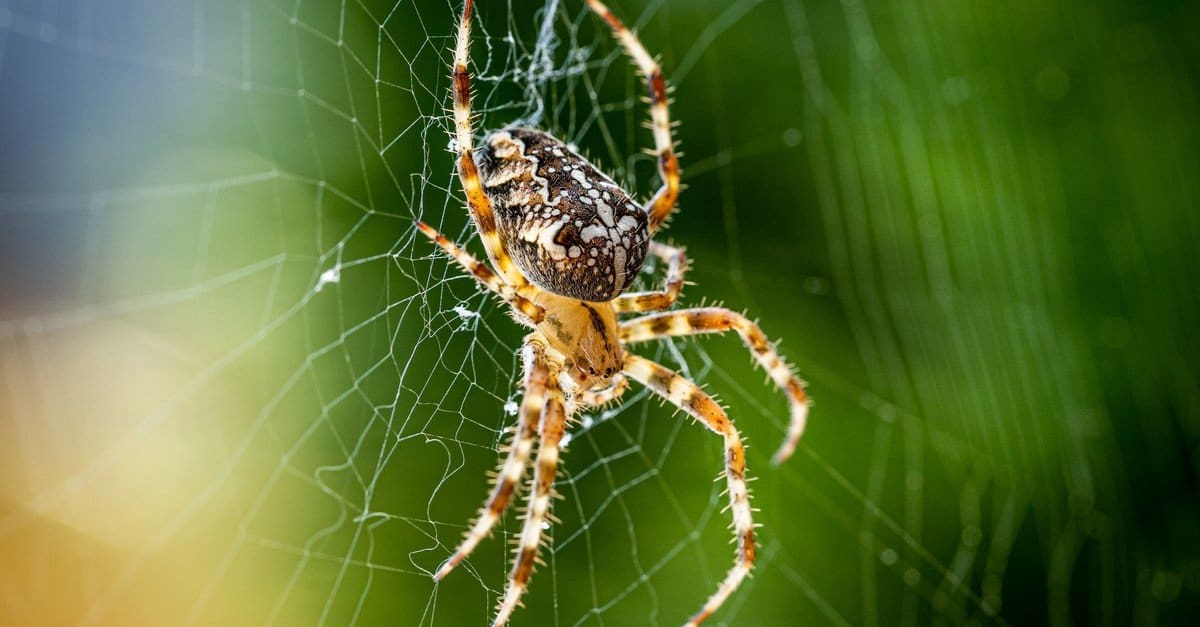
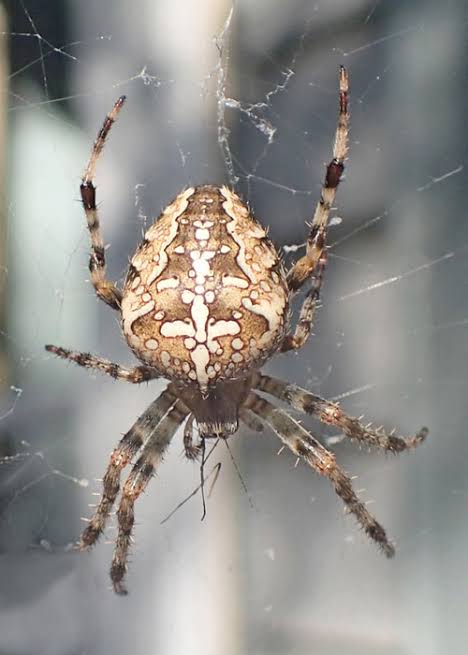
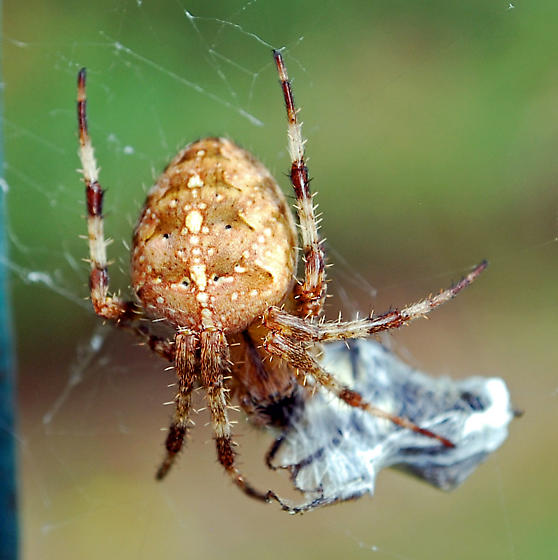
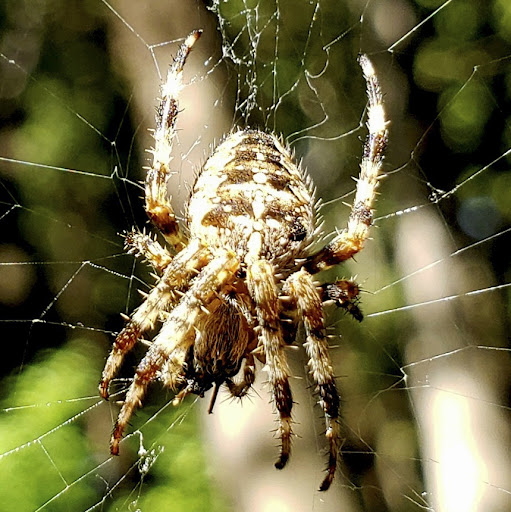
Garden orb-weavers can look alarming because they often have large round abdomens, long legs, and very noticeable webs. But appearance is not a good guide to real risk.
In fact, these spiders are usually beneficial in gardens because they catch flying insects such as flies, mosquitoes, moths, and beetles. Many people only notice them when their webs appear across porches, fences, shrubs, or walkways.
A large spider can be startling, but that does not make it medically important.
A practical safety view
The real-world risk from garden orb-weaver spiders is low. For most households, the main issue is not danger but inconvenience, especially when webs appear in places people use often.
A few simple habits can reduce unwanted contact:
- avoid grabbing spiders by hand
- shake out gloves, shoes, and stored garden items
- use a stick or tool to move webs instead of bare hands
- wear gloves when gardening in dense plants or wood piles
- relocate the spider gently if needed rather than crushing it
This approach keeps both people and spiders safer.
Final answer
Garden orb-weaver spiders are venomous, but they are not usually dangerous to humans and are not considered medically significant in most cases. They can bite if threatened, but bites are uncommon and usually cause only mild, temporary symptoms.
If you are wondering whether a garden orb-weaver is “poisonous,” the more accurate answer is that it is mildly venomous, not poisonous, and generally low-risk to people.
5. FAQ questions and answers
1. Are garden orb-weaver spiders poisonous?
Not in the usual sense. The correct term is venomous, because they deliver venom through a bite. Their venom is mild and they are not considered a serious threat to most people.
2. Are garden orb-weaver spiders dangerous to humans?
Usually no. They are not aggressive, and their bites are generally mild. Most people will not experience anything more than minor local pain, redness, or swelling.
3. Do garden orb-weaver spiders bite often?
No. Bites are uncommon because these spiders prefer to avoid people. They usually bite only when trapped, pressed against the skin, or handled directly.
4. What should I do if a garden orb-weaver bites me?
Wash the bite area with soap and water, apply a cold compress, and watch for worsening symptoms. Seek medical advice if you develop severe pain, spreading swelling, trouble breathing, or signs of infection.
5. Are garden orb-weaver spiders helpful in the garden?
Yes. They are beneficial predators that help control insects such as flies, mosquitoes, moths, and beetles. In many gardens, they are more useful than harmful.