
Most suspected spider bites are mild and can usually be cared for at home with basic first aid. The key is to clean the area, reduce swelling, and watch for warning signs, because while most spiders are not dangerous to humans, a small number can cause medically significant symptoms.
It is also worth noting that many skin bumps people call “spider bites” are actually caused by other insects, irritation, or skin infections. That is why it helps to focus less on guessing the exact culprit and more on treating the skin safely and knowing when symptoms need medical attention.
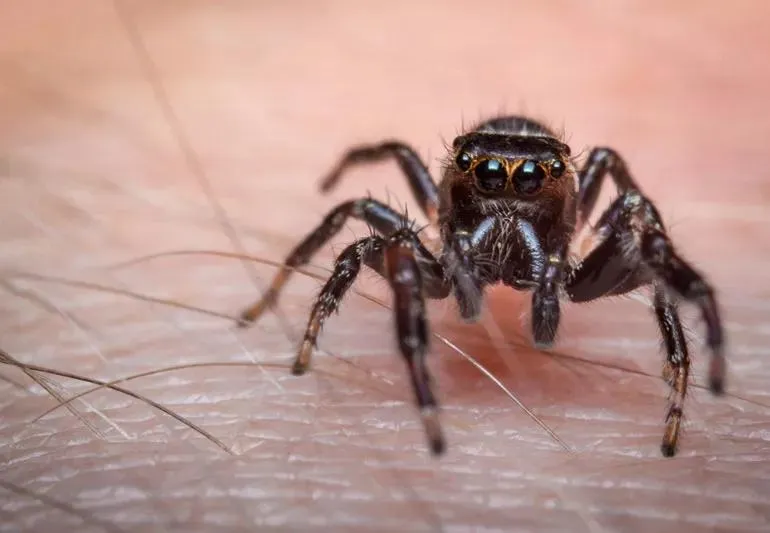
Are they dangerous?
Most spiders are venomous, which means they use venom to subdue prey. That does not automatically mean they are dangerous to people.
These words are often confused, but they do not mean the same thing:
- Venomous: an animal injects venom through a bite or sting
- Poisonous: harmful if touched, eaten, or absorbed, which is not how spiders usually affect people
- Dangerous: likely to cause serious harm
- Medically significant: more likely to cause symptoms that need professional medical care
- Harmless: unlikely to cause more than mild, temporary irritation
So, are spiders dangerous? Usually, no. Most spiders are not considered dangerous to humans, and most bites cause only mild redness, swelling, or pain. A few spiders, such as widow spiders and recluse spiders in some regions, are more medically significant and deserve closer attention.
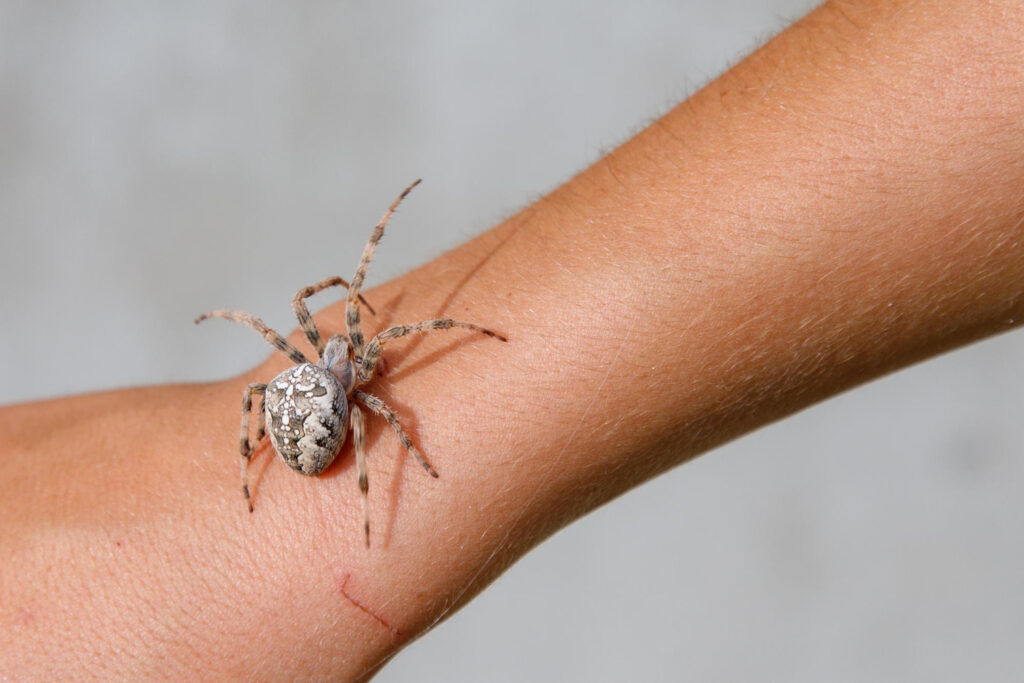
Can they bite humans?
Yes, spiders can bite humans, but bites are not especially common. Spiders generally prefer to avoid people and usually bite only when trapped against the skin, pressed in clothing or bedding, or handled directly.
A person may be bitten when they:
- put on clothing or shoes with a spider inside
- reach into storage areas, sheds, garages, or woodpiles
- roll onto a spider in bed
- accidentally press a spider against the skin
Even then, many spiders are too small to break human skin effectively. That is one reason true spider bites are often overestimated.
What happens if they bite?
A mild spider bite often looks like a small red or pink bump. It may itch, sting, feel tender, or become slightly swollen. In many cases, symptoms stay local and improve over a few days.
Common mild symptoms include:
- redness
- slight swelling
- itching
- tenderness
- a burning or stinging feeling
For a minor bite, home care is usually enough.
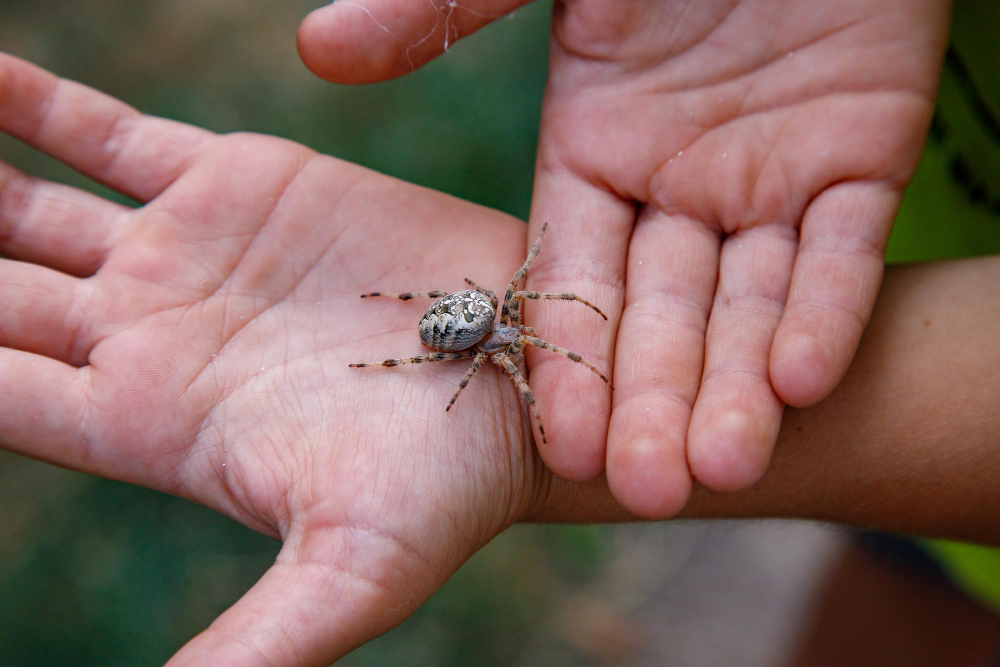
How to treat a spider bite at home
If the bite seems mild, these steps are usually appropriate:
1. Wash the area with soap and water
Gently clean the skin to reduce the risk of infection.
2. Apply a cold compress
Use a cool cloth or wrapped ice pack for 10 to 15 minutes at a time. This can help reduce pain and swelling.
3. Elevate the area if possible
If the bite is on an arm or leg, raising it may help limit swelling.
4. Use over-the-counter relief if needed
An antihistamine may help with itching. Hydrocortisone cream or calamine lotion can also soothe irritated skin. A standard over-the-counter pain reliever may help if the area is sore.
5. Avoid scratching or cutting the skin
Scratching can worsen irritation and increase the chance of infection. Do not try to squeeze out venom or cut into the bite.
6. Keep the area clean and monitor it
Most mild bites improve steadily. Watch for worsening pain, spreading redness, fever, or drainage.
What not to do
A lot of home remedies are popular online, but many are not helpful. It is best to avoid:
- cutting the bite
- sucking out venom
- applying harsh chemicals
- using lemon juice, charcoal, or similar “drawing” remedies
- putting ice directly on bare skin for long periods
These measures do not remove venom and may irritate the skin further.
When should you worry?
You should be more cautious if symptoms go beyond a simple skin reaction.
Seek urgent medical care if you have:
- trouble breathing
- trouble swallowing
- severe muscle cramps
- severe abdominal pain
- vomiting
- dizziness or faintness
- rapidly worsening pain
- spreading redness or streaking
- a growing open wound or blister
- fever or chills
- signs of an allergic reaction, such as hives or swelling away from the bite
These symptoms can suggest a more serious reaction, infection, or a bite from a medically significant spider.
Bites that may be medically significant
In some areas, widow spiders and recluse spiders are the main concern.
Widow spiders
Widow spider bites may cause sharp pain at first, followed by muscle cramping, sweating, nausea, abdominal pain, or body-wide discomfort. These symptoms can develop within hours.
Recluse spiders
Recluse bites may begin mildly but can worsen over time. In some cases, the skin in the center becomes discolored, blistered, or ulcerated over the next day or two.
Not every bite from these spiders becomes severe, but symptoms should be taken seriously.
When home treatment is usually enough
Home care is generally reasonable when:
- the bite is small and localized
- symptoms are mild
- pain is manageable
- there are no body-wide symptoms
- the area improves day by day
If the bite does not improve, becomes more painful, or starts to look infected, it is sensible to get medical advice.
Final answer
So, how should you treat a spider bite at home? In most mild cases, wash the bite with soap and water, apply a cold compress, use simple over-the-counter relief if needed, and keep watching for worsening symptoms.
Most spider bites are not dangerous, and many suspected spider bites are not spider bites at all. The main thing is not to panic: treat the skin gently, avoid unproven remedies, and seek medical care if you develop severe pain, spreading skin damage, breathing problems, or other whole-body symptoms.
5. 5 FAQ questions and answers
FAQ 1: How do I treat a spider bite at home?
Wash the area with soap and water, apply a cold compress, and use over-the-counter medicine for pain or itching if needed. Keep the bite clean and watch for signs that it is getting worse.
FAQ 2: Are spider bites usually dangerous?
No. Most spider bites are mild and cause only local irritation. Only a small number of spiders are considered medically significant to humans.
FAQ 3: Are spiders poisonous or venomous?
Spiders are generally venomous, not poisonous. They inject venom through a bite, but most spider venom is not dangerous to people.
FAQ 4: When should I worry about a spider bite?
You should worry if you develop severe pain, muscle cramps, trouble breathing, vomiting, fever, spreading redness, or a worsening wound. Those symptoms should be assessed by a medical professional.
FAQ 5: How can I tell if it was really a spider bite?
It is often hard to tell. Many skin bumps blamed on spiders are actually caused by other insects or skin irritation. If the area becomes more painful, infected, or unusual in appearance, a medical evaluation is the safest way to find out what is going on.