How Dangerous Are False Widow Spiders?False widow spiders are venomous, but they are not usually dangerous to people. They can bite if trapped against the skin or handled, yet most bites are mild and cause local pain, redness, or swelling rather than a medical emergency. They are also not poisonous—the correct word is venomous, because spiders inject venom through a bite.
Are they dangerous?
In everyday terms, false widow spiders are best described as low risk rather than harmless. “Venomous” means they can inject venom. “Dangerous” suggests they are likely to cause serious harm. “Medically significant” means a bite can sometimes cause symptoms that are strong enough to need medical advice or treatment. Those words are not interchangeable, and mixing them up is one reason false widow coverage often becomes more dramatic than it needs to be.
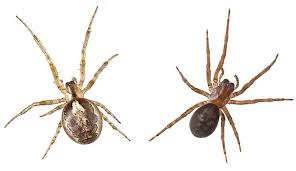
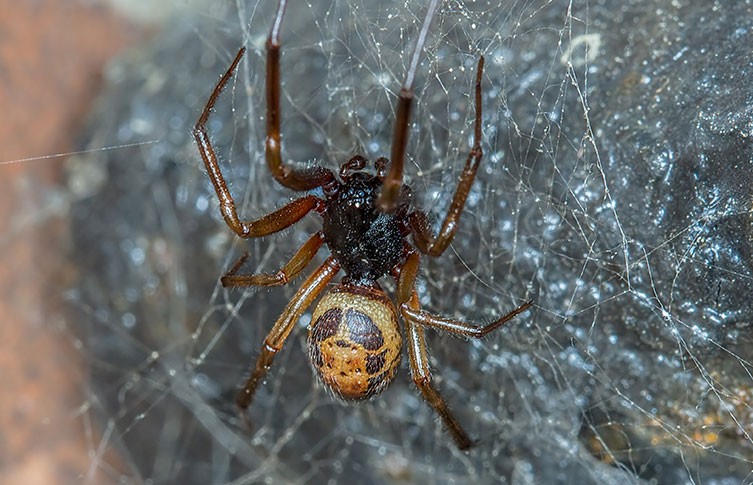
False widows are often mistaken for black widows, but they are not considered equally harmful. The Natural History Museum notes that the false widow spiders commonly found in the UK are generally associated with a small, relatively harmless bite, not the kind of severe danger suggested by many headlines. The species most often linked to bite reports is the noble false widow (Steatoda nobilis).
That said, “not usually dangerous” does not mean “nothing can ever happen.” Confirmed Steatoda nobilis bites have, in a minority of cases, caused more than simple local irritation, and some cases have needed hospital care. A balanced way to describe the real risk is this: false widows are venomous spiders with an uncommon bite risk, and most bites are mild, but a small number can be more medically important.
Can they bite humans?
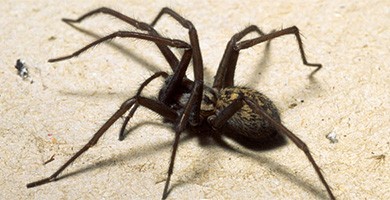
Yes, they can bite humans, but they do not usually bite without a reason. Guidance from British spider experts says bites are most likely when someone puts a hand into a web, handles the spider roughly, or accidentally sits or lies on one. In a study summary on the noble false widow, most confirmed bites happened in or around the home, often when the spider was trapped in clothing or bedding.
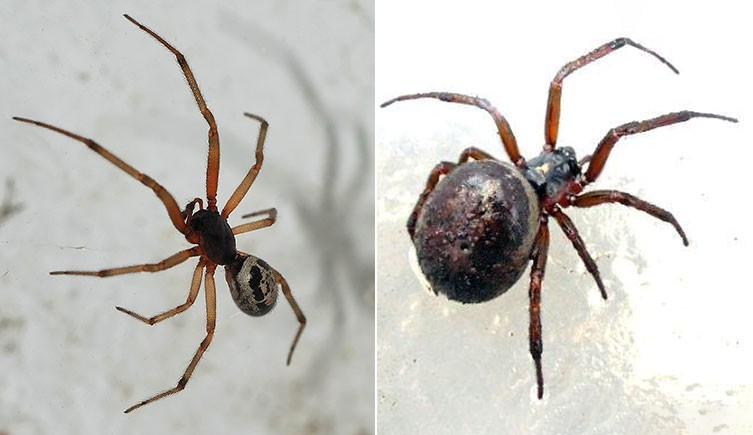
Not every false widow is equally likely to pierce skin. The noble false widow is the species most often discussed in bite reports, while the rabbit hutch spider (Steatoda bipunctata) is considered very unlikely to penetrate human skin. So the practical answer is yes, false widows can bite, but they are not aggressive spiders looking to bite people.
What happens if they bite?
For most people, a false widow bite causes local symptoms: pain, redness, swelling, tenderness, or irritation around the bite site. General NHS guidance on bites and stings also notes that most bites improve within a few days, although the area can become more swollen or painful if it gets infected.
With the noble false widow, a smaller number of confirmed cases have involved stronger symptoms, including more intense pain and, less commonly, nausea, tremor, or changes in blood pressure. This is why some researchers describe Steatoda nobilis as medically significant. That phrase does not mean every bite is severe. It means some bites can go beyond a brief, minor reaction.
It is also important to separate the bite itself from what can happen afterward. Some of the more worrying cases discussed in the medical literature involve secondary bacterial infection at the bite site, not just venom effects. In practical terms, keeping the area clean and avoiding scratching matters as much as the bite itself.
When should you worry?
You should pay closer attention if symptoms are getting worse instead of better, or if the bite area becomes hot, increasingly red, more swollen, or starts leaking pus. NHS and hospital guidance also recommends seeking medical advice if you feel dizzy or lightheaded, develop a high temperature with swollen glands, or think the area may be infected.
Seek urgent emergency help if there are signs of a serious allergic reaction, such as sudden swelling of the lips, mouth, tongue, or throat, difficulty breathing, or trouble swallowing. Those symptoms need prompt medical care regardless of what bit or stung you.
For a mild bite, the safest first steps are simple: wash the area with soap and water, use a cold pack or wrapped ice to reduce pain and swelling, and avoid scratching. If you find a false widow in the house and want to move it, capture-and-release with a glass and card is safer than picking it up by hand.
Final answer
False widow spiders are venomous, but they are not usually dangerous to humans. They can bite, but bites are uncommon and are usually mild; the main reasons to worry are worsening symptoms, infection, or signs of an allergic reaction. For most readers, the clearest answer is this: false widow spiders are best treated as low-risk spiders that should be left alone, not feared.
Short conclusion:
So, are false widow spiders dangerous? Usually, no. They are capable of biting, and a small number of bites can be more serious, but most encounters do not lead to significant harm.
5. FAQ
Q1. Are false widow spiders poisonous?
No. False widow spiders are venomous, not poisonous. “Venomous” means they inject venom through a bite, while “poisonous” usually refers to toxins that harm you if eaten, inhaled, or absorbed.
Q2. Do false widow spiders bite often?
No. Bites are uncommon and usually happen when the spider is trapped against skin, disturbed in its web, or accidentally pressed in clothing or bedding.
Q3. Are false widow bites medically significant?
Sometimes, especially with the noble false widow. Most bites are mild, but a minority of confirmed cases have involved stronger symptoms or needed medical care, which is why some experts describe Steatoda nobilis as medically significant.
Q4. What should I do if I think a false widow bit me?
Wash the area with soap and water, apply a cold pack, and avoid scratching. Get medical advice if symptoms worsen, if the area looks infected, or if you feel unwell.
Q5. Should I kill a false widow spider if I find one indoors?
Not necessarily. The safer option is to avoid handling it directly and move it with a glass and card if you want it out of the house.