Sac spiders are venomous to their prey, but they are not usually dangerous to people. In most cases, a sac spider bite causes localized pain, redness, or mild swelling rather than a serious medical emergency. They are not poisonous, and while they are not completely harmless, the real-world risk to most healthy adults is low.
People often find sac spiders in gardens, on foliage, or inside homes, which is why they are commonly searched online as “dangerous” spiders. A calm, practical answer is more useful than a dramatic one: these spiders can bite, but severe reactions are uncommon.
What are sac spiders?
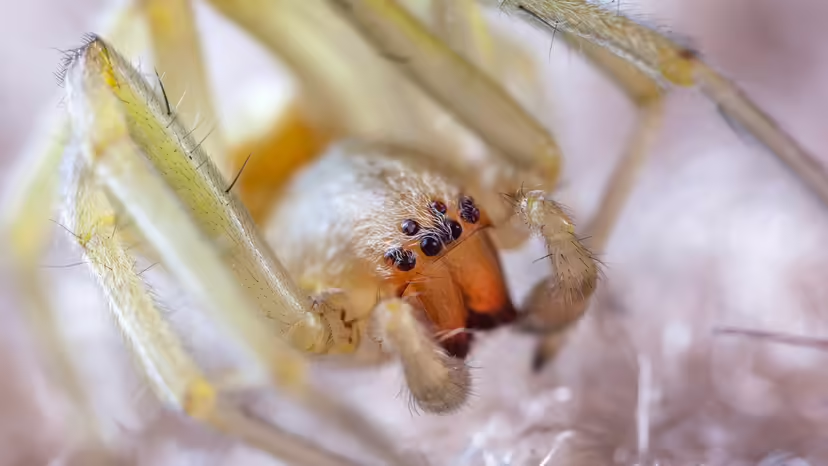
“Sac spider” is a common name used for several spiders that make small silk retreats, or sacs, where they rest during the day or guard their eggs. These silk sacs are not prey-catching webs. Instead, sac spiders are active hunters that leave their retreat at night to search for insects and other small arthropods.
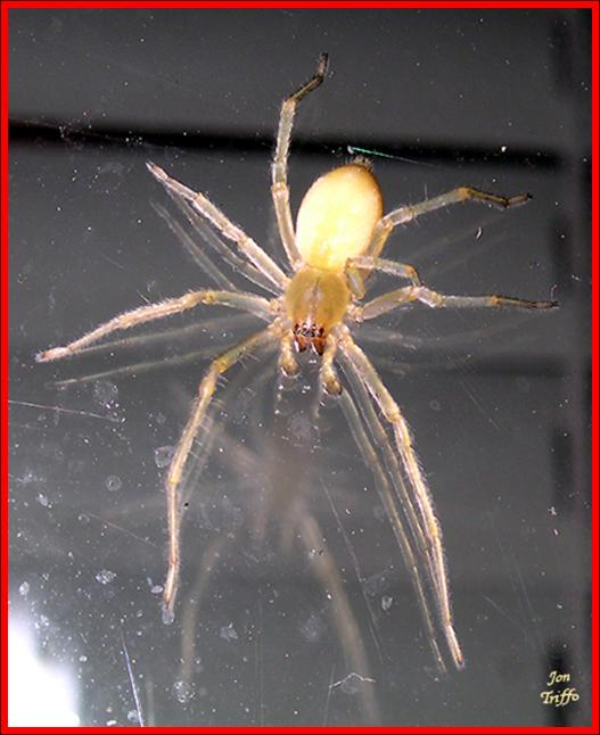
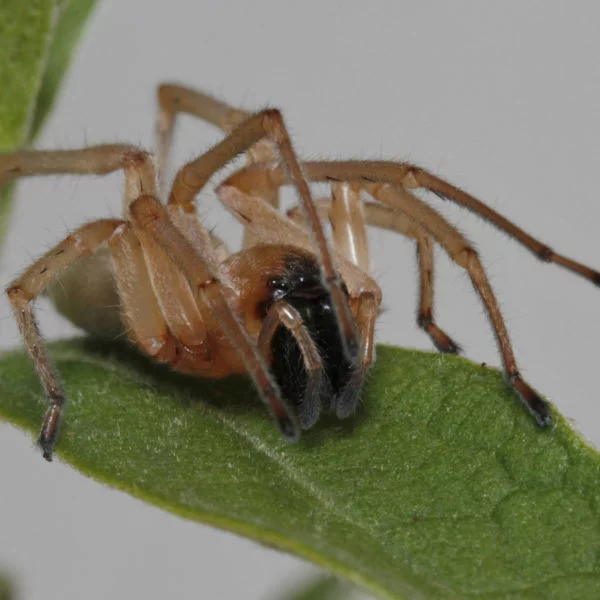
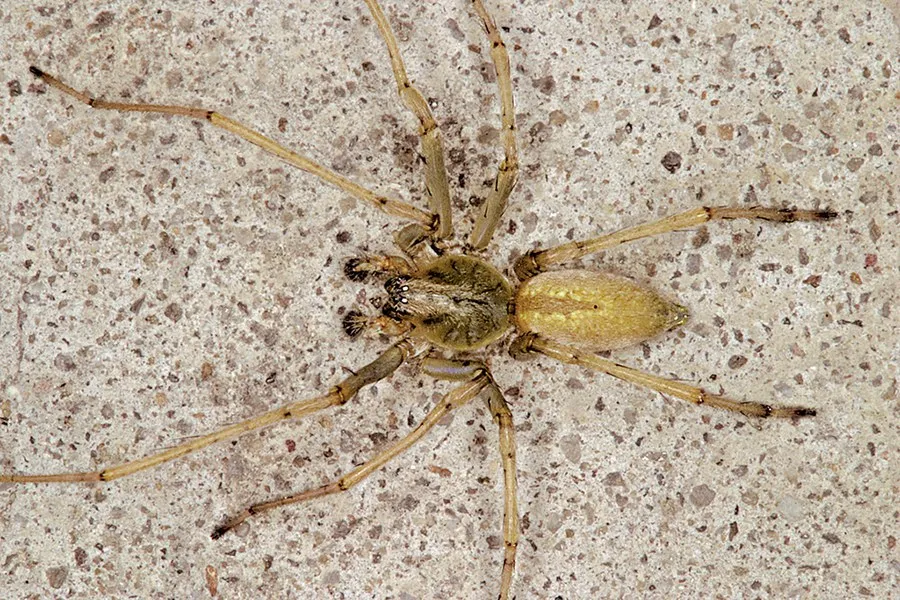
Many sac spiders are pale yellow, cream, tan, or light brown, though some species are darker or more robust. Their bodies are usually slender, with long legs and noticeable mouthparts. In homes, they may be seen near ceilings, wall corners, window frames, or tucked into quiet sheltered spots.
Are they dangerous?
For most people, sac spiders are not considered highly dangerous. That distinction matters.
A spider can be venomous without being especially dangerous to humans. “Venomous” means it uses venom to subdue prey. “Dangerous” suggests a meaningful risk of serious harm to people. Those are not the same thing.
Sac spiders are venomous, but most are not regarded as medically significant in the same way as widow spiders or recluse spiders. Their bites can be painful and unpleasant, but they do not usually cause severe illness.
They are also not poisonous. “Poisonous” would mean harmful if touched or eaten. That is not how sac spiders affect people. If a sac spider causes harm, it is through a bite.
So are they harmless? Not completely. A sac spider can bite if trapped against skin, handled, or disturbed in bedding, clothing, shoes, or garden debris. But in practical terms, the average person is far more likely to experience temporary discomfort than a dangerous medical outcome.
Can they bite humans?
Yes, sac spiders can bite humans, but they do not bite for no reason. Most bites happen when the spider is pressed against the skin. That can occur when someone puts on clothing that has been left on the floor, reaches into leaf litter, rolls onto a spider in bed, or accidentally traps one while gardening.
Sac spiders do not hunt people, and they do not seek out humans to bite. They are small nocturnal predators looking for insects, not confrontation. Because they wander at night rather than staying in a web, they sometimes end up in places where accidental contact is more likely.
This is one reason they are blamed for many suspected spider bites. Still, confirmed bites are less common than many people assume.
What happens if they bite?
A sac spider bite is usually mild to moderate. Common symptoms may include immediate sharp pain or burning, followed by redness, mild swelling, itching, or tenderness at the bite site. Some people develop a small raised area or mild irritation that settles down over time.
In a smaller number of cases, symptoms may feel more intense for several hours. The area may remain sore, warm, itchy, or irritated. Mild blistering can happen in some bites, but serious tissue injury is not typical.
Older articles often describe sac spiders in very alarming terms, especially around skin damage. That can overstate the usual risk. While any bite should be kept clean and watched for signs of infection, most sac spider bites do not turn into severe wounds, and most do not require hospital treatment.
A good practical response is simple:
Wash the area with soap and water, apply a cool compress, avoid scratching, and monitor symptoms. Over-the-counter pain relief or antihistamines may help if needed, following label directions.
When should you worry?
You should take a sac spider bite more seriously if:
- pain continues to worsen rather than improve
- swelling becomes significant
- the bite area shows spreading redness, drainage, or signs of infection
- you develop fever, nausea, dizziness, or other whole-body symptoms
- the person bitten is a young child, an older adult, immunocompromised, or has a history of severe allergic reactions
In other words, the main concern is usually not that the spider is “deadly,” but that a bite reaction is unusually strong, becomes infected, or is being mistaken for something else.
If you did not see the spider clearly, remember that many skin problems are misattributed to spiders. Rashes, infections, ingrown hairs, and other insect bites are often blamed on spiders without proof. A doctor can help if symptoms are severe, persistent, or unclear.
Sac spider habitat, diet, and life cycle
Sac spiders live in a wide range of habitats, including gardens, grasslands, shrubs, leaf litter, tree bark, and buildings. Outdoors, they often hide in folded leaves, under bark, beneath stones, or among plants. Indoors, they may build small silk retreats in upper wall corners, around window frames, or in quiet undisturbed spaces.
Their diet consists mainly of insects and other small arthropods. Unlike orb-weavers, they do not build webs to catch prey. They hunt actively, especially at night, using speed and venom to capture food.
Their life cycle is fairly simple. Females lay eggs inside a silken retreat and often stay nearby to guard them. Spiderlings hatch inside or near the sac, remain protected for a short time, and then disperse. Like other spiders, they grow by molting through several stages before reaching adulthood.
This behavior explains why people sometimes find a silk sac indoors and suddenly notice several tiny spiders nearby later on.
How to reduce the chance of bites
The best way to avoid a sac spider bite is not fear, but basic prevention. Shake out shoes, clothing, gloves, and bedding if they have been left undisturbed. Wear gloves when gardening or moving outdoor debris. Indoors, reduce clutter near windows and corners, and remove visible silk retreats carefully if needed.
These simple habits matter more than dramatic pest-control claims. In many homes, occasional sac spiders can be managed without panic.
Final answer
Sac spiders are venomous but usually not dangerous to humans. They can bite, and the bite may be painful, but most cases cause only mild local symptoms such as redness, swelling, or burning that improve with basic care.
So the most accurate answer is this: sac spiders are not harmless, but they are also not usually medically significant for healthy adults. If a bite becomes severe, spreads, or causes whole-body symptoms, seek medical advice.
- 5 FAQ questions and answers
Q1: Are sac spiders poisonous or venomous?
Sac spiders are venomous, not poisonous. They use venom to subdue prey, but they are not poisonous to touch.
Q2: Are sac spiders dangerous to humans?
Usually no. Most sac spider bites are mild and cause temporary pain, redness, swelling, or itching rather than serious illness.
Q3: Do sac spiders bite often?
They can bite, but usually only when trapped against the skin, handled, or disturbed in clothing, bedding, or garden material.
Q4: What should I do if a sac spider bites me?
Wash the area with soap and water, apply a cool compress, and monitor symptoms. Seek medical advice if pain worsens, redness spreads, or you develop fever or other unusual symptoms.
Q5: Why are sac spiders often found inside homes?
Sac spiders are wandering hunters that look for sheltered places to rest during the day. Indoors, they may hide in wall corners, ceilings, window areas, or quiet undisturbed spaces.