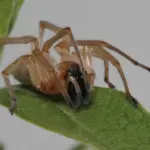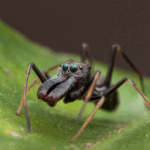
Mygalomorphae are an ancient group of spiders that include tarantulas, trapdoor spiders, and purseweb spiders. They matter because they are some of the longest-lived and most distinctive spiders in the world, with heavy bodies, powerful downward-facing fangs, and a strong connection to burrows or silk-lined retreats. For readers trying to understand or identify them, the most useful starting point is this: mygalomorphs are usually robust, ground-oriented spiders that rely on ambush, patience, and shelter rather than fast web-building in open spaces.
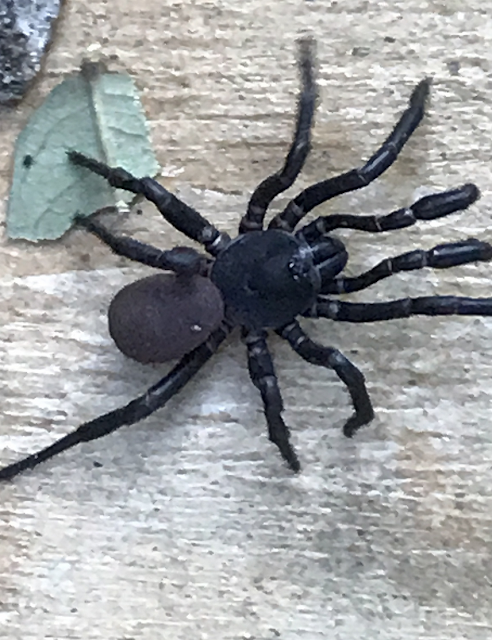
Quick answer
Mygalomorphae are not a single spider species but a major group of spiders that includes tarantulas, trapdoor spiders, purseweb spiders, and several close relatives. Most are heavy-bodied, long-lived, and built for life in burrows, silk-lined tunnels, or protected retreats. They are usually not aggressive toward people, but they can bite if handled or disturbed.
Overview
Mygalomorphae are one of the two main lineages of “true” spiders. Compared with the more familiar spiders people often see on walls, in gardens, or in orb webs, mygalomorphs tend to look sturdier and more primitive in body form.
This group includes some of the most recognizable spiders in the world, especially tarantulas and trapdoor spiders. Many species spend much of their lives hidden in the ground, under rocks, inside silk-lined chambers, or in other sheltered retreats. They are important predators in local ecosystems because they help control insects and other small invertebrates.
Identification
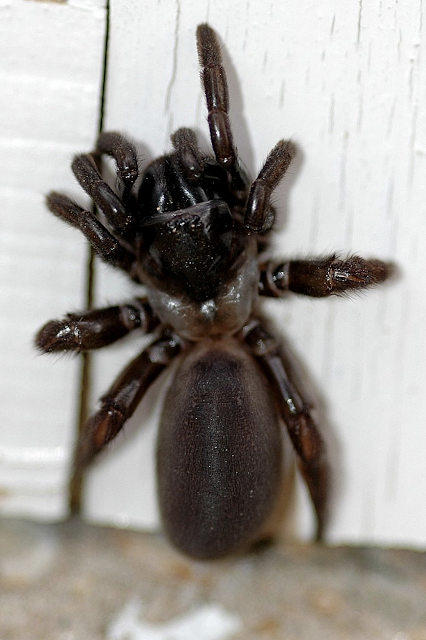
The easiest way to recognize a mygalomorph is by its overall build.
Most species have a thick, compact body and strong legs. Their fangs move downward in a more parallel direction, rather than crossing inward like those of most other spiders. This gives them a powerful stabbing bite suited to subduing prey at close range.
Many species are dark brown, black, reddish-brown, or earthy in color, which helps them blend into soil, bark, leaf litter, and rock crevices. Hairiness varies by family. Tarantulas are often noticeably hairy, while trapdoor and purseweb spiders may appear smoother or more heavily built.
You are also more likely to notice their retreat than the spider itself. Useful clues include:
- a silk-lined burrow in soil
- a hidden entrance under a rock or log
- a hinged trapdoor made of silk, soil, and plant material
- a silk tube attached to bark, roots, or the ground
If you find a stout spider closely associated with a burrow or silk-lined hiding place, there is a good chance it belongs to Mygalomorphae.
Habitat
Most mygalomorph spiders live close to the ground and favor stable, sheltered habitats. They are commonly found in forests, scrubland, grassland, gardens, deserts, and other places where they can dig or occupy a protected retreat.
Many species excavate silk-lined burrows in soil. Others live beneath rocks, inside crevices, under bark, or in silk chambers attached to surfaces. Some trapdoor spiders build a camouflaged lid over the entrance, while others leave the opening exposed.
Their retreats do more than provide cover. A burrow helps protect the spider from predators, extreme temperatures, drying out, and seasonal change. It also gives the spider a safe place to molt, rest, mate, and guard eggs.
Behavior
Most mygalomorphs are secretive and largely nocturnal. During the day they usually stay hidden inside their retreat. At night, they may sit near the entrance waiting for movement, or they may come out briefly to hunt.
Many species are ambush predators. Instead of spinning large aerial webs to catch flying insects, they rely on vibration, timing, and proximity. They sense prey moving nearby through the ground, silk, or surrounding surfaces, then rush out and seize it.
Adult males often behave differently from females. In many species, mature males leave their shelters and wander in search of females. This is when people are most likely to notice them. Females usually remain near the same burrow or retreat for years.
Diet
Mygalomorph spiders mainly eat insects and other small invertebrates. Beetles, crickets, roaches, moths, and similar prey are common food sources.
Larger species may occasionally take very small vertebrates, but this is not the norm and should not be overstated. In general, these spiders are opportunistic ground predators that feed on animals they can overpower near the retreat entrance or during short hunting trips.
Because they often remain in one place and wait for prey, they are efficient rather than highly active hunters. Their strong fangs and sturdy build help them subdue prey quickly.
Are they dangerous?
Most mygalomorph spiders are not considered dangerous to humans in ordinary situations. They are not aggressive hunters of people, and most prefer to stay hidden.
That said, they are still spiders with venom and strong fangs. A bite can be painful, especially from larger species, and defensive bites are possible if the spider is handled, trapped, or provoked. Reactions vary depending on the species and the person involved.
The safest rule is simple: do not pick them up, do not disturb their burrows, and do not assume a slow-moving spider is harmless. If one is found around the home or garden, observe it from a distance or contact a local expert if identification matters.
Key facts
Mygalomorph spiders are among the longest-lived spiders, with some species surviving for many years, especially females. They are also one of the most ancient spider lineages, with a deep evolutionary history.
Unlike many familiar house and garden spiders, they usually depend on burrows, silk tubes, or hidden retreats. Their life strategy is based on shelter, patience, and ambush rather than roaming widely or building large visible capture webs.
Although the group includes many species from different families, they share a general pattern: robust bodies, powerful fangs, ground-based lifestyles, and strong ties to permanent or semi-permanent retreats.
6. Quick facts box
Quick Facts
Common name: Mygalomorph spiders
Scientific group: Mygalomorphae
Type: Infraorder of spiders, not a single species
Includes: Tarantulas, trapdoor spiders, purseweb spiders, and relatives
Body shape: Heavy-bodied, sturdy, usually ground-dwelling
Key ID clue: Strong downward-facing fangs and a close association with burrows or silk-lined retreats
Habitat: Soil burrows, under rocks, bark, crevices, silk tubes
Activity: Mostly nocturnal
Diet: Insects and other small invertebrates
Temperament: Usually shy and defensive rather than aggressive
Risk to humans: Generally low, but bites can be painful if the spider is handled or disturbed