Sicarius spiders are venomous, and some species are considered potentially medically significant, but they are not a common danger to people. In practical terms, the venom may be serious if a bite happens, yet actual human bites are very rare because these spiders live in remote desert habitats and do not normally seek contact with people.
It also helps to use the right words. Sicarius spiders are venomous, not poisonous. “Dangerous” means they can pose a real risk under certain circumstances, while “medically significant” means a bite may require professional medical attention. They are not harmless, but they are also not aggressive man-hunters, and the average person is unlikely to encounter one.
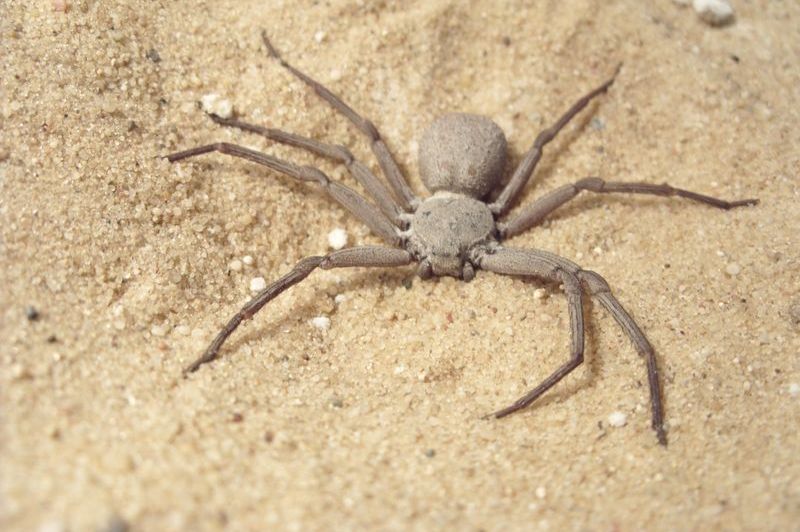
Are they dangerous?
Sicarius spiders can be potentially dangerous, mainly because their venom may damage tissue and, in rare severe cases, affect the body more broadly. That said, danger depends on two separate things: how powerful the venom is, and how likely a person is to be bitten.
For Sicarius spiders, the first issue matters, but the second is what keeps real-world risk low. These spiders usually live in dry, sandy environments in parts of South America and Africa. They spend much of their time hidden in sand, waiting for prey, rather than roaming around homes or interacting with people.
So the balanced answer is this: yes, they can be medically important spiders, but no, they are not a common everyday threat to humans.
Can they bite humans?
Yes, Sicarius spiders can bite humans, because they are venomous spiders. But bites appear to be very uncommon.
These spiders are not known for actively chasing or attacking people. Like most spiders, they are more likely to bite only if they are trapped against skin, handled, or otherwise forced into contact. Since they usually live in desert habitats and often remain buried in sand, most people will never come near one.
That makes them very different from household spiders that people may accidentally disturb indoors. Sicarius spiders are not typical home invaders, and that greatly reduces the chance of a bite.
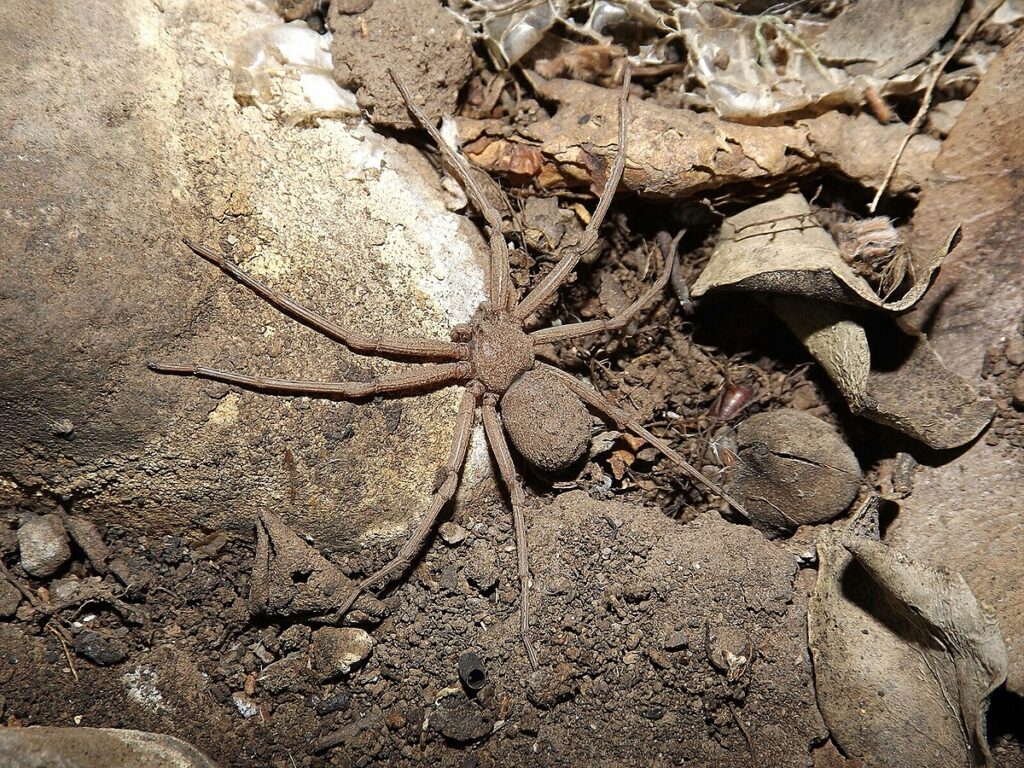
What happens if they bite?
A Sicarius bite is concerning because the venom of some species contains compounds associated with tissue damage. In plain language, that means a bite may sometimes lead to skin injury, ulcer-like lesions, or slow healing around the bite area.
In more serious cases, doctors may worry about symptoms beyond the skin, especially if the venom affects blood cells or other organs. This is why Sicarius spiders are often discussed as potentially medically significant, even though confirmed bites are rare.
Still, it is important not to overstate the risk. Not every species has the same venom profile, and not every bite leads to severe effects. The available information suggests that some species may be more dangerous than others, so it is better to avoid blanket claims such as “all Sicarius bites are deadly.” That is not a careful or accurate way to describe the risk.
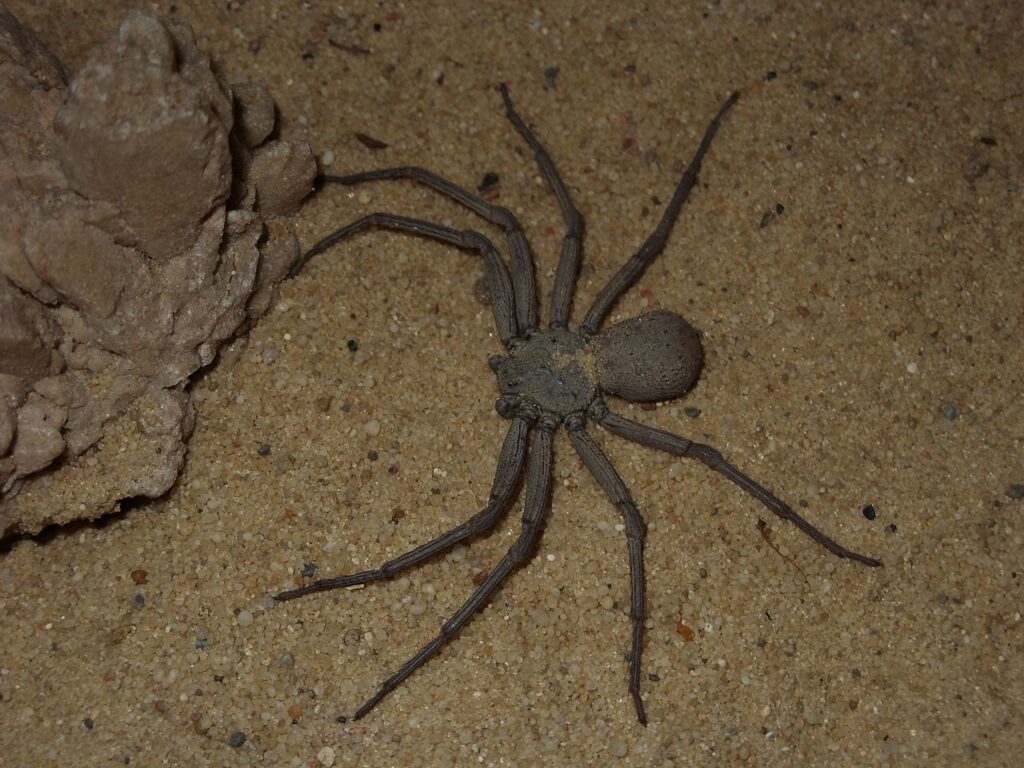
When should you worry?
You should take a possible Sicarius bite seriously if:
- the pain, swelling, or skin damage gets worse over time
- a blister, darkening skin, or an open sore develops
- you feel unwell, weak, dizzy, feverish, or notice other whole-body symptoms
- the bite happened in an area where Sicarius spiders are known to live
- the person bitten is a child, an older adult, or has other health concerns
If you suspect a bite from a Sicarius spider, wash the area gently, avoid cutting or squeezing the wound, and seek medical advice promptly. If severe symptoms appear, urgent medical attention is appropriate.
Because there is no widely available specific antivenom for these spiders, supportive medical care and wound monitoring may be especially important.
Final answer
Sicarius spiders are venomous and not harmless, and some species may be medically significant because their venom can cause serious tissue damage. However, they are not usually a high real-world danger to humans, because bites are extremely rare and these spiders generally live far from everyday human activity.
For most readers, the most accurate takeaway is simple: Sicarius spiders deserve caution and respect, but not panic. They are not spiders that most people are likely to meet, and they are not known for aggressive behavior toward humans.
- 5 FAQ questions and answers
Q1: Are Sicarius spiders poisonous or venomous?
They are venomous, not poisonous. A venomous animal injects venom through a bite or sting, while a poisonous organism is harmful when touched or eaten.
Q2: Are Sicarius spiders deadly to humans?
They are not best described as routinely deadly, but some species may have medically important venom. A bite could be serious, yet human bites are considered very rare.
Q3: Do Sicarius spiders bite often?
No. Bites appear to be uncommon. These spiders usually live in deserts, stay hidden, and do not often come into contact with people.
Q4: Are Sicarius spiders aggressive?
They are not generally considered aggressive toward humans. Like many spiders, they are more likely to bite only when disturbed, trapped, or handled.
Q5: Should I worry if I see a Sicarius spider?
You should be cautious, but not panic. Avoid touching it, keep a safe distance, and do not try to handle it with bare hands. The main risk comes from direct contact, not from the spider simply being nearby.