Grass spiders are not considered dangerous to humans. They are venomous, meaning they use venom to subdue prey, but they are not medically significant to people, and bites are uncommon.
For most readers, the practical answer is simple: grass spiders are generally harmless, shy, and more likely to run away than bite. If a bite does happen, it is usually mild and limited to minor pain, redness, or swelling.
What is a grass spider?
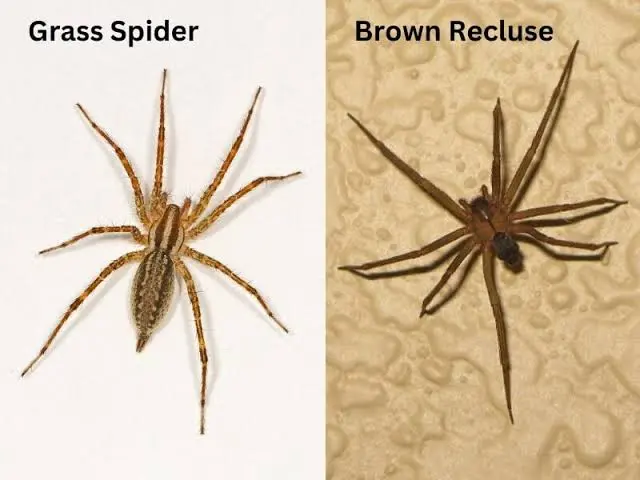
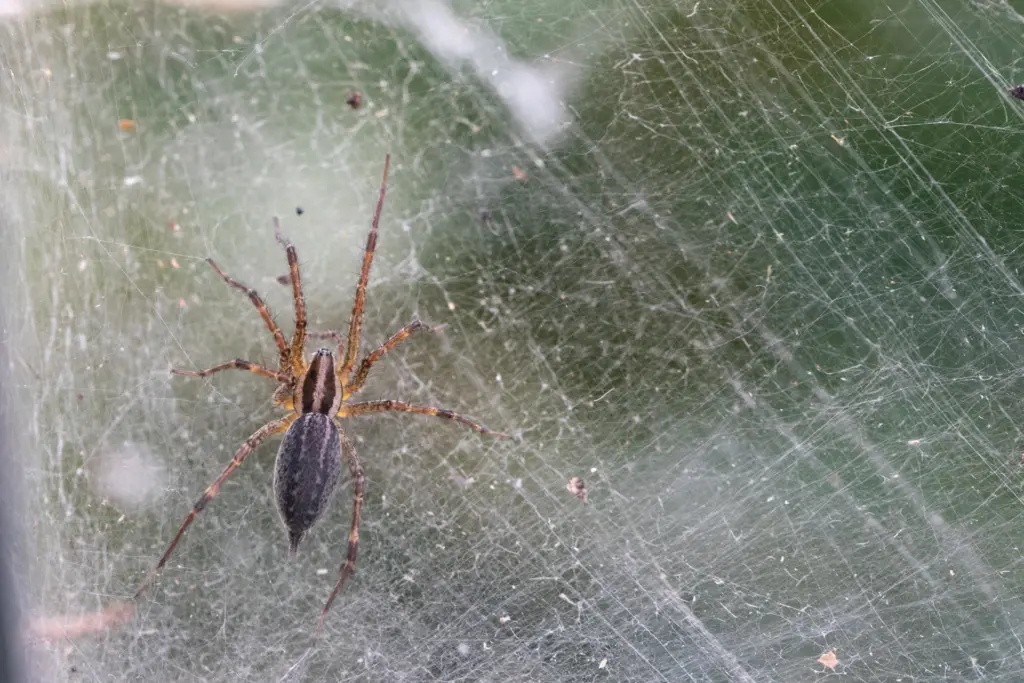
Grass spiders are common funnel weavers in the family Agelenidae, often found in lawns, low vegetation, wood piles, garden edges, and around foundations. They are best known for their flat sheet-like webs with a funnel retreat, where the spider waits for insects.
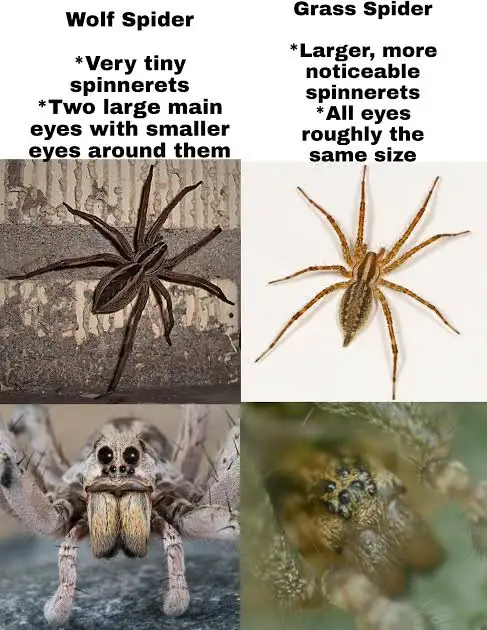
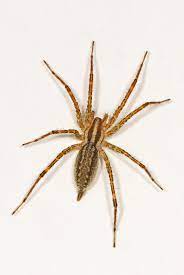
These spiders are usually brown, tan, or yellow-brown with darker stripes on the body and long, visible spinnerets extending from the rear. Because of their shape and speed, they are sometimes confused with wolf spiders or other house spiders.
Are they dangerous?
In normal everyday terms, no—grass spiders are not dangerous to people.
It helps to separate a few terms that are often mixed together:
- Venomous means an animal injects venom through a bite or sting. Grass spiders are venomous to their insect prey.
- Poisonous means harmful if touched, eaten, or absorbed. Grass spiders are not poisonous.
- Dangerous means likely to cause serious harm. Grass spiders are not considered dangerous to humans.
- Medically significant means a bite is known to cause serious symptoms that may require medical treatment. Grass spiders are not medically significant.
- Harmless can mean they pose little real risk in daily life. For most people, grass spiders are largely harmless.
So while grass spiders do have venom, that does not mean they are a serious threat to humans.
Can they bite humans?
Yes, grass spiders can bite, but this is rare.
Like most spiders, they usually bite only when they are pressed against the skin, trapped in clothing, or handled roughly. They are not aggressive and do not seek out people. In most situations, they try to escape rather than defend themselves.
If you see one in your yard or home, the safest approach is simply to leave it alone or gently move it outside with a cup and paper.
What happens if they bite?
A grass spider bite is usually mild.
Possible symptoms may include:
- brief pain or stinging
- mild redness
- slight swelling
- localized itching
These symptoms are generally limited to the bite area and often improve without medical treatment. Washing the area with soap and water, applying a cool compress, and avoiding scratching is usually enough.
There is no good reason to expect severe poisoning from a grass spider bite, and they are not known for causing serious systemic illness in healthy people.
When should you worry?
Most grass spider bites do not require a doctor. However, you should pay closer attention if:
- the pain becomes severe or keeps getting worse
- redness or swelling spreads significantly
- the area shows signs of infection, such as warmth, pus, or worsening tenderness
- you develop symptoms beyond the bite site, such as dizziness, trouble breathing, or widespread rash
- the person bitten is a small child, an older adult, or someone with a history of severe allergic reactions
In many cases, concern after a “spider bite” is actually related to skin irritation, infection, or a bite from a different insect. If you are unsure what bit you, it is reasonable to seek medical advice.
Why are grass spiders around the home or yard?
Grass spiders are usually present because an area offers shelter and insect prey. Tall grass, dense ground cover, brush piles, cracks, and outdoor clutter can all make a space attractive to them.
Their presence does not automatically mean you have a serious infestation. In many yards, they are simply part of the local ecosystem and help reduce insect numbers.
If you want to see fewer of them, practical steps include:
- mowing tall grass
- trimming dense vegetation
- clearing brush and debris
- reducing outdoor insect attractants
- sealing gaps around doors, windows, and foundations
These measures are usually more sensible than using broad pesticide treatments.
Are grass spiders beneficial?
Yes. Grass spiders are helpful predators that feed on many small insects. Outdoors, they are part of normal garden and lawn ecology. While their webs can be messy-looking in some areas, they are not destructive and usually do more good than harm.
Final answer
Grass spiders are venomous, but they are not dangerous or medically significant to humans. They can bite if trapped or threatened, but bites are uncommon and usually mild.
For most people, grass spiders are best understood as shy, low-risk spiders that help control insect populations rather than pests to fear.
5. FAQ questions and answers
1. Are grass spiders poisonous?
No. Grass spiders are not poisonous. They are venomous, which means they use venom to subdue prey through a bite.
2. Are grass spiders dangerous to humans?
No. Grass spiders are not considered dangerous to humans and are not medically significant.
3. Do grass spiders bite often?
No. Bites are uncommon and usually happen only if the spider is trapped against the skin or handled.
4. What does a grass spider bite look like?
A grass spider bite may cause mild redness, slight swelling, itching, or brief pain around the area. Serious symptoms are not typical.
5. Should I kill grass spiders in my yard?
Usually, no. Grass spiders are generally beneficial because they eat insects. If they are in an unwanted spot, moving them or reducing yard clutter is usually enough.