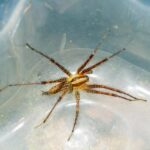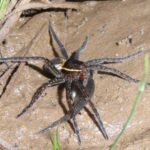
Grass spiders are not considered dangerous to humans. They are venomous in the sense that they use venom to subdue insect prey, but they are not medically significant spiders, and bites are uncommon. In most situations, they are best thought of as harmless yard and garden spiders that prefer to avoid people.
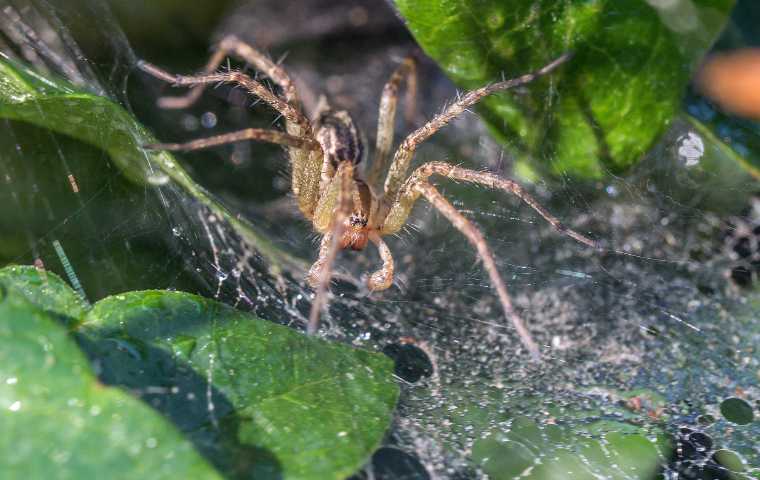
You may notice their flat sheet webs with a funnel-like retreat in grass, shrubs, window wells, or around low vegetation. These spiders are fast, shy, and useful predators that help reduce insect numbers outdoors.
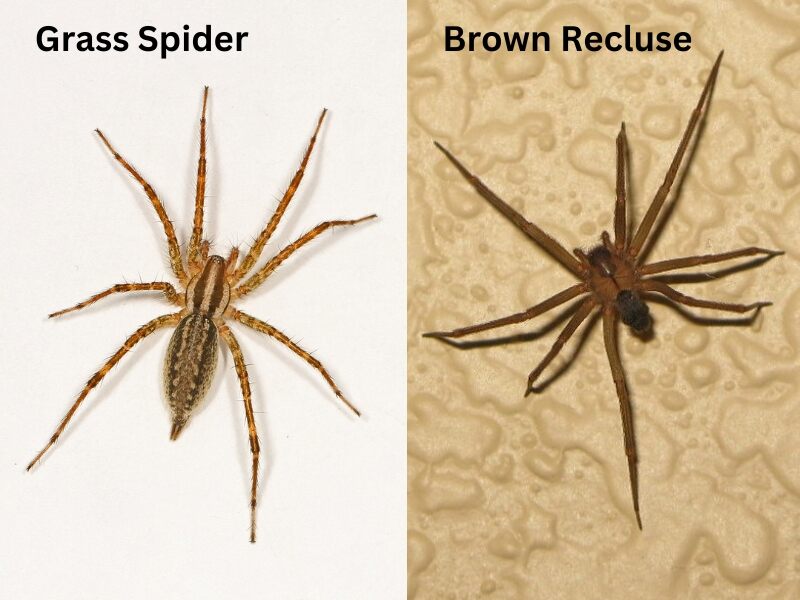
Are they dangerous?
For most people, no. Grass spiders are not aggressive, do not hunt people, and are not known for causing serious medical problems.
It helps to separate a few terms that are often mixed up:
- Venomous means an animal injects venom, usually through fangs or a sting. Grass spiders are venomous to small prey such as insects.
- Poisonous means something is harmful if eaten or touched. Grass spiders are not poisonous.
- Dangerous means likely to cause serious harm. Grass spiders are not generally dangerous to people.
- Medically significant means a bite is known to cause important or serious symptoms that may need medical attention. Grass spiders are not considered medically significant.
So while grass spiders do have venom, that does not mean they are a serious threat to humans. Many spiders use venom to catch prey, but only a small number are considered medically important.
Can they bite humans?
Yes, a grass spider can bite, but this is uncommon.
These spiders usually flee into their funnel retreat when disturbed. A bite is more likely only if a spider is pressed against the skin, trapped in clothing, or handled roughly. In ordinary outdoor encounters, they are far more likely to run away than bite.
Their fangs are designed for small prey, not for attacking large animals. Even when a bite happens, it is usually defensive and limited.
What happens if they bite?
A grass spider bite is usually mild, if it happens at all. Typical symptoms may include:
- slight redness
- mild swelling
- temporary itching
- minor pain or burning at the bite site
For many people, the reaction is similar to a small insect bite or sting and improves with basic care. Most bites do not lead to serious symptoms.
Simple first aid is usually enough:
- Wash the area gently with soap and water.
- Apply a cold compress for 10 to 15 minutes at a time.
- Avoid scratching.
- Use an over-the-counter antihistamine or pain reliever if needed and appropriate.
A true spider bite can be hard to confirm, because many skin irritations have other causes. If you did not actually see the spider bite you, it is often difficult to know for certain what caused the mark.
When should you worry?
Most grass spider encounters do not require any concern. You should pay more attention if:
- pain becomes severe or keeps worsening
- swelling spreads significantly
- the area shows signs of infection, such as warmth, pus, or increasing redness
- you develop unusual symptoms such as dizziness, trouble breathing, or widespread rash
- the person bitten is a small child, an older adult, or someone with a history of strong allergic reactions
These situations are not typical for grass spider bites, but they are good reasons to contact a medical professional.
In practical terms, the real risk from grass spiders is low. For most readers, the safest and most accurate answer is that they are not dangerous, and bites are rare and usually minor.
Why are grass spiders around homes and yards?
Grass spiders are common in lawns, garden edges, shrubs, and around buildings because these places give them shelter and easy access to insect prey. Their webs are often especially visible in the morning when dew outlines the silk.
They build a horizontal sheet web with a funnel retreat where they wait for insects to land or stumble onto the web. When something touches the silk, the spider rushes out, checks whether it is food, and then retreats quickly if it senses danger.
Because they help control insects, they are generally beneficial animals to have outdoors.
How can you avoid unwanted encounters?
If you would rather keep grass spiders away from your home, simple prevention usually works:
- keep grass and weeds trimmed
- remove dense clutter near foundations
- seal gaps around doors, windows, and vents
- clear old webs from porches, garages, and window wells
- shake out gloves, shoes, or stored items before using them
These steps reduce hiding places without treating the spider as a serious hazard.
Final answer
Grass spiders are venomous to insects but not considered dangerous to humans. They are not poisonous, not medically significant, and unlikely to bite unless cornered or pressed against the skin. For most people, they are harmless spiders that help control insect populations around yards and gardens.
5. 5 FAQ questions and answers
FAQ 1: Are grass spiders poisonous or venomous?
Grass spiders are venomous, not poisonous. They use venom to immobilize insect prey, but they are not considered a serious threat to humans.
FAQ 2: Are grass spiders dangerous to humans?
No. Grass spiders are generally not dangerous to people. They are shy, non-aggressive, and not considered medically significant.
FAQ 3: Do grass spiders bite people?
They can bite, but it is uncommon. Most bites happen only when the spider is trapped against the skin or handled roughly.
FAQ 4: What does a grass spider bite look like?
A grass spider bite may cause mild redness, slight swelling, itching, or minor pain. In many cases, symptoms are limited and go away with basic care.
FAQ 5: Should I remove grass spiders from my yard?
Usually there is no need. Grass spiders are helpful predators that reduce insect numbers. If you do not want them near the house, trimming vegetation and removing webs is usually enough.