Angulate orbweavers are not considered dangerous to people. Like most spiders, they are venomous in the technical sense because they use venom to subdue insect prey, but they are not medically significant to humans, and bites are uncommon.
These spiders are generally shy, non-aggressive, and much more interested in catching flying insects than interacting with people. For most readers, the practical answer is simple: an angulate orbweaver is usually harmless unless it is handled or pressed against the skin.
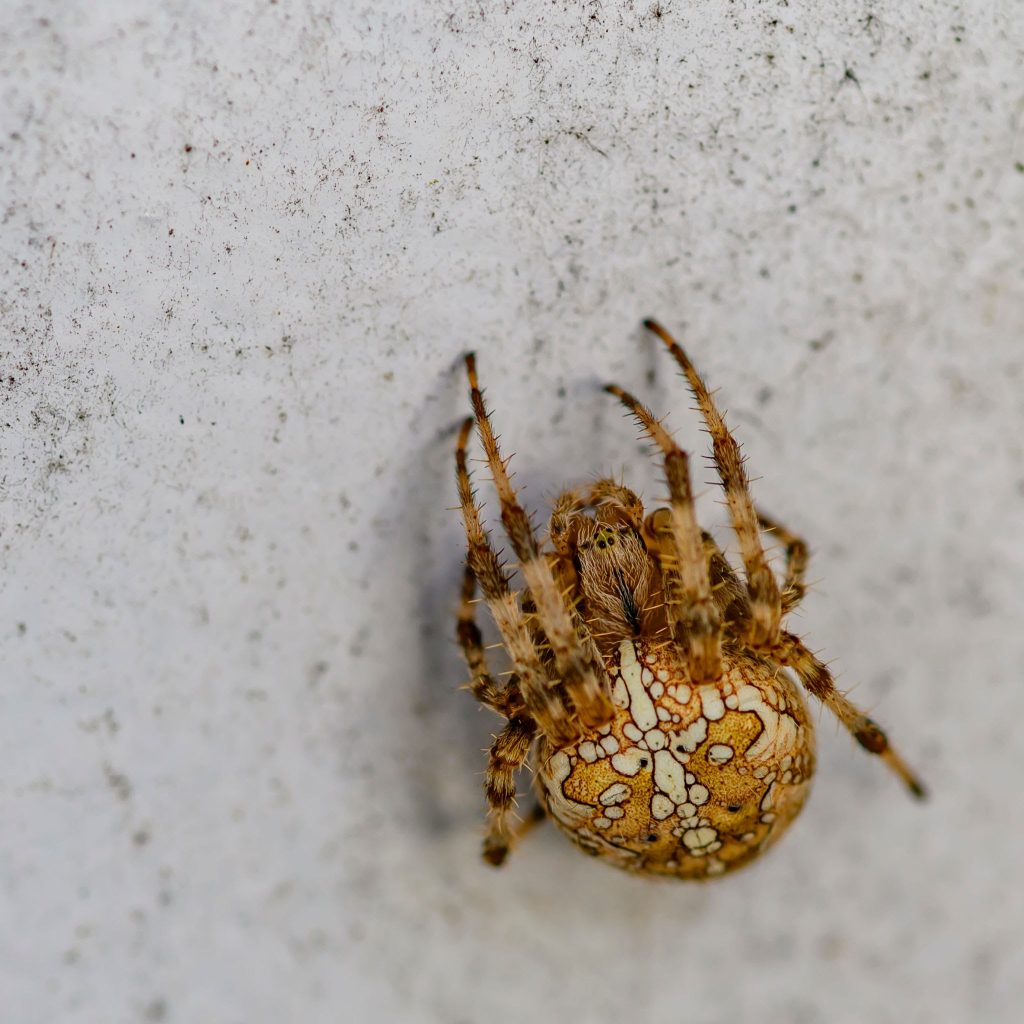
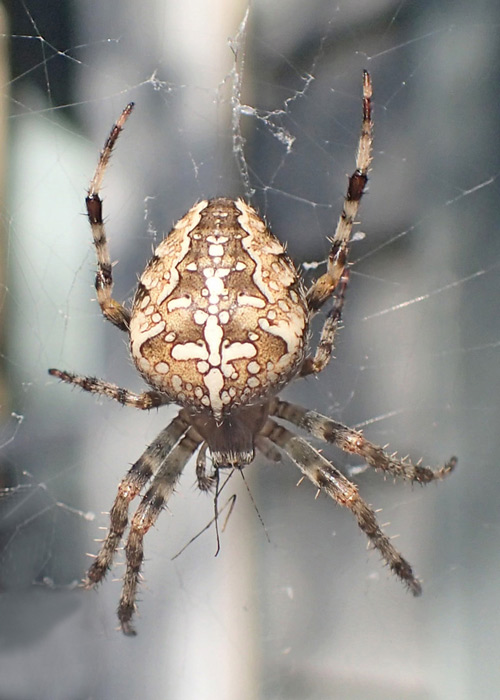
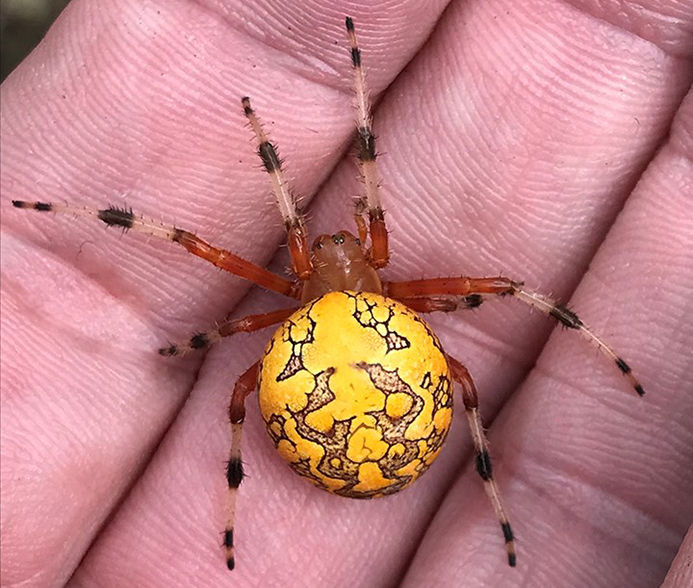
Are they dangerous?
In normal everyday situations, angulate orbweavers are not dangerous to humans.
It helps to separate a few terms that are often confused:
- Venomous means an animal injects venom, usually through fangs or a sting.
- Poisonous means harmful if touched, eaten, or absorbed.
- Dangerous means likely to cause meaningful harm.
- Medically significant means a bite can cause serious symptoms that may require professional medical care.
Angulate orbweavers are venomous, but that does not make them dangerous in the way most people mean. Their venom is adapted for small prey such as flies and moths, not for harming humans. They are also not poisonous.
These are typical orb-weaving spiders in the family Araneidae, often found in open woods, grassy areas, gardens, barns, fence lines, and around buildings where insects are plentiful. Their presence is usually more helpful than harmful because they reduce flying insect populations.
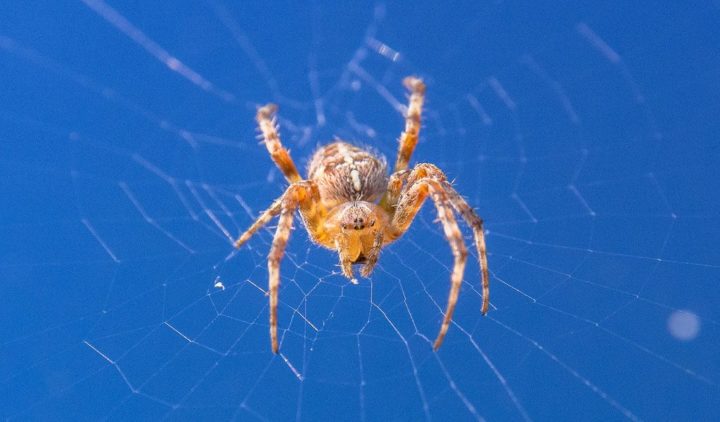
Can they bite humans?
Yes, angulate orbweavers can bite humans, but bites are uncommon.
Most orbweavers are reluctant to bite and will usually try to escape first. A bite is more likely only when the spider is:
- trapped in clothing,
- pressed against the skin,
- accidentally grabbed,
- or directly handled.
If you simply walk past one in a web, the spider is very unlikely to bite. These spiders are not known for chasing people or acting aggressively.
What happens if they bite?
When an angulate orbweaver does bite, the effects are usually mild and local.
A typical bite may cause:
- brief pain or a pinching sensation,
- mild redness,
- slight swelling,
- minor itching or irritation.
For most healthy adults, symptoms tend to stay limited to the bite area and improve on their own. Serious systemic reactions are not typical.
As with any spider bite, individual responses vary. A person with sensitive skin or an allergy may notice stronger irritation, but that is different from the spider being medically dangerous.
When should you worry?
Most bites from orbweavers do not require emergency care, but it is sensible to pay attention if symptoms seem unusual.
You should consider medical advice if:
- pain becomes severe or keeps getting worse,
- swelling spreads significantly,
- the bite area shows signs of infection,
- symptoms last longer than expected,
- or you develop signs of an allergic reaction such as trouble breathing, facial swelling, or widespread hives.
If you are unsure what bit you, or the spider was not clearly identified, caution is reasonable. Many skin problems get blamed on spiders when the real cause is something else, including irritation, infection, or another insect bite.
Final answer
Angulate orbweavers are not dangerous to humans. They are venomous but not medically significant, not poisonous, and unlikely to bite unless disturbed or pressed against the skin.
For most people, they are best understood as beneficial garden and yard spiders that help control insect populations. If you see one near your home, the real risk is low.
- 5 FAQ questions and answers
Q1: Are angulate orbweavers poisonous?
No. Angulate orbweavers are not poisonous. They are venomous, meaning they use venom to catch prey, but they are not poisonous to touch.
Q2: Are angulate orbweavers dangerous to humans?
No. They are not considered dangerous and are not medically significant to people in normal circumstances.
Q3: Do angulate orbweavers bite often?
No. Bites are uncommon and usually happen only if the spider is handled, trapped, or pressed against the skin.
Q4: What does an angulate orbweaver bite feel like?
A bite is usually described as mild and local, with minor pain, redness, or slight swelling. Serious symptoms are not typical.
Q5: Should I remove angulate orbweavers from my yard?
Usually there is no need. These spiders help control flying insects and are generally harmless if left alone.