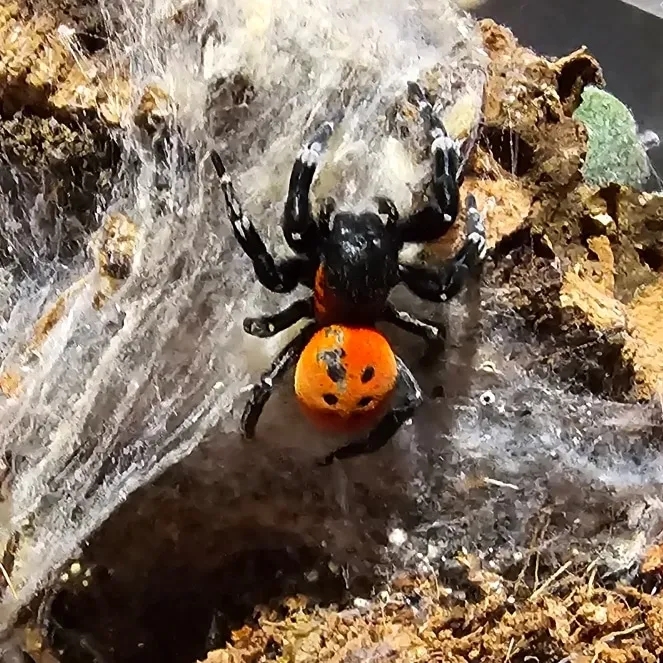
Velvet spiders are generally not considered dangerous to people, and bites are uncommon. Like most spiders, they are technically venomous because they use venom to subdue prey, but they are not usually regarded as medically significant to humans.
That distinction matters. A spider can be venomous without being dangerous in everyday life. For most keepers, the real concern with velvet spiders is not human safety, but proper care: they are delicate animals that do best when observed rather than handled.
Are they dangerous?
In practical terms, velvet spiders are low-risk pets.
They are not poisonous, which means they are not harmful if merely touched. They are venomous in the biological sense, but that does not automatically make them dangerous to people. Many spiders have venom, yet only a small number are considered medically significant.
A venomous spider delivers venom through a bite. A dangerous spider is one that poses a meaningful risk of serious harm. A medically significant spider is one whose bite may require medical attention because it can cause more than mild, local symptoms. A harmless spider, in everyday language, is one that is very unlikely to cause serious problems for people.
Velvet spiders usually fall into the low-risk category for humans. They are not known as a major medical threat, and they are generally calm, reclusive spiders that prefer staying in their enclosure or web rather than confronting people.
Can they bite humans?
Yes, velvet spiders can bite humans, but bites are not common.
Most spiders bite only when they feel trapped, pressed against the skin, or handled in a way that stresses them. Velvet spiders are not aggressive hunters of people, and they do not seek out human contact. As pets, they are far more likely to hide than to bite.
That is why handling is usually discouraged. It reduces stress on the spider and lowers the already small chance of a defensive bite. Even calm species can bite if they are startled or squeezed.
What happens if they bite?
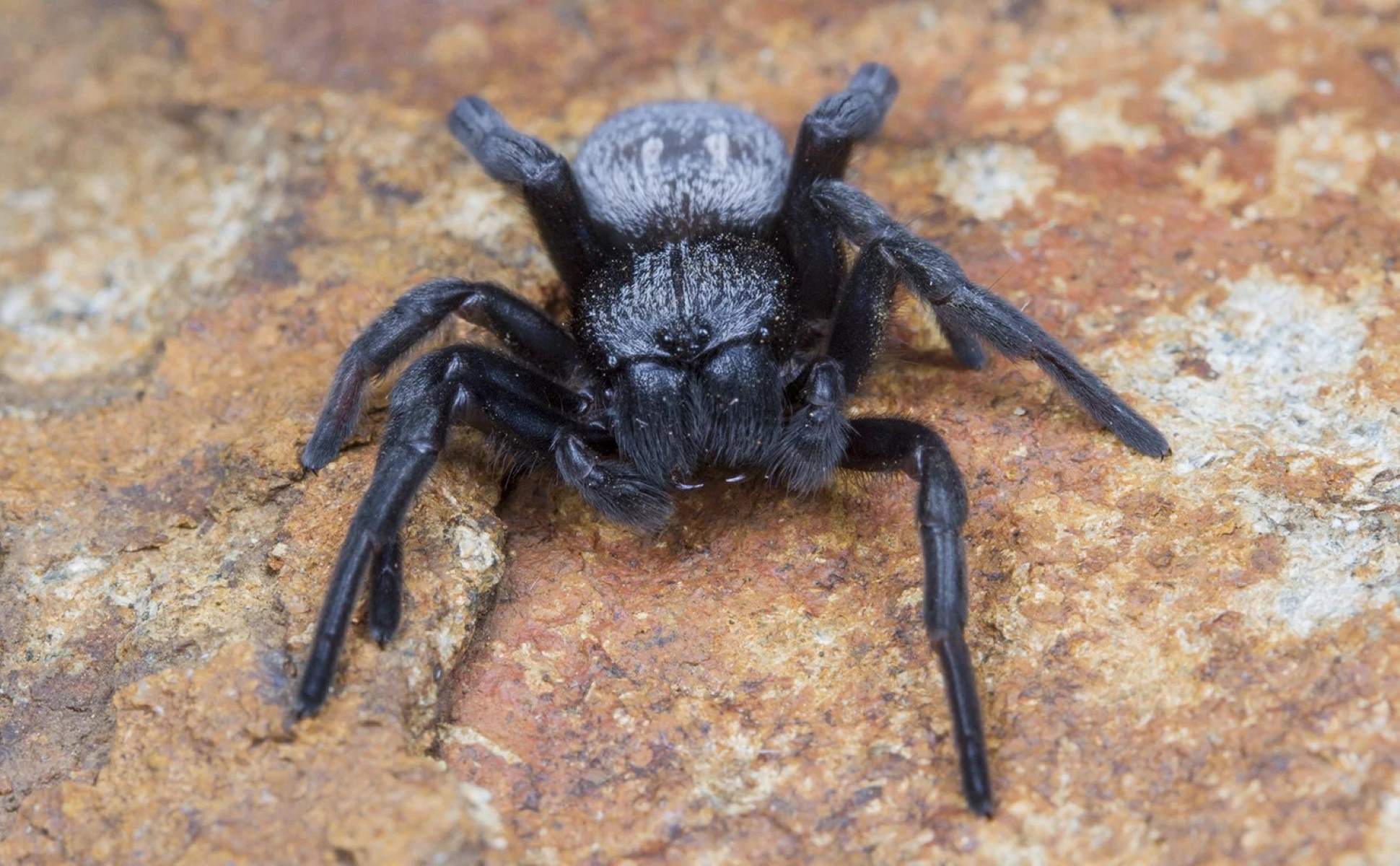
If a velvet spider does bite, the effects are usually expected to be mild and localized.
A person might notice:
- brief pain or a pinprick sensation
- mild redness
- slight swelling
- temporary irritation
For most people, that is the extent of it. The bite area can usually be washed with soap and water, and a cold compress may help with discomfort.
It is also helpful to separate terms clearly here. Venomous does not mean “severely dangerous.” In many spiders kept as pets, venom is adapted for catching small prey, not for causing serious injury to humans. That is why a bite can be unpleasant without being medically important.
When should you worry?
You should pay more attention if symptoms are stronger than expected or keep getting worse.
Seek medical advice if:
- pain becomes severe
- swelling spreads significantly
- you develop trouble breathing
- you feel dizzy, faint, or unwell
- the bite site shows signs of infection
- the spider was not clearly identified
These situations are uncommon, but they matter more than the bite itself. In many cases, the biggest problem after a spider bite is uncertainty about what bit you.
If a child, an older adult, or someone with allergies or a weakened immune system is bitten, it is reasonable to be more cautious.
Are velvet spiders good pets from a safety standpoint?
For people who want a display spider rather than a hands-on pet, velvet spiders are often considered a manageable option.
They are usually appreciated for their unusual appearance, compact size, and relatively calm behavior. Some species are hardy in captivity when their enclosure is kept dry and well ventilated. However, they are still best treated as animals to observe, not handle.
That approach is safer for both the keeper and the spider. Handling increases stress, raises the chance of escape, and can injure a small spider far more easily than many people realize.
Final answer
Velvet spiders are venomous, but they are not usually considered dangerous or medically significant to humans. They can bite if stressed or handled, but bites appear to be uncommon and are generally expected to cause only mild, local symptoms.
If you keep a velvet spider as a pet, the safest and most sensible approach is simple: avoid handling, respect its space, and focus on proper care. For most people, velvet spiders are a low-risk pet spider rather than a serious safety concern.
5. 5 FAQ questions and answers
1. Are velvet spiders poisonous?
No. Velvet spiders are not poisonous. They are venomous, which means they use venom through a bite to subdue prey.
2. Are velvet spiders dangerous to humans?
Usually no. They are generally considered low-risk and are not commonly treated as medically significant to humans.
3. Do velvet spiders bite often?
No. Bites are uncommon. Like most spiders, they are more likely to hide than to bite unless they feel trapped or threatened.
4. What should I do if a velvet spider bites me?
Wash the area with soap and water, apply a cold compress if needed, and monitor symptoms. Get medical advice if pain becomes severe, swelling worsens, or you develop unusual symptoms.
5. Are velvet spiders safe as pets?
For most keepers, yes, as long as they are treated as observation pets rather than handling pets. The best safety practice is to avoid unnecessary handling and maintain proper enclosure conditions.