10 Facts About Black Widow Spiders
Black widow spiders are intriguing creatures that have long been the topic of fascination and fear. Known for their deadly reputation, these arachnids are found in various parts of the world, including North and South America. In this article, we will explore 10 fascinating facts about black widow spiders that you may not know.
How poisonous are widow spiders?
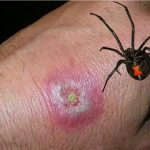
The Black Widow Is A Venomous Spider- But Is It Dangerous? It is widely known that the black widow spider delivers a potent venom that can cause death. Some claim that it is 15 times more powerful than the venom of a rattlesnake.
But, what is not so widely known is that black widow spider bites hardly ever lead to death here in the United States. While the venom from this spider is powerful, it is meant to take down much smaller creatures than a human. But, that does mean it doesn’t hurt. A bite from a black widow can be quite painful. And the symptoms associated with black widow spider bites are unpleasant, to say the least.
So, “how dangerous is a black widow spider?” It depends on your definition of dangerous. If your definition of “dangerous” is something that can kill you, the black widow spider isn’t all that dangerous. Here in the U.S., where there is quick and easy access to medical care, the critical symptoms caused by this spider can be avoided.
Identification and Physical Characteristics of Black Widow Spiders
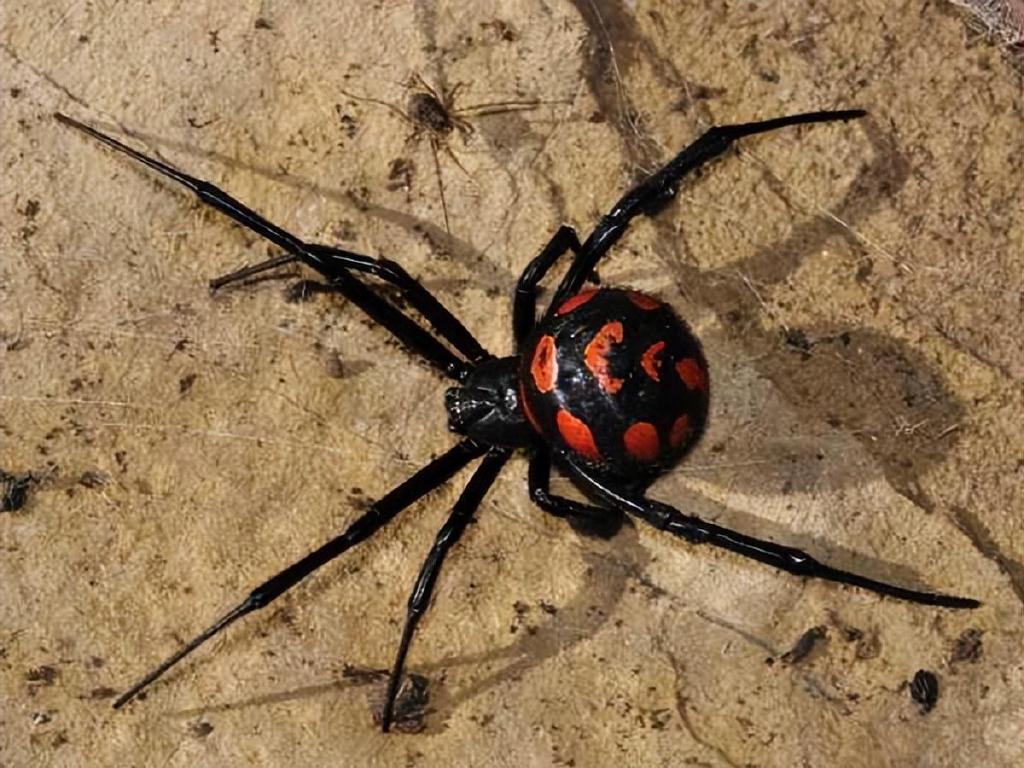
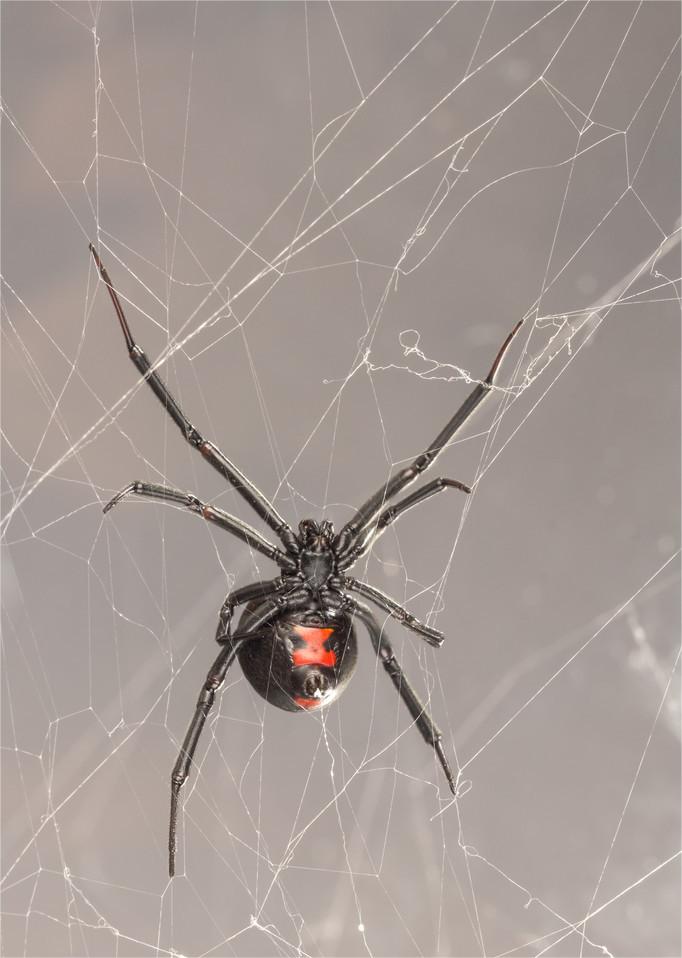
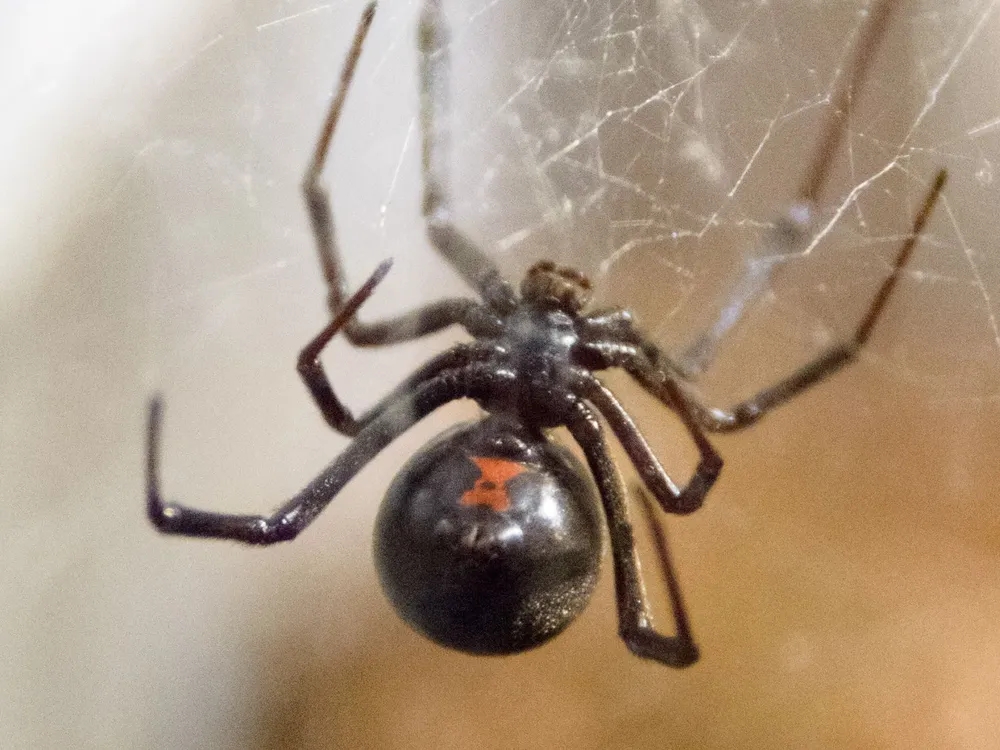
Black widow spiders are easily identifiable by the red hourglass-shaped mark on their abdomen. This distinctive marking serves as a warning to potential predators and is a clear indication of their venomous nature. However, it is important to note that not all black widows have this hourglass marking. Some may have red dots or no marking at all. The body of a black widow spider is typically black or dark brown in color, with a shiny appearance.
Black widows are known for their unique shape. The females are larger than the males, with an average size of around 1.5 inches, including their legs. The males, on the other hand, are much smaller, measuring only about half an inch. Their bodies are elongated and slender, with long legs and a round abdomen.
Black widow spiders have eight eyes arranged in two rows, giving them a wide field of vision. However, their eyesight is not very sharp, and they primarily rely on vibrations in their webs to detect prey or potential threats.
fun facts about black widow spiders
Black widows are poisonous arachnids—animals that have a skeleton outside their body, a segmented body, and eight jointed legs. They are not insects. Their deadly poison is said to be 15 times stronger than rattlesnake venom.
Black widows use a silk-like substance to weave tangled-looking webs, typically close to the ground in covered or dark places, such as near drain pipes or under logs. The female hangs upside down in the web to await her prey, exposing her bright markings as a warning to potential predators.
The black widow senses vibrations to the web. When an unlucky intruder gets trapped, the spider immediately begins weaving its glue-like webbing around it. Insects such as flies, mosquitoes, or even larger prey like grasshoppers are typically caught. Once captured, the black widow injects its victims with poison, paralyzing them.
Habitat and Distribution of Black Widow Spiders
Black widow spiders can be found in a variety of habitats, including deserts, forests, and urban areas. They prefer dark and sheltered areas, such as woodpiles, garages, and basements. These spiders build their webs close to the ground, often in protected corners or crevices. The silk they use to construct their webs is exceptionally strong and sticky, allowing them to capture their prey effectively.
Black widow spiders are native to North and South America, with different species found in different regions. In North America, the most common species is the Southern black widow (Latrodectus mactans), which is found in the southeastern United States. In South America, the black widow species known as Latrodectus curacavensis is prevalent.
Venom and the Danger Posed by Black Widow Spiders
Contrary to popular belief, male black widow spiders are not as dangerous as their female counterparts. It is the female black widow that possesses venom potent enough to harm humans. When a female black widow bites, it injects a neurotoxic venom into its prey or potential threat. This venom affects the nervous system, causing severe muscle pain, cramps, and even respiratory distress in humans.
Black widow spiders are not aggressive and only bite when they feel threatened. Their bites are usually a defensive mechanism to protect themselves or their eggs. The severity of the symptoms caused by a black widow bite can vary depending on the individual’s sensitivity to the venom and the amount injected. While black widow spider bites can be painful and alarming, they rarely result in death, as they are highly treatable with antivenom.
Reproduction and Behavior of Black Widow Spiders
Black widow spiders have a unique reproductive behavior that has led to their infamous name. After mating, the female black widow often devours the male. This behavior, known as sexual cannibalism, serves as a source of nutrition for the female, ensuring the survival of her offspring. However, not all females engage in this behavior, and it is more common in captivity than in the wild.
Female black widows lay their eggs in sacs made of silk, which they guard fiercely. These sacs can contain hundreds of eggs, and the female will protect them until they hatch. The young spiders, known as spiderlings, go through several molts as they grow and develop into adults. This process can take several months, and the spiderlings may disperse after reaching maturity.
Predators and Natural Enemies of Black Widow Spiders
Black widow spiders have relatively few natural predators due to their venomous nature. However, some creatures are immune to their venom or have developed ways to prey on them. One such predator is the spider wasp, which is known to paralyze black widow spiders and lay their eggs on them. When the eggs hatch, the wasp larvae feed on the immobilized spider, eventually killing it.
Birds, such as the black-headed grosbeak, have also been observed preying on black widow spiders. These birds are known to peck open the spider’s abdomen and consume the less toxic parts, leaving the venomous portions untouched.
Myths and Misconceptions about Black Widow Spiders
Black widow spiders have garnered a reputation as deadly and aggressive creatures. However, this is largely a result of misconceptions and myths surrounding them. While it is true that black widow spiders possess venom that can harm humans, they are not actively seeking to bite or attack people. They only bite when they feel threatened or cornered.
The belief that all female black widows kill and eat their mates is also a myth. While sexual cannibalism does occur in some cases, it is not a universal behavior among black widow spiders. Furthermore, female black widows are more likely to exhibit this behavior in captivity than in the wild.
Interesting Facts about Black Widow Spiders
- Black widow spiders are known for their distinctive cobweb silk, which is one of the strongest natural fibers known to man. It is stronger than steel of the same thickness and can absorb a considerable amount of energy without breaking.
- Despite their venomous reputation, black widow spider bites rarely result in death, as they are highly treatable with antivenom. Prompt medical attention is crucial in managing the symptoms and preventing complications.
- Black widow spiders play a vital role in controlling insect populations, making them beneficial to the ecosystem. They help keep the population of pests in check, reducing the need for chemical pesticides.
Tips for Dealing with Black Widow Spiders
If you live in an area where black widow spiders are prevalent, there are several steps you can take to minimize the risk of encounters:
- Keep your surroundings clean and clutter-free. Remove any debris or objects that could serve as hiding spots for spiders.
- Seal any cracks or openings in your home to prevent spiders from entering.
- Shake out clothing and shoes before wearing them, especially if they have been stored for a long time.
- Use caution when handling firewood or other materials that may be infested with spiders.
- If you suspect a black widow spider infestation, contact a professional pest control service to safely remove them.
10 Fascinating Facts About Black Widow Spiders
Black widow spiders are feared for their potent venom, and rightfully so, to some degree. But much of what you think is true about the black widow is probably more myth than fact.
Interesting Things About Black Widow Spiders
These 10 fascinating facts about black widow spiders will teach you how to identify them, how they behave, and how to minimize your risk of being bitten.
They Aren’t Always Black
When most people talk about the black widow spider, they likely think they’re referring to a particular spider species. But in the U.S. alone, there are three different kinds of black widows (northern, southern, and western).
And although we tend to refer to all members of the genus Lactrodectus as black widows, widow spiders aren’t always black. There are 31 species of Lactrodectus spiders worldwide. In the U.S., these include a brown widow and a red widow.
Only Adult Females Inflict Dangerous Bites
Female widow spiders are larger than males. It is believed, therefore, that female black widows can penetrate vertebrate skin more effectively than males and inject more venom when they bite.
Nearly all medically significant black widow bites are inflicted by female spiders. Male widow spiders and spiderlings are rarely a cause for concern, and some experts even say they don’t bite.
Females Rarely Eat Their Mates
Lactrodectus spiders are widely thought to practice sexual cannibalism, where the smaller male is sacrificed after mating. In fact, this belief is so widespread the term “black widow” has become synonymous for femme fatale, a kind of seductress who lures men with the intention of bringing harm to them.
But studies show that such behavior is actually quite rare in widow spiders in the wild, and even uncommon among captive spiders. Sexual cannibalism is actually practiced by quite a few insects and spiders and is not unique to the often maligned black widow.
Most Can Be Identified by a Red Hourglass Marking
Nearly all black widow females bear a distinct hourglass-shaped marking on the underside of the abdomen. In most species, the hourglass is bright red or orange, in sharp contrast to its shiny black abdomen.
The hourglass may be incomplete, with a break in the middle, in certain species like the northern black widow (Lactrodectus variolus). However, the red widow, Lactrodectus bishopi, does not have an hourglass marking, so be mindful that not all widow spiders are identified by this feature.
Spiderlings Don’t Resemble Adult Black Widows
Widow spider nymphs are mostly white when they hatch from the egg sac. As they undergo successive molts, the spiderlings gradually darken in color, from tan to gray, usually with white or beige markings.
Female spiderlings take longer to reach maturity than their brothers but eventually turn dark black and red. So that drab, pale little spider you found just might be a widow spider, albeit an immature one.
They Make Cobwebs
Black widow spiders belong to the spider family Theridiidae, commonly called the cobweb spiders. These spiders, black widows included, construct sticky, irregular silk webs to ensnare their prey.
Members of this spider family are also referred to as comb-foot spiders because they have a row of bristles on their back legs to help them wrap silk around their prey. But no need to worry. Although they are closely related to the house spiders building cobwebs in the corners of your home, black widows rarely come indoors.
Females Have Poor Eyesight
Black widows rely on their silk webs to “see” what’s going on around them because they can’t see very well. The black widow female usually hides in a hole or crevice and builds her web as an extension of her hiding spot. From the safety of her retreat, she can feel the vibrations of her web when either prey or predator comes in contact with the silk threads.
Male widow spiders looking for mates use this to their advantage. The male black widow will cut and rearrange the female’s web, making it difficult for her to sense what’s happening, before carefully approaching her to mate.
Their Venom Is 15 Times as Toxic as a Prairie Rattlesnake’s
Widow spiders do pack a powerful punch of neurotoxins in their venom. By volume, Lactrodectus venom is an extremely toxic mix of poisons capable of causing muscle cramps, severe pain, hypertension, weakness and sweating in bite victims.
But black widow spiders are significantly smaller than rattlesnakes, and they’re built for subduing other small invertebrates, not large mammals like people. When a black widow spider bites a person, the volume of neurotoxins injected in the victim is small.
Their Bites Are Rarely Fatal
Although black widow bites can be painful and require medical treatment, they are very rarely fatal. In fact, the majority of black widow bites cause only mild symptoms, and many bite victims don’t even realize they were bitten.
In a review of over 23,000 documented Lactrodectus envenomation cases that occurred in the U.S. from 2000 to 2008, the study authors noted that not a single death occurred as a result of a black widow bite. Only 1.4% of bite victims suffered “major effects” of black widow venom.
Most Bites Used to Occur in Outhouses
Black widows don’t often invade homes, but they do like to inhabit human-built structures like sheds, barns, and outhouses. And unfortunately for those who lived before the water closet was commonplace, black widows like to retreat under the seats of outdoor privies, perhaps because the smell attracts so many delicious flies for them to catch.