What Do Tarantulas Eat? A Practical Pet Tarantula Care Guide
Pet tarantulas mainly eat appropriately sized live invertebrate prey such as crickets, roaches, locusts and insect larvae. But feeding is only one part of good tarantula husbandry. The right enclosure, ventilation, substrate, hydration and feeding schedule depend on the species, its size, life stage and whether it is terrestrial, fossorial or arboreal.
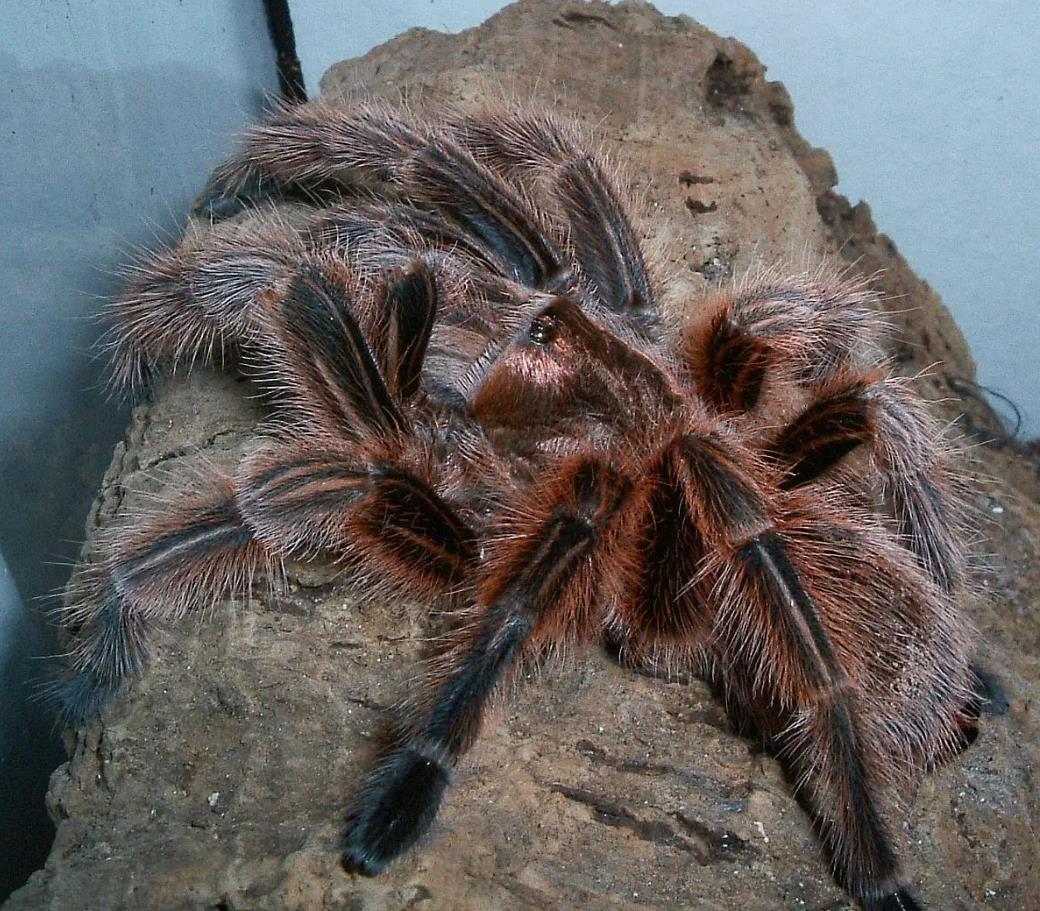
What Do Pet Tarantulas Eat?
For most pet tarantulas, the practical answer is live feeder invertebrates. Crickets and captive-raised roaches are commonly used, while locusts, mealworms and other suitable insect larvae may also be offered depending on availability and the size of the spider.
Tarantulas are spiders, not insects. They belong to the family Theraphosidae within the mygalomorph lineage. If you want more background on how tarantulas differ from many familiar web-building spiders, see Spiderpedia’s guide to Mygalomorphae.
A feeder should come from a reliable captive source whenever possible. Wild-caught insects can introduce an avoidable risk of pesticide exposure, parasites or other contaminants.
| Food | Suitable? | Practical note |
|---|---|---|
| Crickets | Commonly used | Widely available and accepted by many species. Remove uneaten crickets, especially before or during molting. |
| Captive-raised roaches | Commonly used | Appropriate species and prey size can make them a useful feeder option. |
| Locusts | Often suitable | Availability and legality vary by country or region. |
| Mealworms and similar larvae | Can be used | Offer an appropriate size and make sure uneaten larvae cannot remain hidden in the substrate. |
| Wild-caught insects | Best avoided | They may have encountered pesticides, parasites or other environmental contaminants. |
| Vertebrate prey | Usually unnecessary | Large wild tarantulas may occasionally capture small vertebrates, but this does not make vertebrate prey a routine requirement for a pet tarantula. |
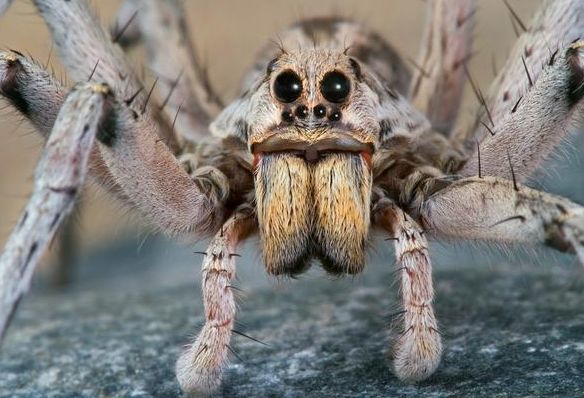
What Do Tarantulas Eat in the Wild?
Wild tarantulas are predators. Depending on species, body size and habitat, their prey may include crickets, beetles, grasshoppers, cockroaches, moths, other spiders and many other invertebrates.
Some large tarantulas are capable of overpowering small frogs, lizards or other vertebrates when an opportunity occurs. The famous name “bird-eating spider,” however, should not be interpreted to mean that birds form the normal diet of every large tarantula.
Hunting style also varies. Some tarantulas spend much of their time close to a burrow and ambush prey that comes within range. Arboreal species use retreats and elevated structures above the ground. These ecological differences are one reason a universal care sheet cannot accurately cover every tarantula species.
For a broader look at spider feeding strategies, visit the Spider Diet section.
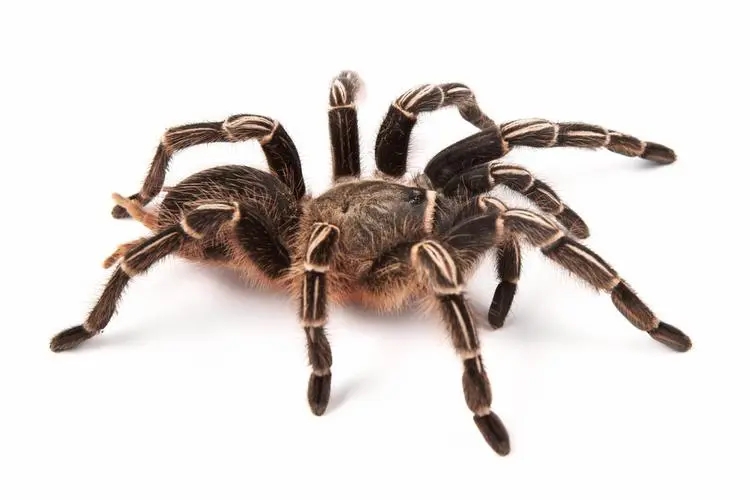
How Often Should You Feed a Tarantula?
There is no feeding calendar that works for every tarantula. Age, species, size, temperature, recent meals, reproductive condition and molting state can all change feeding behavior.
As a practical starting point, growing juveniles are often offered appropriately sized prey more frequently than mature adults. Many adult tarantulas are offered food roughly once a week or at longer intervals, but the spider’s body condition and feeding response matter more than forcing it to eat on a fixed day.
Tarantulas can tolerate irregular prey availability better than many mammals, but that does not justify deliberately testing how long a pet can survive without food. Spiderpedia discusses the biological difference between normal fasting and starvation in Can Spiders Survive Without Food?
How Large Should the Feeder Insect Be?
Choose prey the tarantula can overpower without unnecessary risk. A small juvenile should not be expected to tackle the same prey as a large adult. If you are unsure, using a smaller feeder is generally more conservative than offering an unusually large, defensive prey animal.
Do not assume that a tarantula must eat simply because food has been placed in its enclosure. If prey is repeatedly ignored, remove it and reassess later.
This is particularly important with crickets and other active feeders. An uneaten insect may disturb a resting spider and can become dangerous when the tarantula is vulnerable during a molt.
Should You Feed a Tarantula Before or After Molting?
Tarantulas grow by shedding their old exoskeleton. Many reduce activity and refuse food as a molt approaches. A tarantula may also lie on its back while molting, which is normal and should not be mistaken for death.
When premolt behavior is suspected, remove uneaten live prey. Do not try to force-feed the spider and avoid unnecessary disturbance.
After the molt, the new exoskeleton and fangs need time to harden. The required time is not identical for every spider: a small juvenile can harden faster than a large adult. Rather than relying on one fixed number of days, wait until the tarantula has recovered normally and the fangs have hardened before resuming feeding.
Do Tarantulas Need Water?
Yes. Do not assume that prey alone provides all the water a captive tarantula needs.
An appropriately sized, stable water dish should be kept clean and supplied with fresh water for most juvenile and adult tarantulas. The enclosure’s moisture level should then be managed according to the needs of the actual species.
This distinction matters because drinking water and enclosure humidity are not the same thing. A species from a seasonally dry environment should not automatically be kept on permanently saturated substrate simply because another tarantula originates from a more humid habitat.
Excessive moisture combined with inadequate airflow can encourage mold and poor enclosure conditions. At the opposite extreme, allowing an enclosure to become excessively dry can create dehydration risk.
How to Set Up a Pet Tarantula Enclosure
Before choosing an enclosure, identify the tarantula as accurately as possible and determine whether it is primarily terrestrial, fossorial or arboreal.
Enclosure height deserves particular attention. Heavy terrestrial tarantulas can be badly injured if they fall onto a hard object or from unnecessary height. Arboreal species, by contrast, need vertical space and climbing or retreat structures.
Avoid filling the enclosure with sharp rocks, unstable decorations or other objects that could injure the spider.
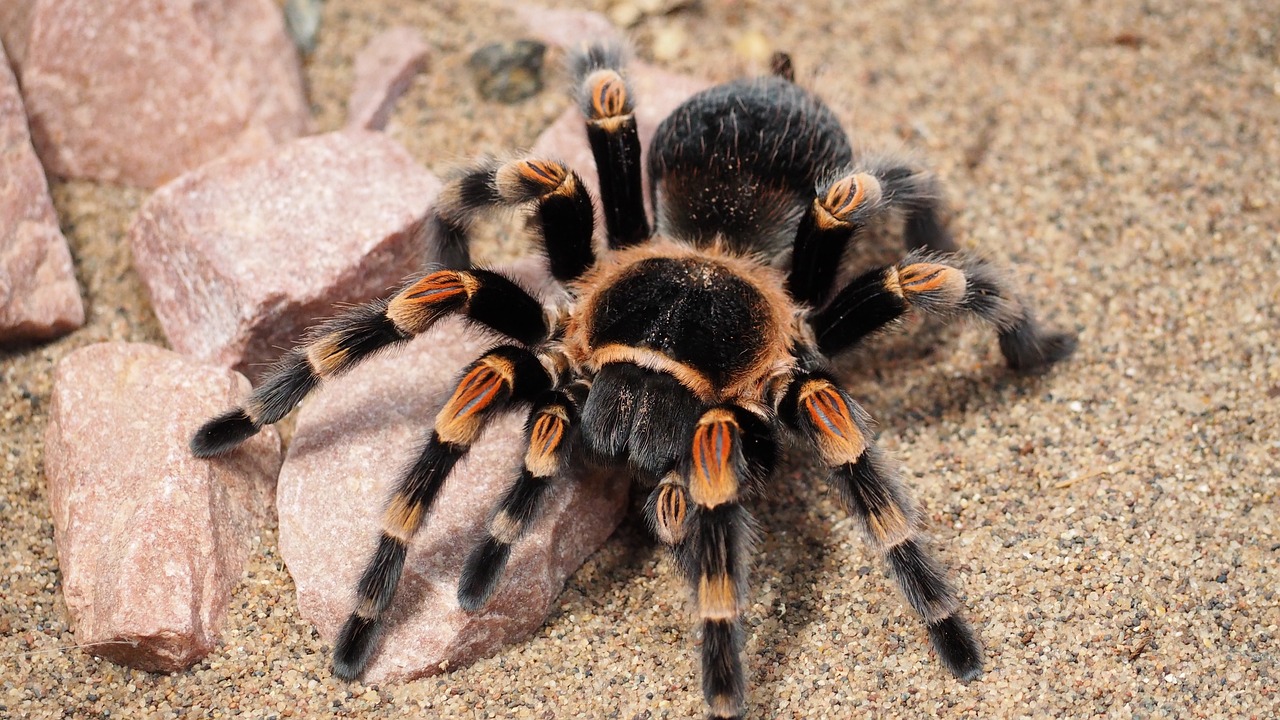
What Temperature and Humidity Does a Tarantula Need?
There is no scientifically useful single temperature or humidity percentage for all tarantulas. Theraphosidae includes species from very different climates and microhabitats.
The safest approach is to identify the species and use husbandry information specific to that animal. Pay attention to ventilation, substrate moisture, access to water and the temperature of the room as a complete system rather than chasing one humidity-gauge number.
Supplemental heat should not be added automatically. If environmental heating is genuinely required for a particular species or a cold room, it should be controlled and arranged so the spider cannot become trapped against an excessively hot surface.
Should You Handle a Pet Tarantula?
A tarantula is best treated as an animal to observe rather than an animal that needs routine handling.
Handling creates risks for both the keeper and the spider. A frightened tarantula may run, bite or use defensive hairs depending on the species. More importantly, a heavy-bodied terrestrial tarantula can suffer a serious abdominal injury if it falls.
Many New World tarantulas possess urticating hairs that can irritate skin, mucous membranes and especially eyes. Other species rely more heavily on defensive postures and biting. The medical effects of bites are not identical across all tarantula species, so the common statement that every tarantula bite is simply equivalent to a bee sting is too broad.
Are Tarantulas Good Pets for Beginners?
Tarantulas can have relatively low day-to-day maintenance requirements, but that does not mean every species is suitable for a first-time keeper.
A prospective owner should be comfortable with:
- keeping and offering live feeder insects;
- maintaining a secure species-appropriate enclosure;
- observing rather than routinely handling the animal;
- recognizing normal molting and food refusal;
- maintaining access to clean water;
- researching the exact species before purchase;
- committing to an animal that may live for many years.
Females of some species can live much longer than males, so lifespan should be considered before acquiring one.
Common Tarantula Feeding Mistakes
- Using a rigid feeding schedule. A spider’s condition, life stage and molting cycle matter more than a calendar.
- Leaving live prey with a molting spider. Remove uneaten insects when premolt behavior is suspected.
- Offering prey that is unnecessarily large. Choose a manageable feeder size.
- Collecting feeder insects outdoors. Pesticide or parasite exposure may be impossible to know.
- Assuming food provides enough water. Maintain clean drinking water.
- Trying to make the enclosure universally “humid.” Moisture requirements vary substantially among species.
- Panicking when a healthy tarantula skips a meal. Food refusal is common around molting and can occur for other normal reasons.
Frequently Asked Questions
What is the best food for a pet tarantula?
Appropriate captive-raised feeder insects are the practical staple for most pet tarantulas. Common options include crickets, roaches, locusts and suitable insect larvae. The prey should be appropriate for the spider’s size.
How often do tarantulas need to eat?
There is no universal schedule. Growing juveniles generally eat more frequently than mature adults. Many adults are offered prey about weekly or at longer intervals, but species, body condition, temperature and molting state should guide the schedule.
Can a tarantula go a long time without eating?
Some tarantulas can undergo extended periods of food refusal, especially around molting, but there is no single safe fasting period for all species. Water availability, age, species, temperature and previous nutrition all matter.
Should I feed a tarantula when it is molting?
No. Remove live prey and avoid disturbing an actively molting tarantula. After the molt, allow the new exoskeleton and fangs to harden before feeding again.
Do tarantulas need a water dish?
Most juvenile and adult pet tarantulas should have access to a clean, appropriately sized water dish. Humidity requirements should be managed separately according to species.
Can I feed my tarantula insects from outside?
Captive-raised feeder insects are a safer choice because the pesticide, parasite and contaminant exposure of a wild-caught insect is usually unknown.
Do tarantulas need heat lamps or heating mats?
Not automatically. Temperature requirements depend on the species and the ambient room conditions. Avoid uncontrolled heating and research the needs of the exact species you keep.
Is it safe to hold a pet tarantula?
Routine handling is unnecessary and is generally best avoided. Apart from bites or defensive hairs, falling can seriously injure a heavy-bodied tarantula.
Sources and Further Reading
This guide is written as general educational information. Tarantula husbandry varies by species, so species-specific care information should always take priority over generalized internet advice.
- Royal Veterinary College, Beaumont Sainsbury Animal Hospital — Tarantula Care, reviewed November 2023.
- Smithsonian’s National Zoo and Conservation Biology Institute — Pink-toed Tarantula.
- Smithsonian’s National Zoo and Conservation Biology Institute — Goliath Bird-eating Tarantula.
- Association of Zoos and Aquariums / University of Nebraska-Lincoln — Mexican Red-kneed Tarantula Care Manual.
- Merck Veterinary Manual — Spider and Scorpion Bites and Stings to Animals, reviewed April 2026.