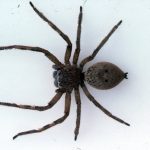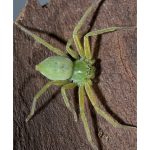
Huntsman spiders, also known as giant crab spiders, are notorious for their impressive size and unique physical features. These arachnids belong to the family Sparassidae and are characterized by their elongated bodies and long legs. Let’s delve deeper into the anatomy and physical characteristics that make huntsman spiders so fascinating.
How big is a fully grown huntsman spider?
On average, a huntsman spider’s leg-span can reach up to 15 cm (5.9 in), while their bodies measure about 1.8 cm (0.7 in) long. Like most spiders, Sparassidae use venom to immobilize prey.
First and foremost, huntsman spiders have eight legs, just like all other spiders. However, what sets them apart is their leg span, which can vary greatly depending on the species. While most huntsman spiders have a leg span ranging from 4 to 12 inches, some species, such as the Giant Huntsman Spider (Heteropoda maxima), can reach astonishing lengths of up to 12 inches.
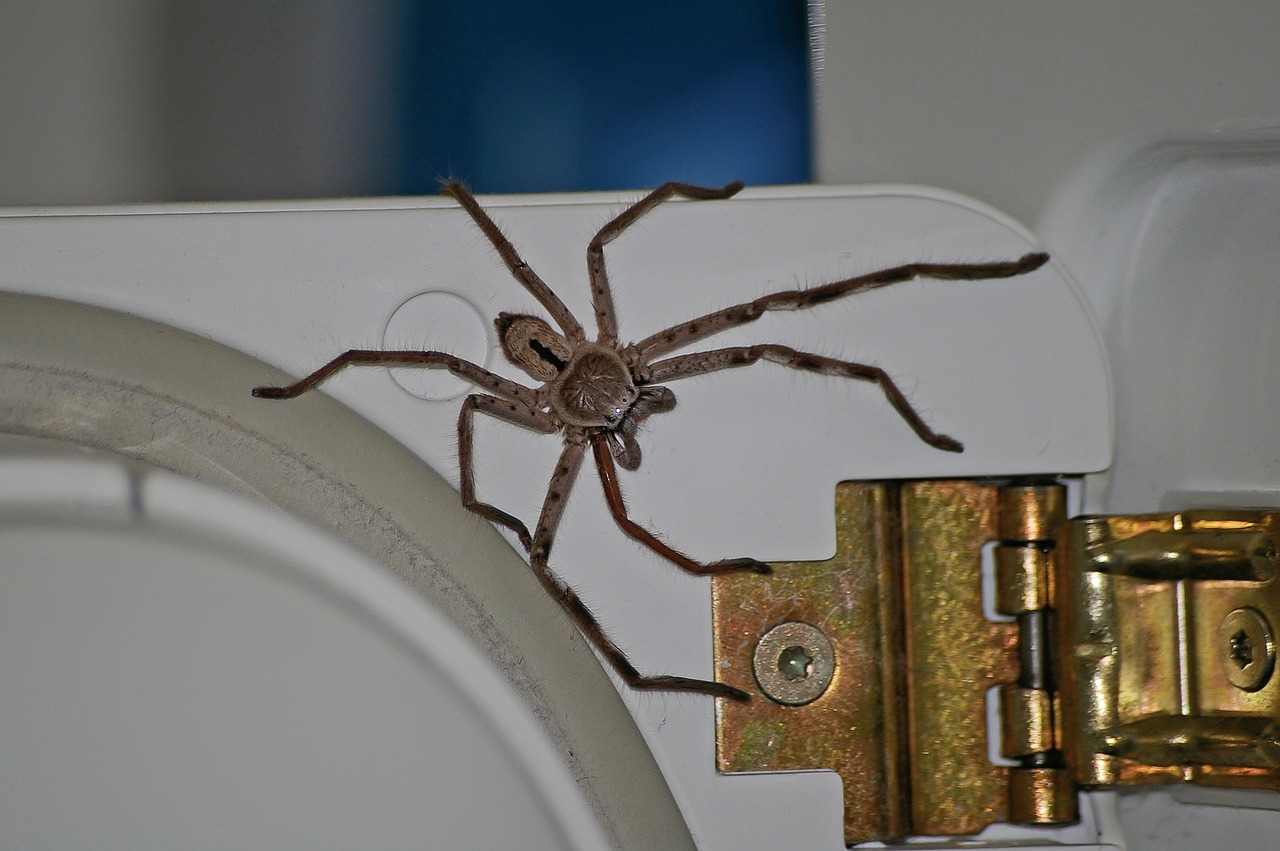
Aside from their impressive leg span, huntsman spiders have distinct physical features that aid in their survival. Their bodies are flat and elongated, allowing them to squeeze into narrow crevices and hide easily. This body shape also enables them to move swiftly and with agility, making them formidable predators.
Common Species of Huntsman Spiders and Their Sizes
Huntsman spiders belong to the family Sparassidae, which consists of numerous species found across different regions of the world. While there are many species of huntsman spiders, some are more common and widely recognized than others. Let’s explore a few of the most well-known huntsman spider species and their respective sizes.
- Common Huntsman Spider (Heteropoda venatoria): The common huntsman spider is one of the most widespread species and can be found in various countries worldwide. It has a leg span of around 4 to 6 inches, making it smaller compared to some other huntsman spider species.
- Badge Huntsman Spider (Neosparassus spp.): The badge huntsman spider is native to Australia and is known for its distinctive markings on its abdomen, resembling a badge. The leg span of this species ranges from 3 to 5 inches, making it relatively smaller compared to other huntsman spiders.
- Golden Huntsman Spider (Olios spp.): The golden huntsman spider is native to the Americas and is characterized by its bright golden coloration. This species can reach a leg span of 3 to 5 inches, depending on the individual.
- Giant Huntsman Spider (Heteropoda maxima): The giant huntsman spider holds the record as one of the largest spider species in the world. It can reach a leg span of up to a whopping 12 inches, making it an imposing and awe-inspiring arachnid.
These are just a few examples of the many huntsman spider species found worldwide. Each species has its own unique characteristics and adaptations, allowing them to thrive in their respective habitats.
Understanding the common species of huntsman spiders and their sizes provides insight into the diversity and range of these arachnids. From smaller species like the common huntsman spider to giants like the giant huntsman spider, huntsman spiders showcase an impressive array of sizes and physical features.
Largest Recorded Huntsman Spider Specimens
The world of huntsman spiders is filled with fascinating records and astonishing specimens. Over the years, numerous huntsman spiders have grabbed the attention of researchers and arachnophiles due to their impressive size. Let’s take a closer look at some of the largest recorded huntsman spider specimens and the stories behind them.
- Giant Huntsman Spider (Heteropoda maxima): As mentioned earlier, the giant huntsman spider is one of the largest spider species in the world. One notable specimen was discovered in Laos in 2001, measuring a staggering 12.6 inches in leg span. This specimen holds the record as the largest huntsman spider ever recorded.
- Brazilian Huntsman Spider (Giant Crab Spider) (Heteropoda maxima): Another specimen of the giant huntsman spider was found in Brazil, measuring approximately 11 inches in leg span. This impressive spider was discovered in 2014 and caused quite a stir among arachnid enthusiasts.
- Huntsman Spider (Sparassidae gen. et sp. indet.): In 2019, a huntsman spider specimen was found in Queensland, Australia, measuring around 10 inches in leg span. Although the exact species could not be identified, its size alone made it a remarkable find.
These are just a few examples of the largest recorded huntsman spider specimens, highlighting the incredible dimensions that these arachnids can reach. Discovering such specimens not only contributes to scientific knowledge but also showcases the awe-inspiring diversity of nature.
Is the giant huntsman spider the biggest spider in the world?
The largest known spider in the world by leg span is the giant huntsman spider, which can be found in Laos. A full-grown giant huntsman adult has a leg span of 12 inches. Giant huntsman spiders do not build a web to catch prey; instead, they hunt for prey.
Characteristics and Appearance of the World’s Biggest Huntsman Spider
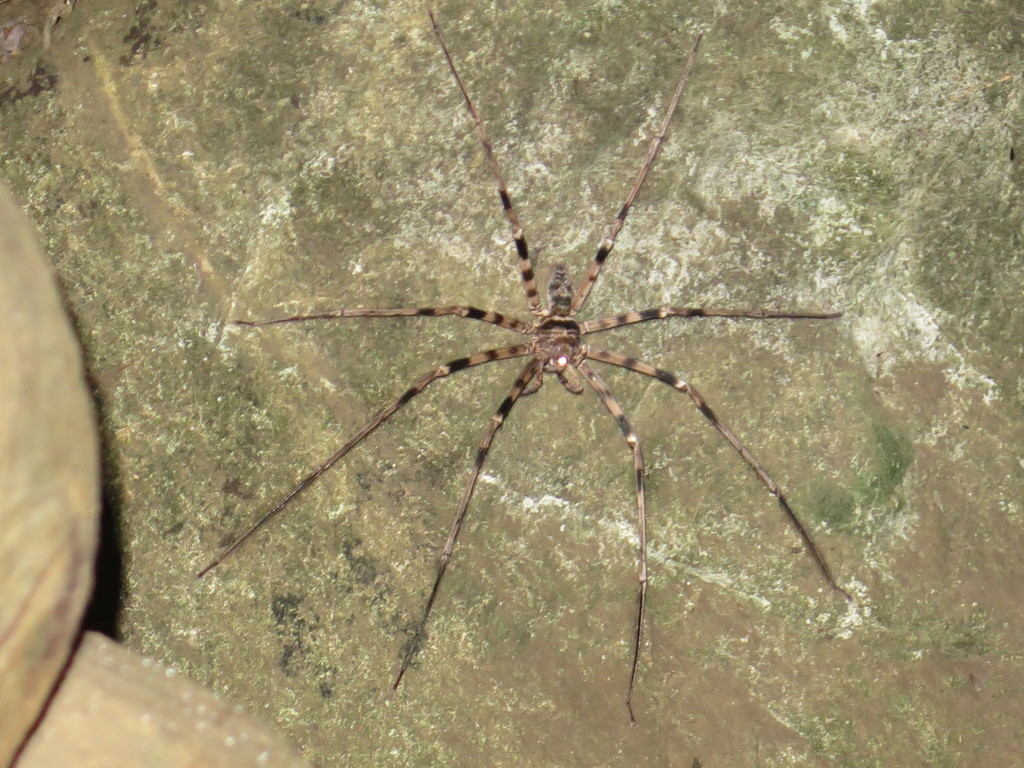
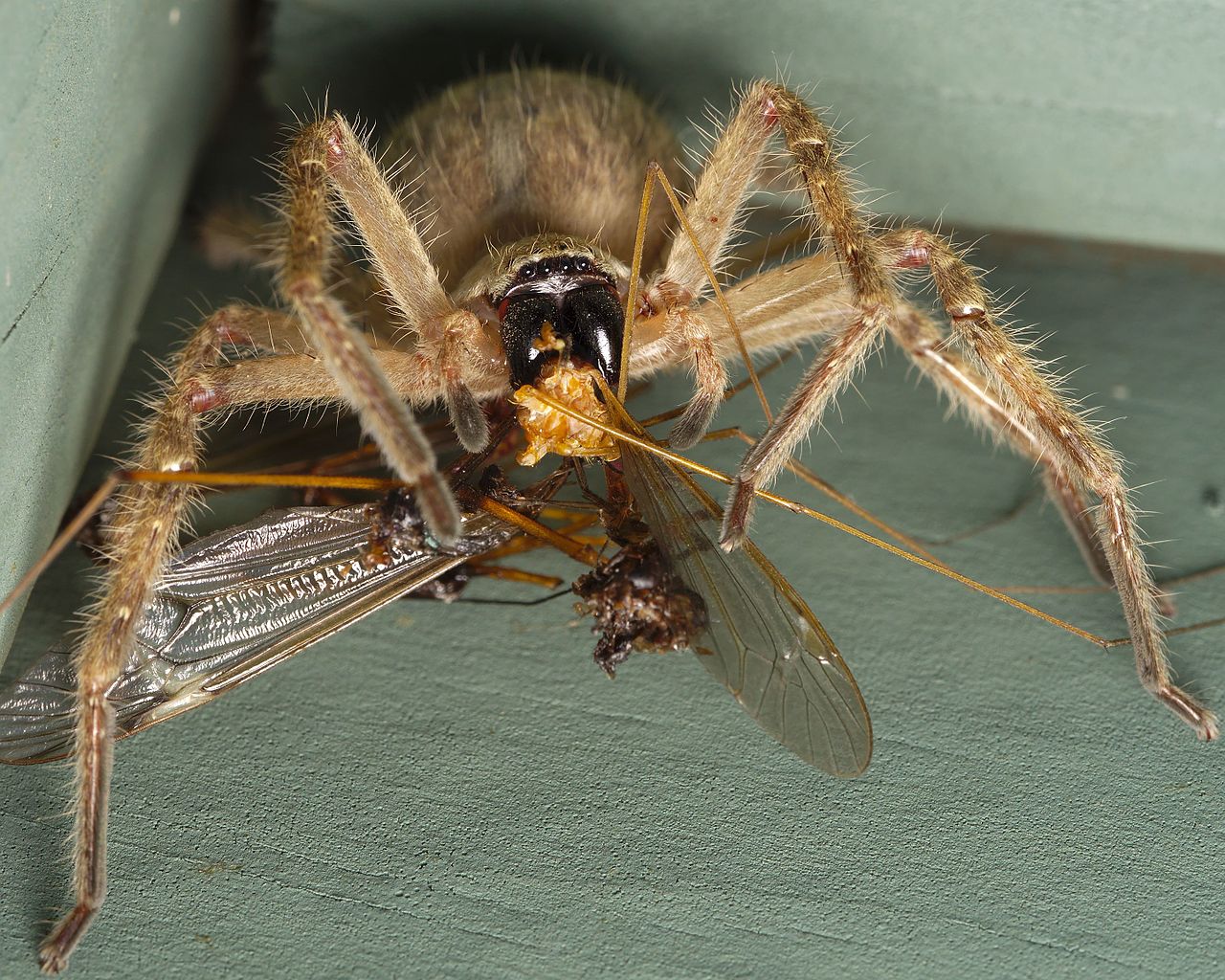
The world’s biggest huntsman spider is truly a sight to behold. With its massive size and distinctive appearance, it is easily recognizable among its arachnid counterparts. This formidable creature belongs to the Heteropoda genus and is known for its impressive leg span that can reach up to a staggering 12 inches (30 centimeters). Its body is covered in fine hairs, giving it a slightly fuzzy appearance, and its legs are long and slender, enabling it to move with incredible speed and agility.
Habitat and Distribution of the World’s Biggest Huntsman Spider
The world’s biggest huntsman spider can be found in various tropical and warm temperate regions around the globe. It is known to inhabit countries such as Australia, Laos, Thailand, and Malaysia, among others. These spiders prefer warm and humid environments, making tropical rainforests and woodland areas their ideal habitats.
The Giant huntsman spider (Heteropoda maxima) is a species of huntsman spider, members of the family Sparassidae. The species is native to the Southeastern Asian country Laos. Known for its agile hunting abilities, the giant huntsman spider also holds the title of the largest known existing spider by leg span, with a leg span reaching up to one foot.
Despite likely being an old species, the giant huntsman spider was only recently discovered in 2001 by entomologist Peter Jaeger. Before their discovery, the previous largest known spider in the Sparassidae family was the Australian Beregama aurea, coming in at around 1.6 inches.
Since their discovery, entomologists have identified a number of spiders in the Sparassidae family similar in size to the giant huntsman spider, many hailing from the Greater Mekong Subregion in Southeast Asia.
Huntsman spiders are often confused for tarantulas as they are large and hairy. Huntsman spiders can be distinguished by the unique orientation of their legs. While most species of spider have legs with joints oriented vertically to the thorax, the legs of the giant huntsman spider curve in front of it, almost like the legs of a crustacean (hence the huntsman spider’s nickname “crab spider”).
Frequently Asked Questions about the World’s Biggest Huntsman Spider
Q: Are huntsman spiders dangerous to humans?
A: Huntsman spiders are generally not dangerous to humans. Their bites are not considered medically significant, and their venom is primarily used to immobilize their prey. However, as with any spider bite, it is advisable to seek medical attention if symptoms persist or worsen.
Q: Can the world’s biggest huntsman spider be kept as a pet?
A: While some individuals may find huntsman spiders fascinating and may consider keeping them as pets, it is important to note that these spiders have specific habitat requirements and may not thrive in captivity. It is best to appreciate them in their natural habitats and leave them undisturbed.
Q: How long do huntsman spiders live?
A: The lifespan of huntsman spiders can vary depending on the species and environmental conditions. On average, they can live for about one to two years, although some individuals may live longer.
Q: Do huntsman spiders build webs?
A: Huntsman spiders do not build webs to capture their prey. They rely on their speed, agility, and keen eyesight to chase down and capture their meals.
Q: Are huntsman spiders found in the United States?
A: Huntsman spiders are not native to the United States. They are primarily found in tropical and warm temperate regions around the world, including countries such as Australia, Laos, Thailand, and Malaysia.
Q: Can huntsman spiders be found in urban areas?
A: Yes, huntsman spiders can occasionally be found in urban areas, especially in regions where their natural habitats overlap with human settlements. They may seek shelter in homes or vehicles, but they are generally harmless and can be safely removed without the need for extermination.
Q: Are huntsman spiders beneficial to the environment?
A: Yes, huntsman spiders are beneficial to the environment. They help control the population of insects and other small invertebrates, acting as natural pest controllers in their respective habitats.
Q: Do huntsman spiders have any predators?
A: Huntsman spiders have a few natural predators, including larger spiders, birds, and reptiles. However, their speed, agility, and ability to hide in various locations help them evade many potential predators.