Unraveling the Lifespan of Jumping Spiders: A Comprehensive Analysis
how long do jumping spiders live
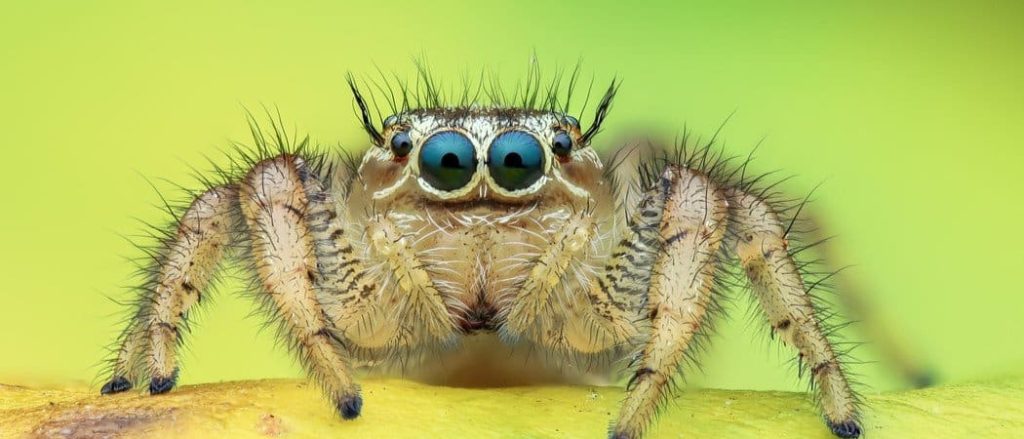
How long Do Jumping Spiders Live? The average jumping spider lifespan is between six months to two years. In captivity, jumping spiders may live up to three years. Female jumping spiders tend to live longer than males.
Jumping spiders, scientifically known as Salticidae, are an intriguing species that captures the curiosity of arachnid enthusiasts and researchers alike. As the largest family of spiders, they comprise over 5,000 species, each with their unique characteristics, behaviors, and lifespans. We delve into the fascinating life journey of these spiders, from the egg stage to adulthood, and explore factors that influence their lifespan.
Identifying Jumping Spiders
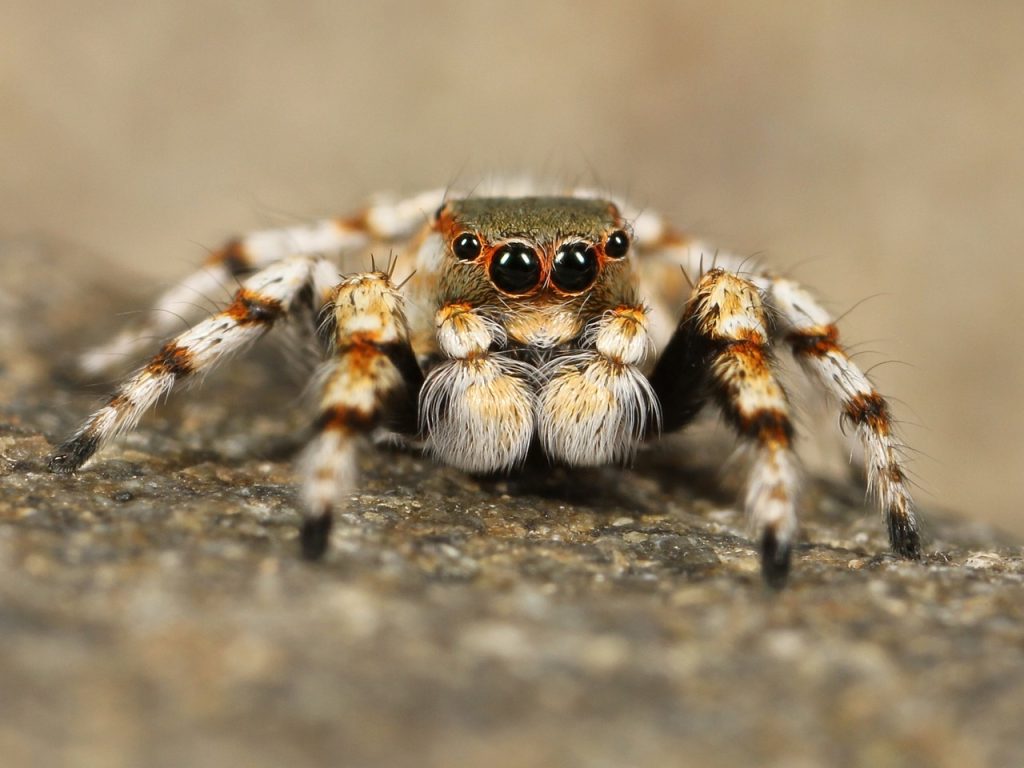
Jumping spiders are a diverse group, displaying a myriad of shapes, sizes, and colors. They inhabit various environments, including forests, deserts, and mountainous regions, with tropical forests being their primary habitat. Their name, “jumping spiders,” originates from their unique ability to leap astounding distances, up to 50 times their body length!
The Common Traits of Jumping Spiders
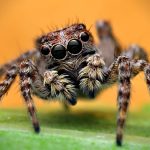
One of the most common shared traits among jumping spiders is their exceptional eyesight. They boast the best vision among all spider species, helping them leap accurately and catch prey. These spiders possess four pairs of eyes, with the primary pair providing detailed and colorful vision. This pair of eyes can move their retinas in various directions without moving their heads, thanks to the muscles directly attached to them.
The Lifespan of Jumping Spiders
The typical lifespan of a jumping spider varies from six months to two years. Under captive conditions, some of them can live up to three years. Factors like the specific species and the spider’s sex significantly influence their lifespan, with females generally outliving males.
Record-Breaking Jumping Spiders
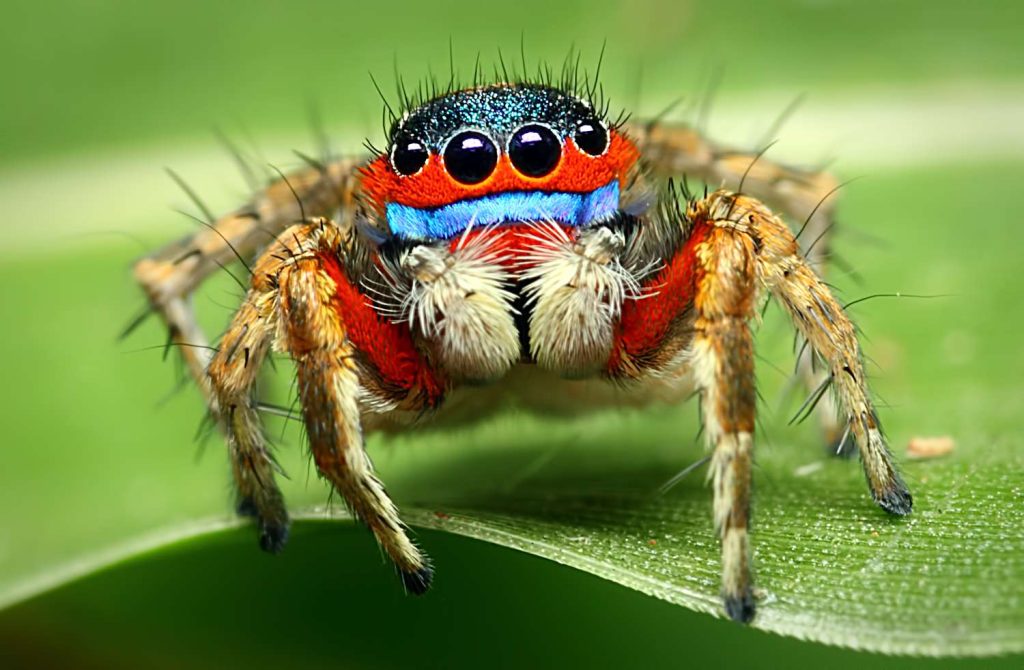
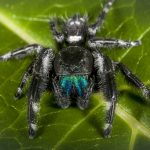
The record for the oldest known jumping spider goes to a female bold jumping spider (Phidippus audax), who lived for three years in captivity. Environmental conditions, particularly temperature and climate, also impact their lifespan. For instance, jumping spiders that endure dormant periods during colder seasons usually have longer lifespans.
The Life Cycle of Jumping Spiders
The life cycle of jumping spiders comprises four key stages: the egg, egg sac, spiderlings, and adult stages.
1. Egg
As part of their reproductive process, female jumping spiders mate and reserve spermatophores, which they later use to fertilize the eggs they lay. The number of eggs a female lays varies by species and can range from a few hundred to thousands.
2. Egg Sac
The female creates a protective silk sac for her eggs, shielding them from potential harm. Some spiders prefer to carry their egg sac until the eggs hatch, while others bury the sac in a secure location.
3. Spiderlings
Once the eggs hatch, the tiny spiderlings emerge. Some walk out of the sac, while others use a unique ballooning process, where they climb onto a twig and release silk threads that allow the wind to carry them away. As they grow, the spiderlings molt multiple times until their final exoskeleton forms.
4. Adult
After undergoing several molting phases, the spiders reach adulthood and are ready to reproduce. As mentioned earlier, female spiders tend to outlive males, often dying shortly after mating.
Factors That Influence a Jumping Spider’s Lifespan
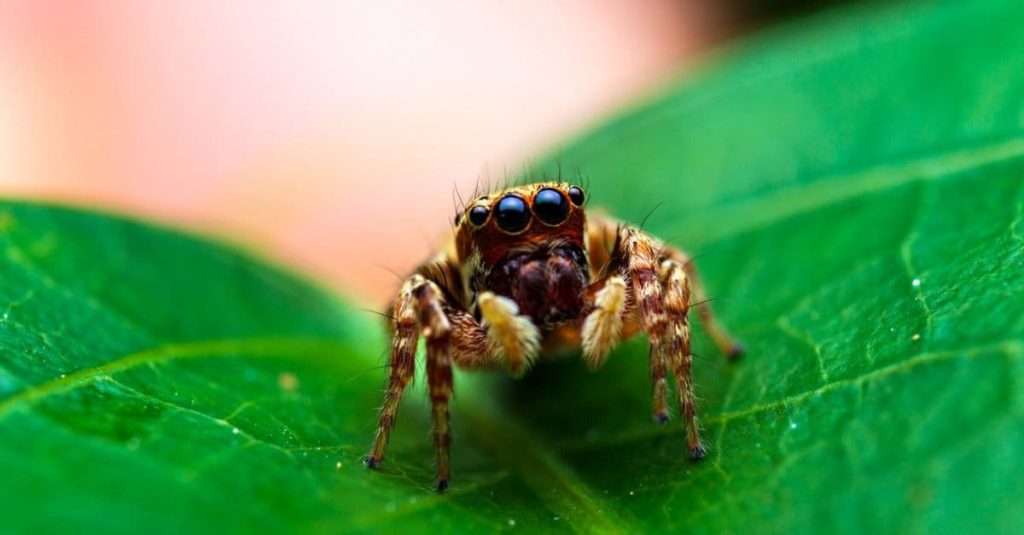
Several key factors can impact a jumping spider’s lifespan, including:
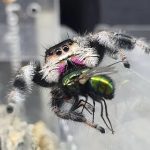
- Predators: Spiders are a significant part of the diet of various animals, including wasps, flies, and lizards. Other spiders, particularly during mating, may also consume their own kind. Female jumping spiders may choose to devour the male if they are unimpressed with his mating display.
- Health: The health of a jumping spider plays a crucial role in determining its lifespan. Spiders can contract diseases, suffer from mite infestations, and even get infected with worms. These health issues can significantly reduce their lifespan.
The Life Cycle of Jumping Spiders: An In-depth Look
Let’s delve deeper into the different stages of a jumping spider’s life.
The Egg Stage
After successful mating, the female jumping spider begins the process of egg-laying. She deposits her eggs into the protective egg sac she has crafted. The eggs are typically laid in late winter or early spring, allowing them to hatch in the warmer spring weather.
The Egg Sac Stage
The egg sac is a vital part of the jumping spider’s life cycle. It is a silk structure created by the female spider to house and protect her eggs from predators. The sac’s size is roughly comparable to a grape, and it can contain up to 300 eggs.
The Spiderling Stage
Once the eggs hatch, the baby jumping spiders, or spiderlings, emerge. They are incredibly small and fragile at this stage. To grow, they undergo a process known as molting, where they shed their old exoskeleton and replace it with a larger one. This molting process occurs multiple times until they reach adulthood.
The Adult Stage
Upon reaching adulthood, jumping spiders are fully grown and capable of fending for themselves. They exhibit a wide range of colors, from darker shades to lighter ones with distinct orange markings. At this stage, they are sexually mature and ready to mate.
The End of Life for Jumping Spiders
Unfortunately, jumping spiders have relatively short lifespans. Most of them die of old age between one and two years. Some may also die during a problematic molt or due to Dyskinetic Syndrome (DKS). Senior jumping spiders gradually become less active, often refusing to eat and facing difficulty climbing.
The Lifespan of Jumping Spiders: A Summary
Jumping spiders are a fascinating species that exhibit unique behaviors and characteristics. Their lifespan, ranging from a few months to three years, is influenced by factors such as species, sex, health, and environmental conditions. Their life cycle, from the egg stage to adulthood, provides a captivating glimpse into the life journey of these remarkable creatures.
While the lifespan of jumping spiders may seem brief compared to other creatures, their unique abilities and behaviors make them a captivating study subject. From their impressive jumping skills to their distinct life cycle stages, these spiders offer a wealth of knowledge and insights into the fascinating world of arachnids.
With this comprehensive look into the lifespan of jumping spiders, we hope to have sparked your curiosity about these extraordinary creatures. Whether you’re an arachnid enthusiast, a budding biologist, or just someone with an insatiable appetite for knowledge, understanding the lifespan of jumping spiders offers a fascinating peek into nature’s marvels.