Is Recluse spider Toxic?
Are you curious about the toxicity of the RECLUSE spider? Look no further. In this article, we will delve into the details of whether these arachnids are venomous and pose a threat to humans. RECLUSE spiders are known for their ability to deliver a potent bite, making them a subject of interest and concern. Understanding their venomous nature is crucial for those living in regions inhabited by these spiders.
Although commonly feared, the actual menace of RECLUSE spider bites may be somewhat overblown. While their bites can indeed be painful and potentially cause tissue damage, severe cases are relatively rare. Nevertheless, it’s essential to identify their presence and take appropriate precautions to minimize the risk of encounters.
Common Misconceptions about RECLUSE Spiders
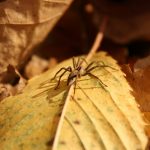
There are several misconceptions surrounding RECLUSE spiders that need to be addressed. One of the most common misconceptions is that these spiders are aggressive and seek out human interaction. In reality, RECLUSE spiders are shy and prefer to hide in undisturbed areas. They only bite when they feel threatened or trapped.
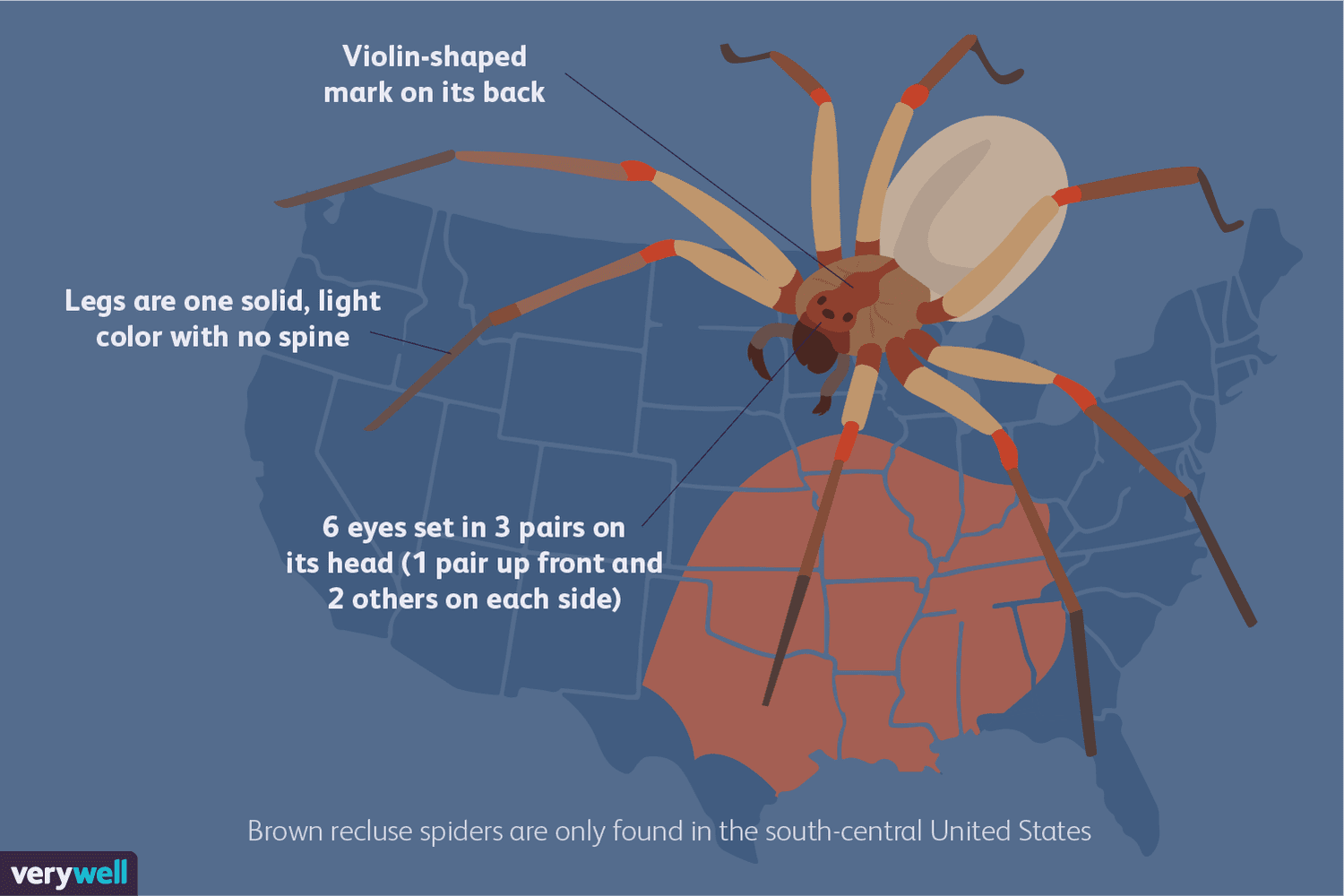
Another misconception is that RECLUSE spiders are found in every corner of the United States. While they are prevalent in certain regions, such as the Midwest and the South, they are not found nationwide. It’s important to understand the geographical distribution of these spiders to accurately assess the risk of encountering them.
Preventing and Controlling RECLUSE Spider Infestations
To minimize the risk of encounters with RECLUSE spiders, it’s essential to take preventive measures. Keeping your home clean and clutter-free is crucial, as these spiders are attracted to dark and secluded areas. Regularly vacuuming and dusting can help eliminate potential hiding spots.
Sealing cracks and gaps in your home’s foundation and walls can also prevent these spiders from entering. Installing screens on windows and doors is another effective way to keep them out. If you suspect a RECLUSE spider infestation, it’s best to consult with a professional pest control company for safe and effective removal.
How to Handle a RECLUSE Spider Encounter
If you come across a RECLUSE spider in your home or outdoor space, it’s important to remain calm. These spiders are not aggressive and will typically retreat when they feel threatened. Avoid touching or attempting to handle the spider, as this increases the risk of a bite.
To safely remove a RECLUSE spider, use a jar or a similar container to capture it. Slide a piece of paper under the container to create a barrier and then release the spider outside, away from your home. If you’re unsure about handling the spider yourself, it’s best to contact a professional for assistance.
What should I do if I was bitten?
Brown Recluse Spider Bites
The Bottom Line
Brown recluse spiders are rarely seen or identified. A brown recluse bite often is not felt when it happens. The complex venom causes injury and death (necrosis) of the surrounding tissues. In severe cases, the venom can damage deeper tissues. Serious illness and death are rare. There is no antidote; treatment includes treating the wound and preventing infection.
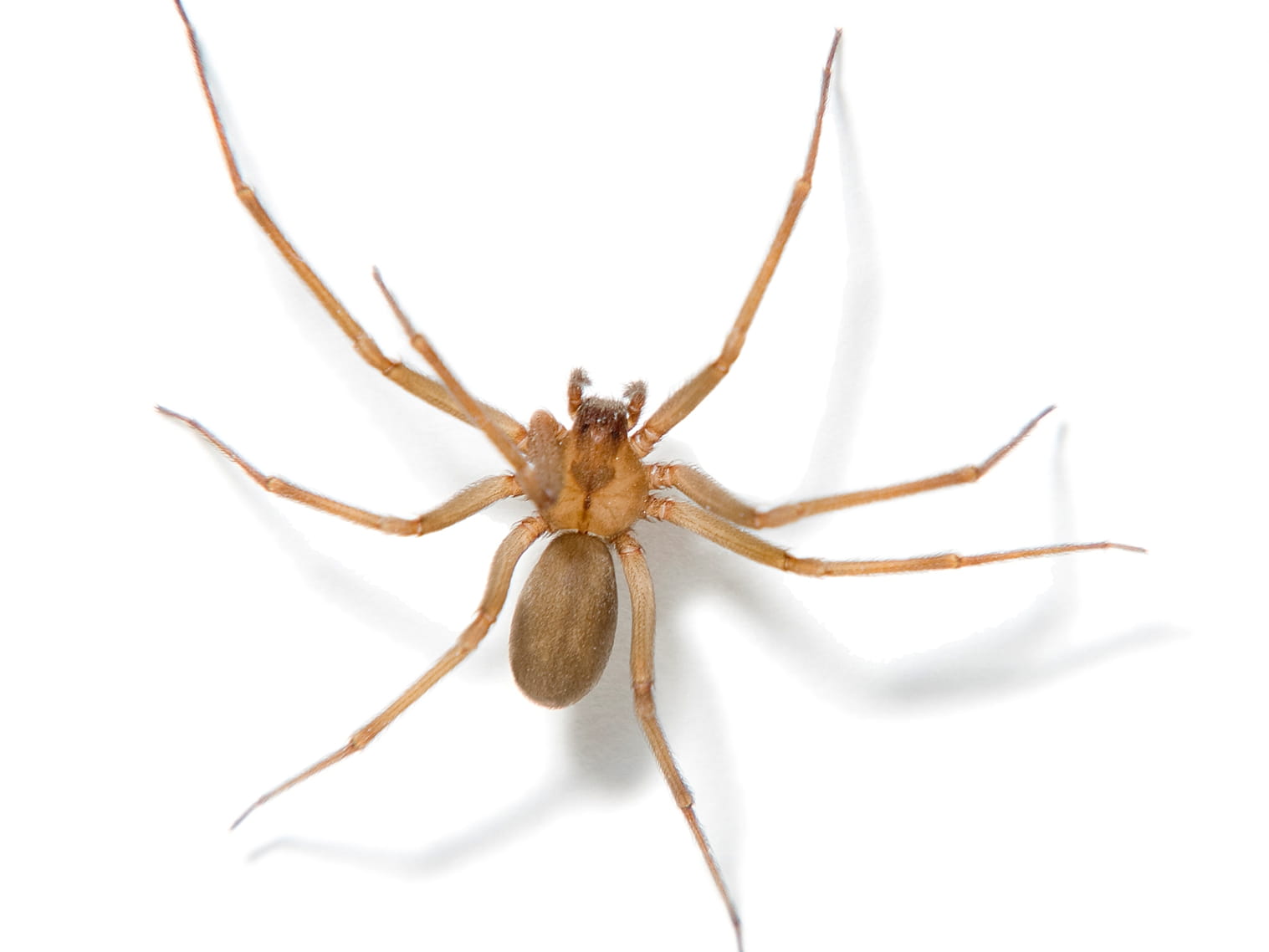
What does a brown recluse spider look like?
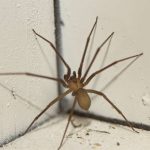
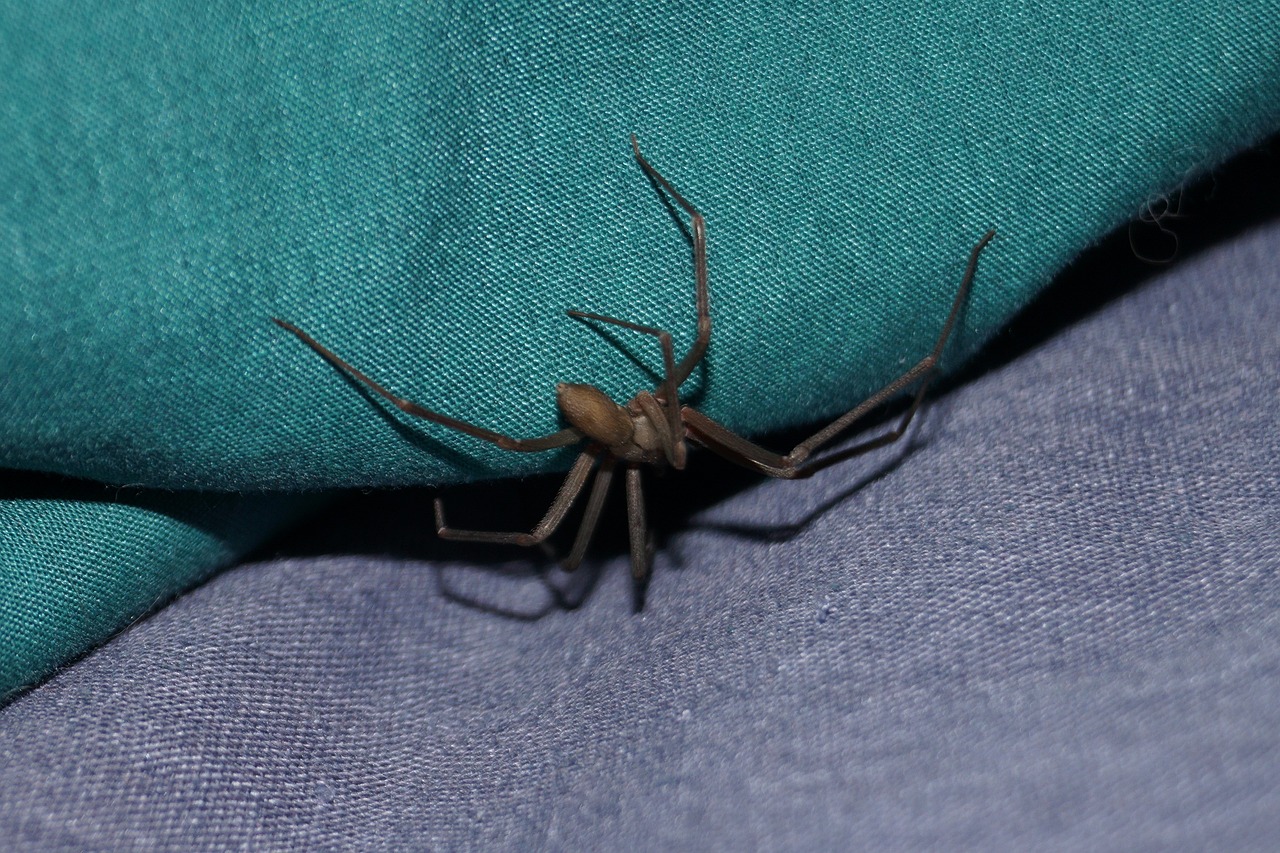
The brown recluse spider is recognized by the unique violin-shaped marking on its back, with the neck of the violin pointing towards the rear of the body. As its name suggests, the spider is tan to brown in color. The violin-shaped marking is a darker brown. There are no other markings, such as stripes or bands, on the rest of its body or legs. Although the violin-shaped marking is easy to identify, the most unique feature of the brown recluse spider is its eyes. While most spiders have eight eyes, the brown recluse has six eyes arranged in three pairs in a semi-circular row.
How big is a brown recluse spider?
An adult recluse can be as big as a United States quarter, including its legs.
What are the symptoms of a brown recluse spider bite?
Brown recluse spider bites don’t always hurt right away. In fact, you may not know that you have been bitten until other symptoms appear. Symptoms of a brown recluse spider bite include:
- Reddened skin that may be followed by a blister that forms at the bite site.
- Mild to intense pain and itching for 2 to 8 hours following the bite.
- An open sore (ulcer) with a breakdown of tissue (necrosis) that develops a week or more following the bite. This may take months to heal.
Some people have a severe, systemic (whole-body) reaction to brown recluse spider bites, including the rapid destruction of red blood cells and anemia (hemolytic anemia). Signs and symptoms include:
- Fever and chills.
- Skin rash all over the body with many tiny, flat purple and red spots.
- Nausea or vomiting.
- Joint pain.
What should you do if you think you’ve been bitten by a brown recluse spider?
- Remain calm.Try to stay relaxed.
- Cool the bitten area.Apply a cool, wet cloth to the bite, or cover the bite with a cloth and apply an ice bag.
- Do not apply a tourniquet.A tourniquet may cause more harm than benefit.
- Identify the spider.Try to positively identify the spider, or try to take a picture of it.
A brown recluse bite can be serious and may require immediate medical care if you have severe symptoms throughout your body. Call your doctor if an open sore and necrosis develop. Necrosis is black, dead tissue.
How is it diagnosed?
A brown recluse spider bite is diagnosed through a physical examination and questions about the bite. You should be prepared to describe the spider, where and when the bite took place, and what you were doing at the time. (If you are able to safely capture and transport the spider, bring it with you to show your doctor.) Your doctor will ask what your main symptoms are, when they began, and how they have developed, progressed, or changed since the bite.
How is a brown recluse spider bite treated?
Treatment depends on how severe the bite is. For bites that:
- Do not develop open sores, treatment includes applying a cold compress, elevating the bite area, and avoiding moving the bite area.
- Cause an open sore (ulcer) and dead skin (necrosis), treatment includes removing the dead skin from the sore. This may involve follow-up and replacing the dead skin with new skin (skin grafts).
Hyperbaric oxygen therapy may also be used for tissue damage from a spider bite.
Medicines that may be used include:
- Pain medicine, such as acetaminophen (Tylenol) or nonsteroidal anti-inflammatory drugs (NSAIDs). NSAIDs include naproxen (Aleve) and ibuprofen (Advil, Motrin). Be safe with medicines. Read and follow all instructions on the label.Do not give aspirin to anyone younger than 20 because of the risk of Reye syndrome.
- Antihistamines to help relieve itching.
- Antibiotics, if an infection is present.
Medicine to counteract brown recluse spider venom is not available in the United States or Canada.
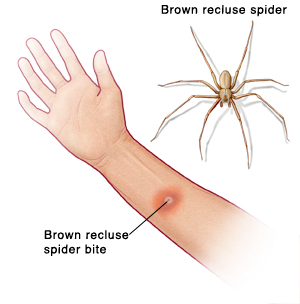
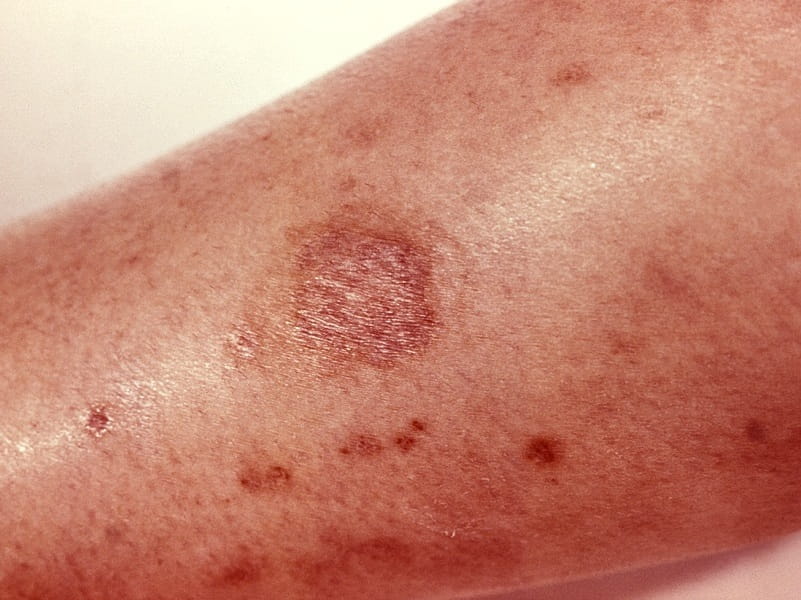
What does a brown recluse spider bite look like?
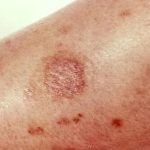
The victim may not feel or notice a brown recluse spider bite when it occurs. At first, the bite site may appear like any other insect bite – a little red, itchy, and inflamed. Over the course of a few days, severe symptoms may develop as the venom destroys the surrounding tissues, and a blister may form. The wound may get larger, more painful, and darker in color. Necrosis or tissue death is identified when the tissue develops an ulcer, becomes black in color, and forms a crust that eventually falls off. The venom can penetrate deeper in the tissues, sometimes affecting the fat and muscles. The wound can quickly and easily allow an infection to set in, worsening the wound-healing process. The infection as well as the venom can also spread to the rest of the body and possibly become life-threatening. Often, the bite of a brown recluse spider leaves a crater-like scar, even after it has healed completely. In addition to the wound, a brown recluse bite victim may develop a fever, chills, and nausea.
It is very difficult to diagnose a brown recluse bite unless the victim felt the bite and saw and correctly identified the culprit. Many other conditions can mimic the bite of a brown recluse spider: bacterial, viral or fungal infections; other insect bites; and medical conditions that affect blood circulation. An educated guess can often be made based on a careful history obtained from the patient.
while RECLUSE spiders are venomous and capable of delivering a painful bite, severe cases are relatively rare. By understanding their habits, taking preventive measures, and knowing how to handle encounters, you can minimize the risk of harm. It’s important to seek medical attention if you suspect you’ve been bitten by a RECLUSE spider, as prompt treatment can help prevent complications. Remember to always exercise caution when dealing with spiders and educate yourself about the potential dangers they pose.